Amelia Earhart's Solo Flight from Hawaii to California - January 11, 1935
1935 · Honolulu, United States
Amelia Earhart became the first person to fly solo from Hawaii to California.
June 17, 1928
Amelia Earhart became the first woman to fly across the Atlantic Ocean as a passenger.
Burry Port, United Kingdom | None
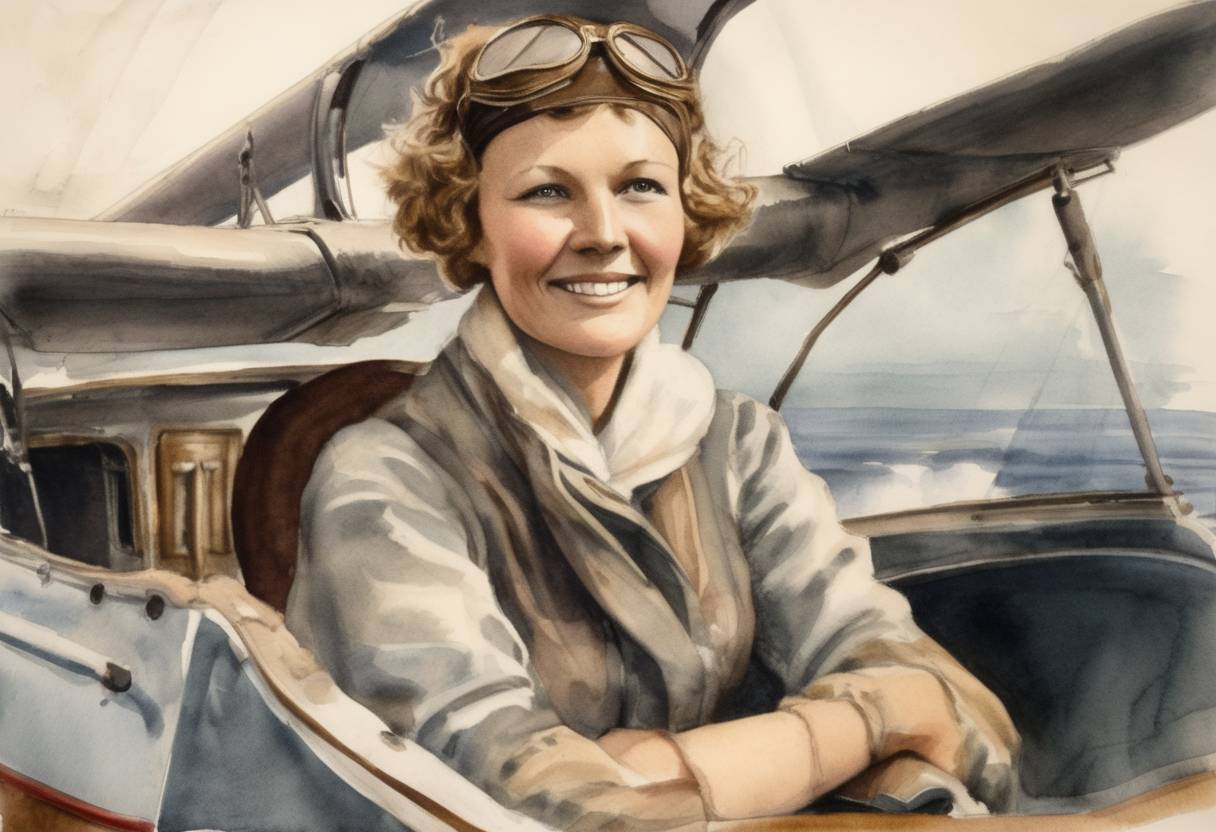
On June 17, 1928, Amelia Earhart became the first woman to fly across the Atlantic Ocean as a passenger, marking a significant milestone in aviation history and women’s involvement in the field. This groundbreaking flight showcased the expanding possibilities of air travel and helped Earhart gain international recognition.
Preceding the Flight: This achievement came nearly a year after Charles Lindbergh’s solo transatlantic flight, which took place on May 20-21, 1927. Lindbergh’s success had sparked increased interest and investment in aviation.
Role and Impact: Although Earhart participated as a passenger and not as the pilot—a fact she readily acknowledged—her involvement was instrumental in challenging gender norms and paved the way for future women aviators.
Post-Flight Recognition: Upon her return to the United States, Earhart was celebrated for her courage and was quickly dubbed “Lady Lindy,” highlighting her growing influence as a public figure. The flight bolstered her reputation and inspired her to pursue further aviation achievements.
Further Achievements: Earhart would go on to accomplish numerous other aviation feats, including becoming the first woman to fly solo nonstop across the Atlantic Ocean in 1932.
Historical Impact: This flight was a turning point, encouraging more women to take up flying and consider careers in aviation. Earhart’s legacy continues to inspire, symbolizing perseverance and the breaking of barriers in traditionally male-dominated fields.
Source: www.history.com