Apple Inc. Announces the iPad - January 27, 2010
2010 · San Francisco, United States
Apple Inc. announces the iPad, a revolutionary tablet computer that would go on to influence the design and functionality of mobile devices.
January 9, 2007
Apple Inc. CEO Steve Jobs unveiled the first iPhone at the Macworld convention, marking a significant milestone in mobile technology.
San Francisco, United States | Apple Inc.
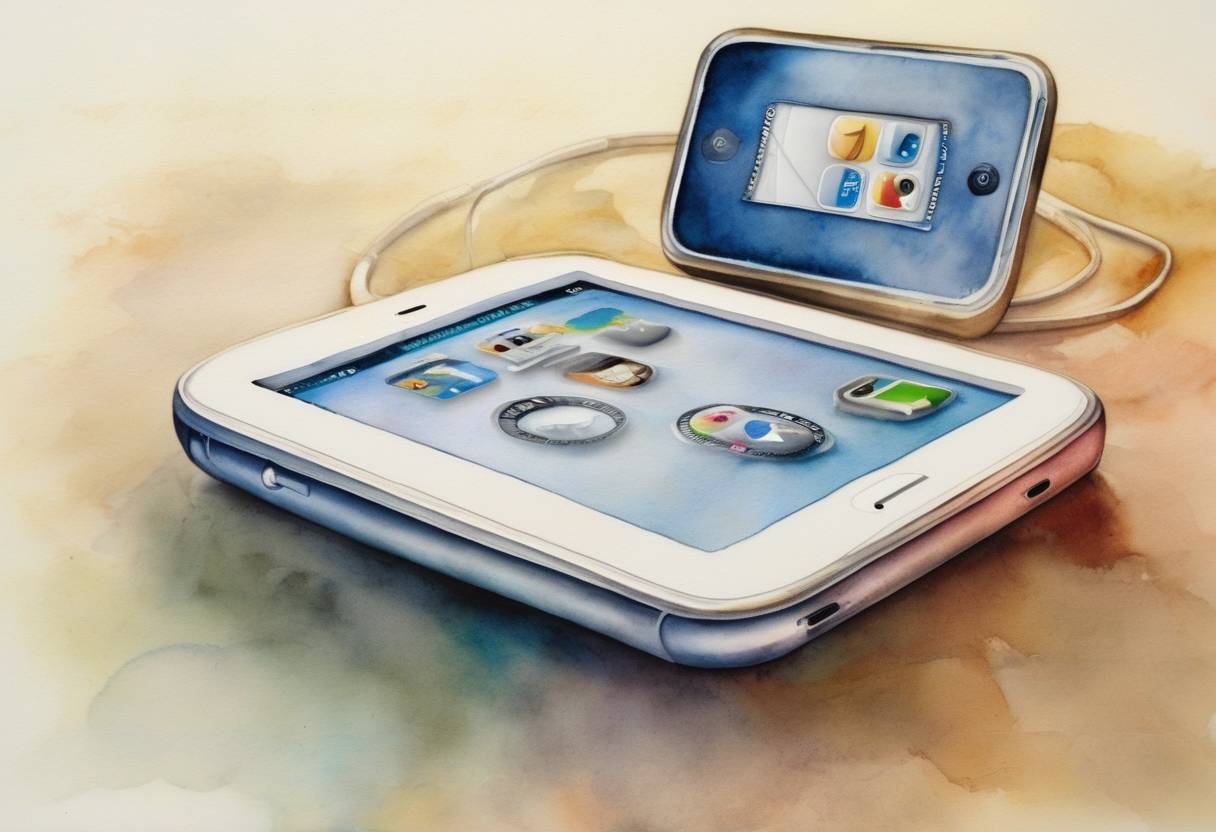
On January 9, 2007, Steve Jobs, the co-founder and then-CEO of Apple Inc., took the stage at the Macworld convention in San Francisco to unveil the first iPhone. This event marked a pivotal moment in the history of mobile technology and consumer electronics.
Before the iPhone’s introduction, the mobile phone market was dominated by companies like Nokia, BlackBerry, and Motorola. These devices primarily focused on voice communication, with limited internet capabilities and user interfaces that were often cumbersome. Apple, known for its innovation in personal computing and portable media players, aimed to revolutionize the mobile phone industry by integrating advanced technology with user-friendly design.
During his presentation, Steve Jobs described the iPhone as a combination of three devices: a revolutionary mobile phone, a widescreen iPod with touch controls, and a breakthrough internet communications device. The key features of the first iPhone included:
The introduction of the iPhone had a profound impact on the mobile phone industry and beyond:
Following the iPhone’s release in June 2007, it quickly gained popularity, selling over six million units by the time its successor, the iPhone 3G, was launched in 2008. The iPhone’s success solidified Apple’s reputation as a leader in innovation and design, and it continues to be a major player in the global smartphone market.
The unveiling of the first iPhone is often regarded as a watershed moment in technology history, demonstrating the power of visionary leadership and the potential of integrating technology with everyday life.
Source: www.apple.com