In History, Today on October 4

Today we explore events from the year 1582 to the year 2017. Events span the globe, from the countries of Italy, Kazakhstan, United States, Russia, Haiti, Mexico, Belgium, France, n/a, Sweden.

1582

Rome, Italy

The Gregorian calendar was adopted by Pope Gregory XIII, replacing the Julian calendar. This day was followed by October 15, 1582, in countries that adopted the new calendar immediately.

1824

Mexico City, Mexico

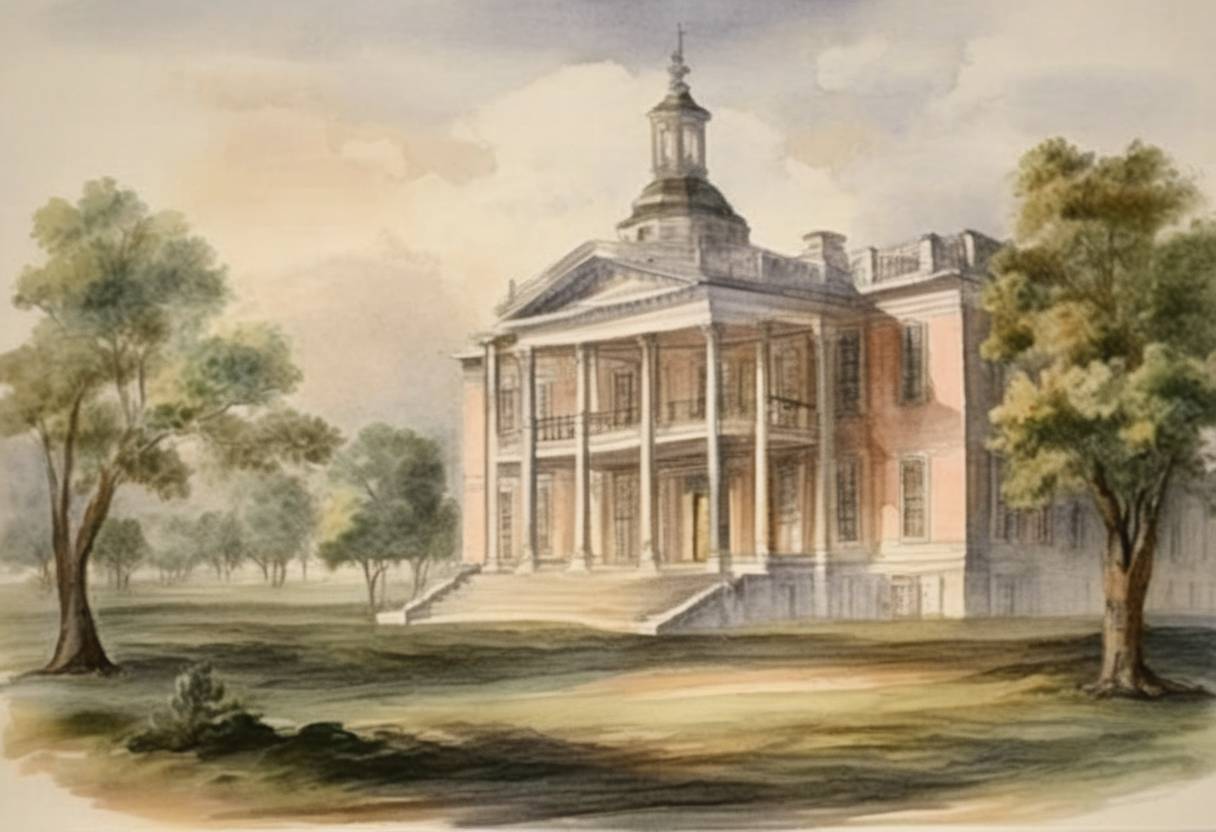
Mexico adopted a new constitution and became a federal republic, officially known as the United Mexican States.

1830

Brussels, Belgium

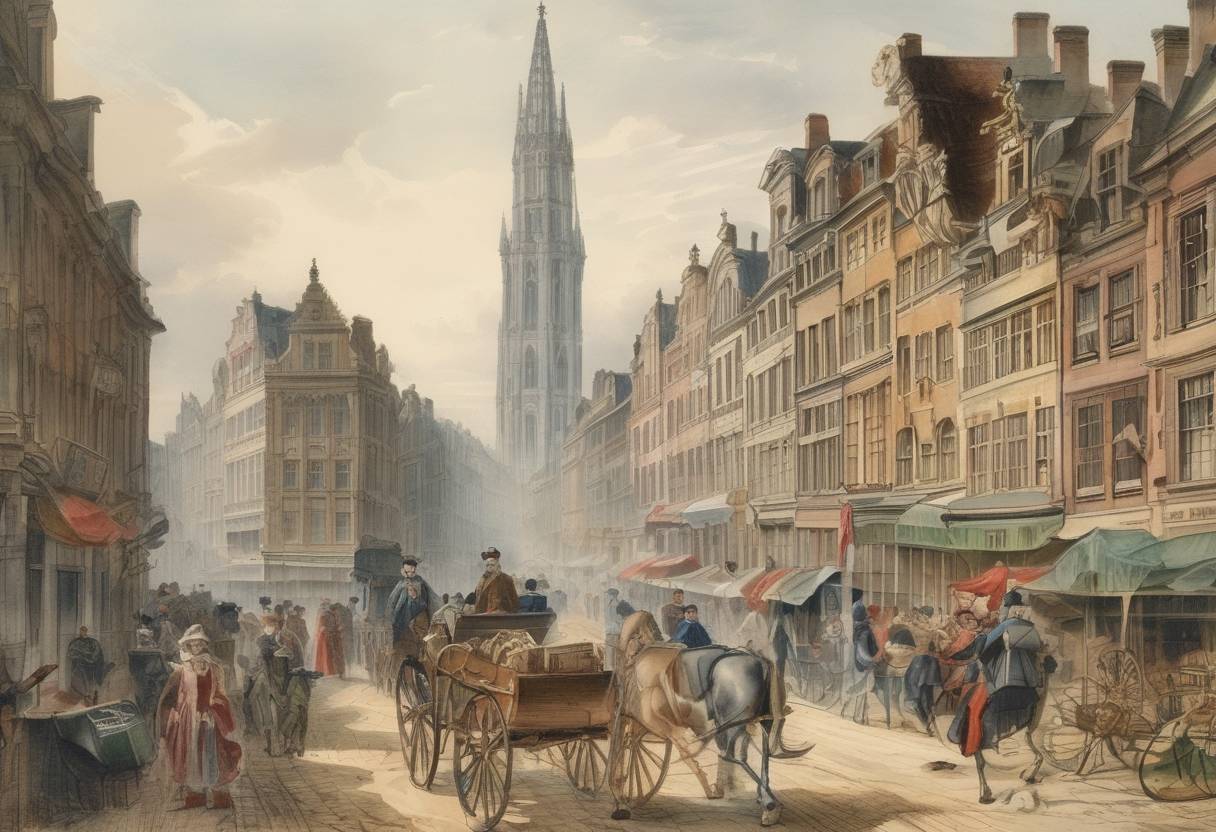
The Kingdom of Belgium was established after the Belgian Revolution, which led to its independence from the Netherlands.

1883

Paris, France

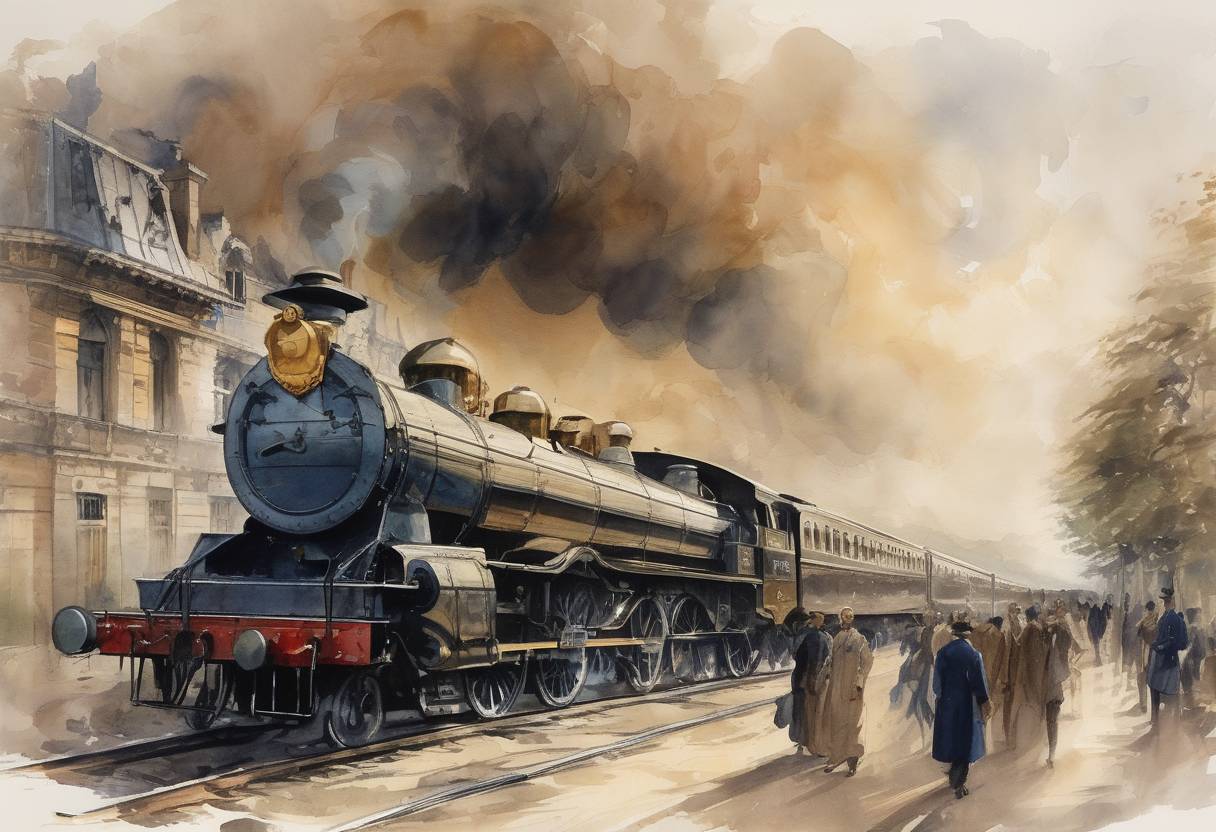
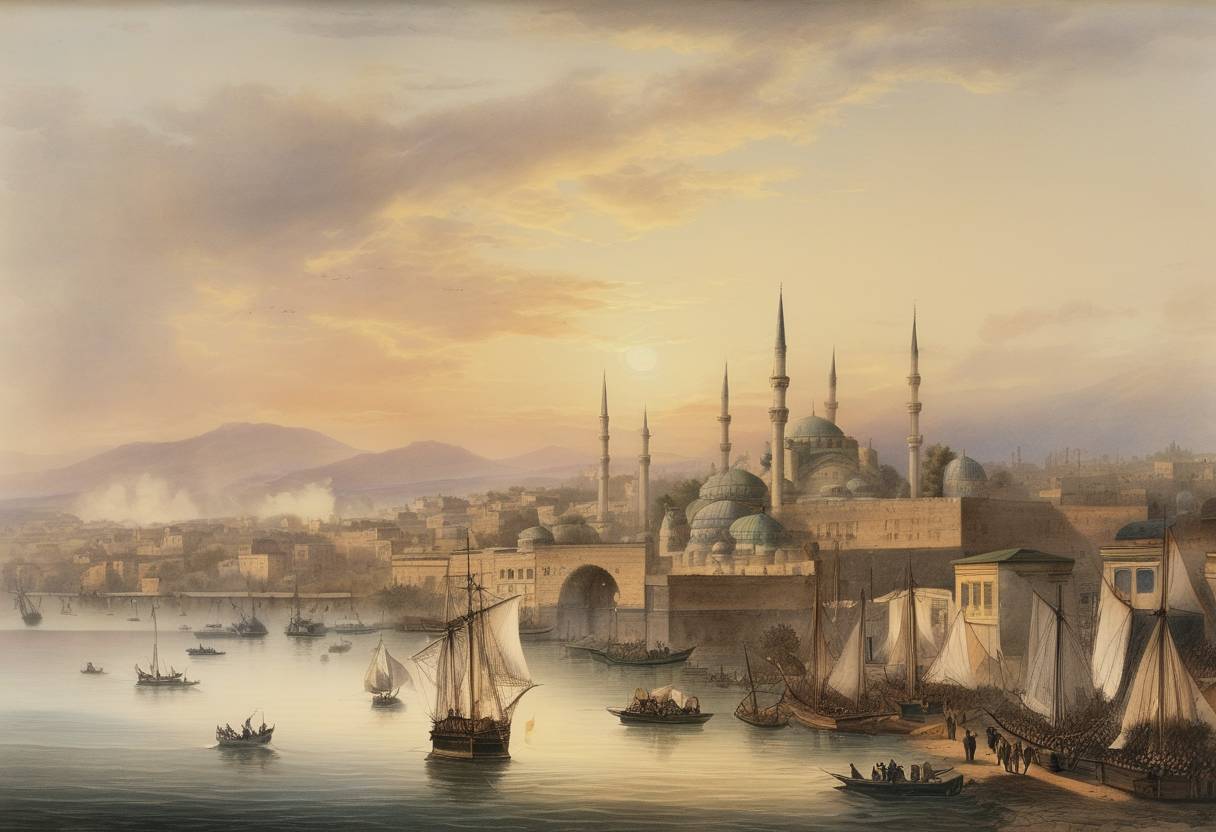
The Orient Express made its inaugural journey from Paris to Istanbul, marking the beginning of a new era in luxury train travel.

Ad

1957

Baikonur, Kazakhstan

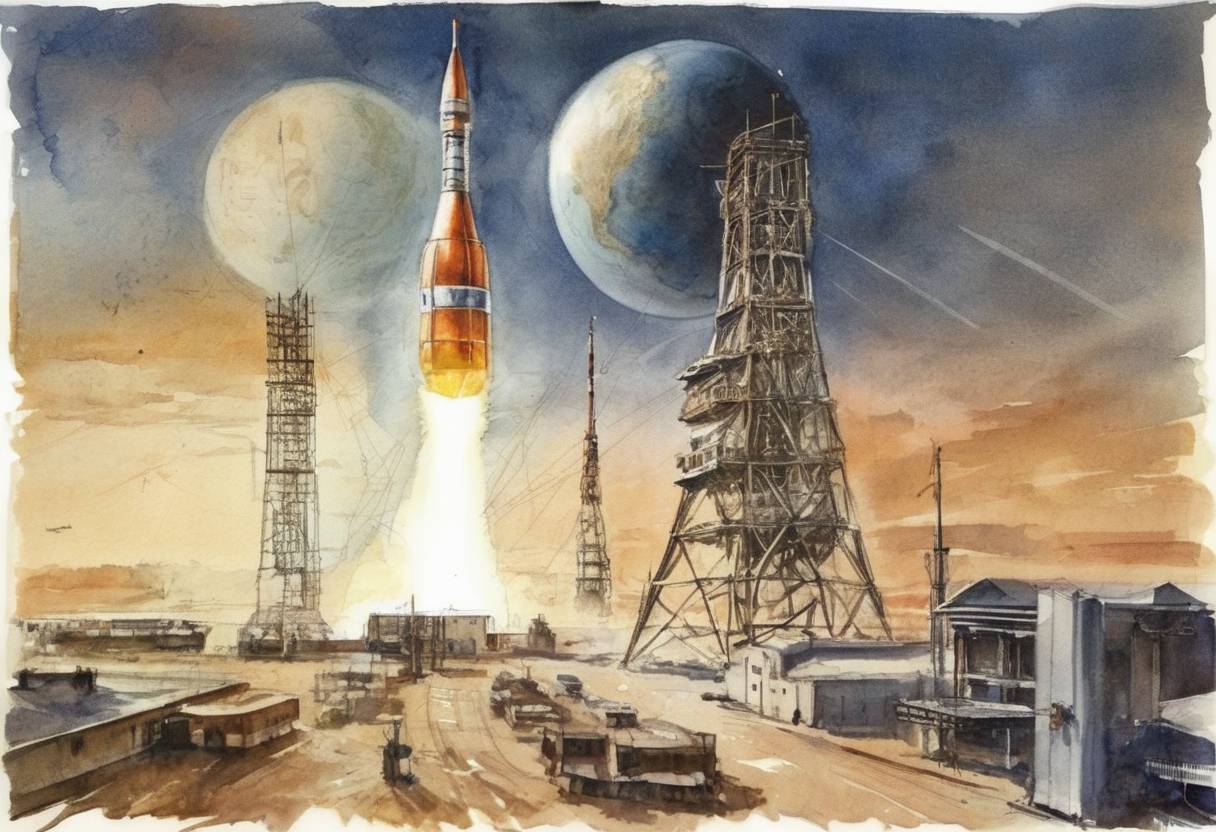
The Soviet Union launched Sputnik 1, the first artificial Earth satellite, marking the start of the space age and the U.S.-Soviet space race.

1965

New York City, United States

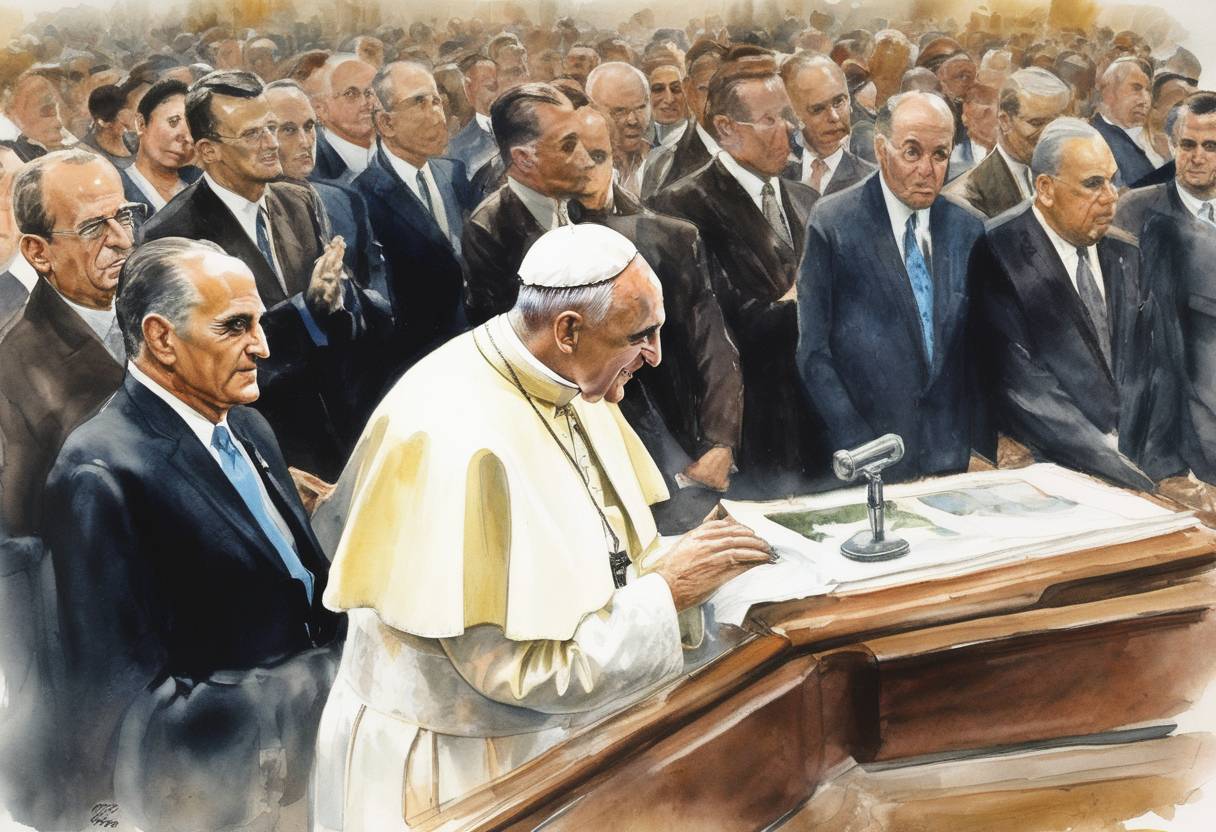
Pope Paul VI became the first pope to visit the United States, addressing the United Nations General Assembly in New York City.

1993

Moscow, Russia

Russian President Boris Yeltsin ordered the storming of the Russian parliament building, ending a constitutional crisis and a standoff with hardline lawmakers.

2004

Mojave, United States

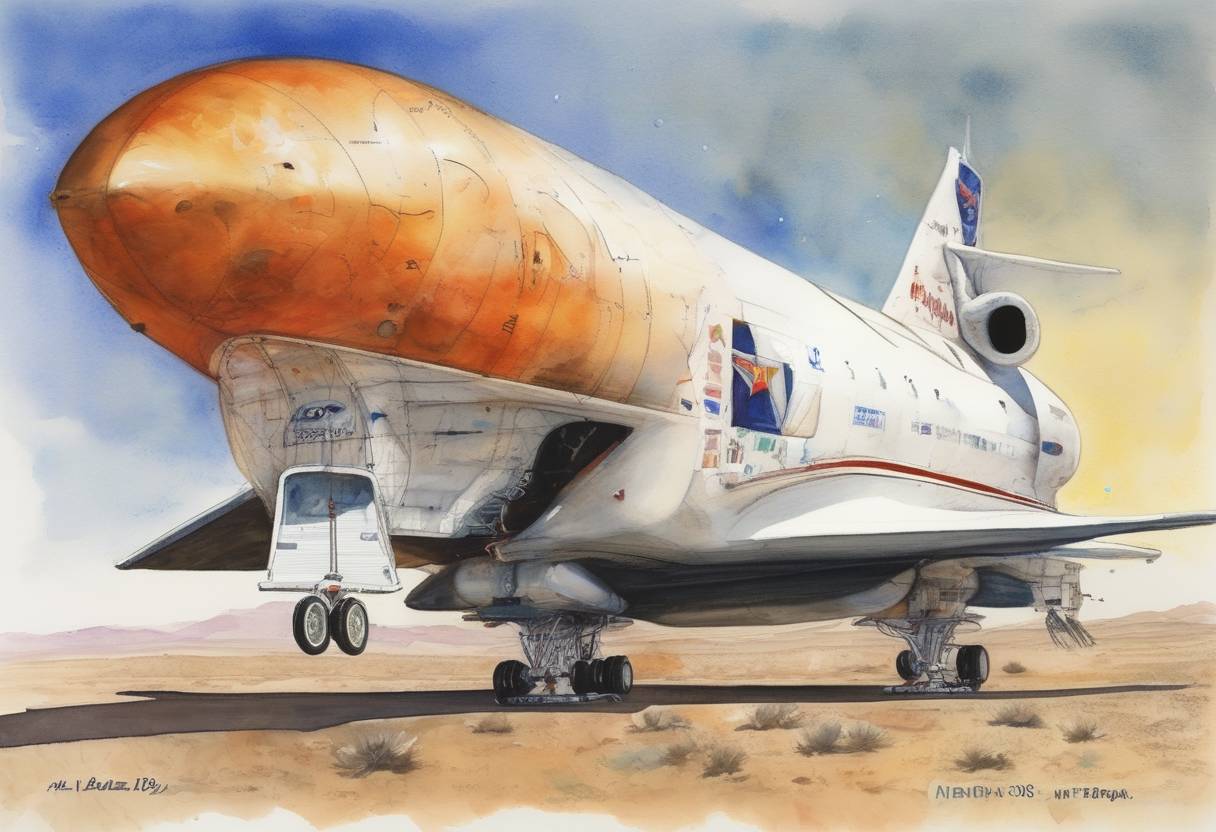
SpaceShipOne wins the Ansari X Prize by becoming the first privately built spacecraft to fly to space twice within two weeks.

2006

n/a, n/a

WikiLeaks is launched, aiming to publish news leaks and classified media provided by anonymous sources.

Ad

2011

Cupertino, United States

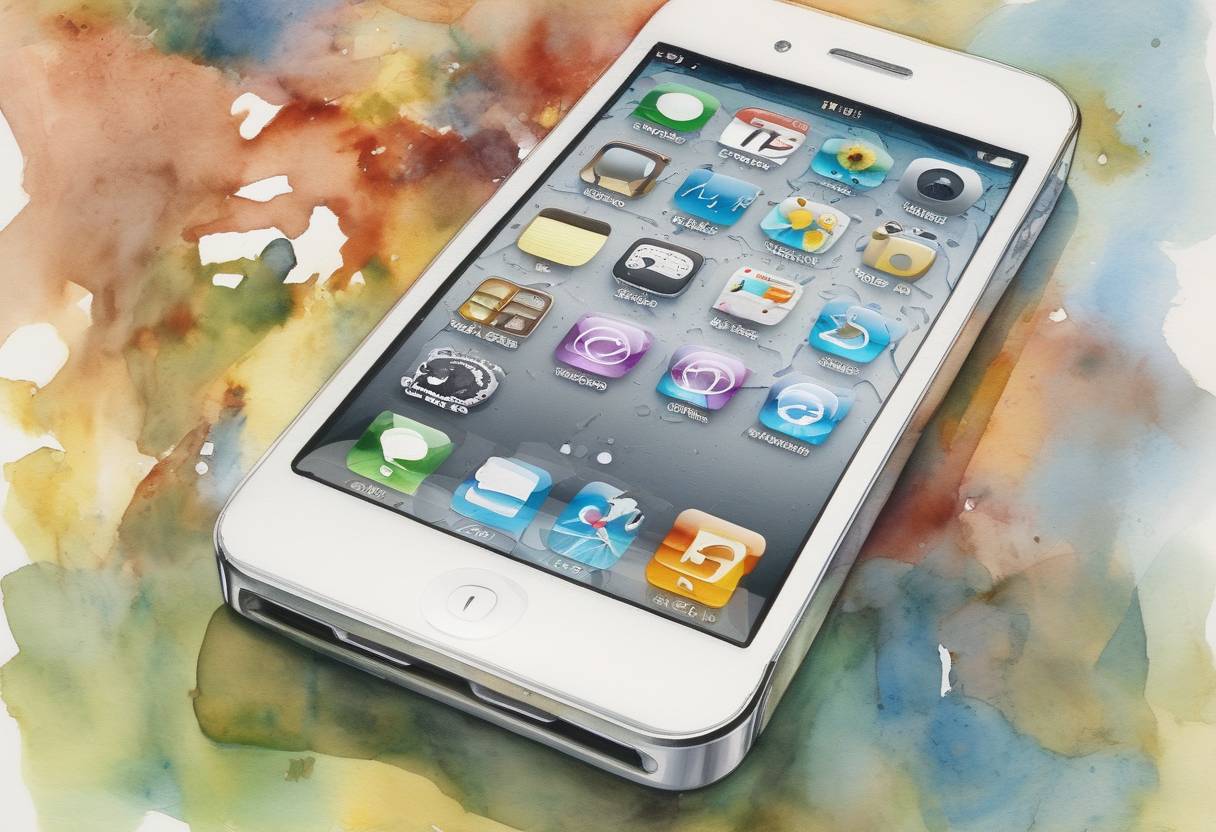
Apple Inc. announces the iPhone 4S, featuring the introduction of Siri, a voice-activated personal assistant.

2016

n/a, Haiti

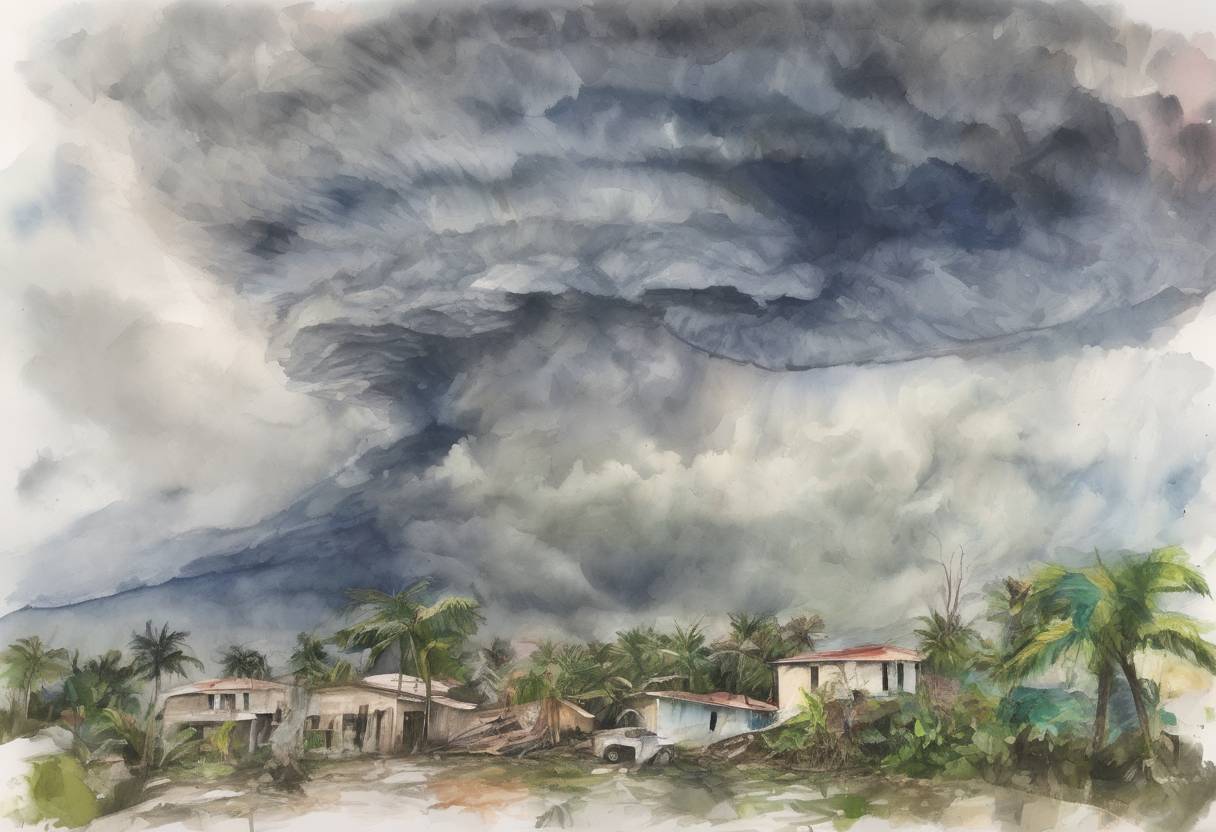
Hurricane Matthew makes landfall in Haiti as a Category 4 hurricane, causing widespread devastation and loss of life.

2017

Stockholm, Sweden

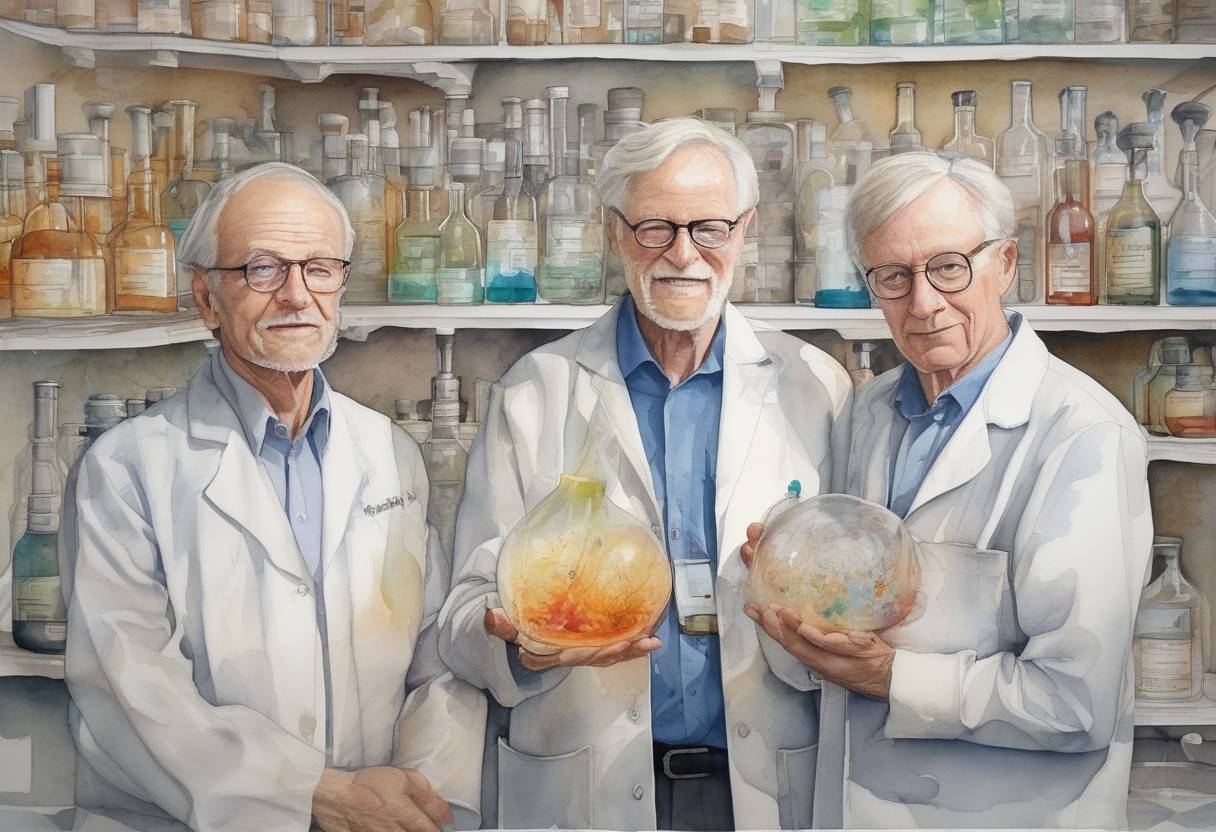
The Nobel Prize in Chemistry is awarded to Jacques Dubochet, Joachim Frank, and Richard Henderson for developing cryo-electron microscopy.