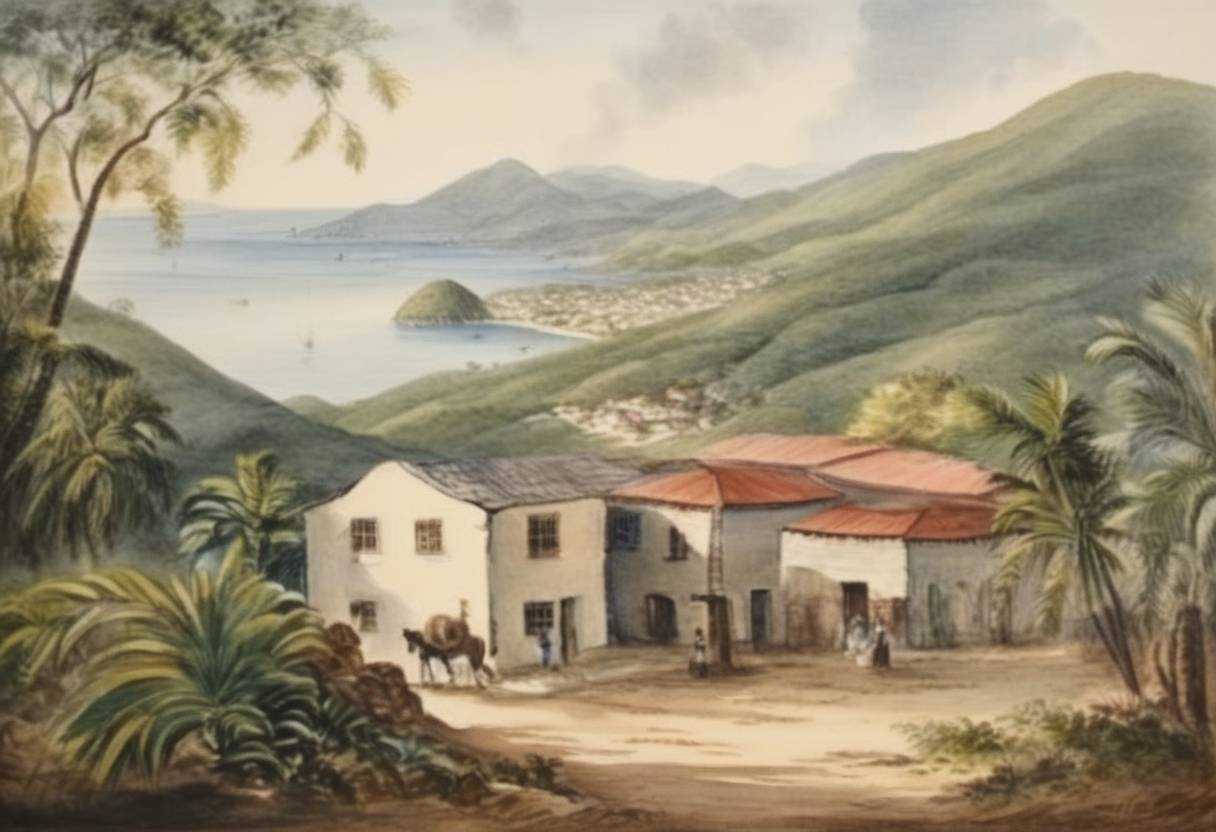
Abolition of Slavery in the Danish West Indies: June 2, 1848
On June 2, 1848, a significant advancement in the abolition movement occurred with the abolition of slavery in the Danish West Indies, contemporary U.S. Virgin Islands. This marked a profound transformation in the Caribbean, with robust effects on the colony’s society and economy.
Historical Context
The Danish West Indies, comprised of the islands of Saint Thomas, Saint John, and Saint Croix, were significant sites for plantations largely dependent on enslaved African labor for sugar production. By the 19th century, movements against slavery gained momentum worldwide, influenced by economic shifts, humanitarian arguments, and slave resistance.
Lead-Up to Abolition
Previously, in 1847, Denmark had announced a gradual plan to abolish slavery over 12 years. However, unrest among the islands’ enslaved population grew. The inspiration drawn from nearby successful rebellions, alongside deteriorating conditions under the enslaver’s rule, heightened tensions, and demands for immediate freedom became more assertive.
Events of June 2, 1848
On June 2, 1848, an extraordinary series of actions on Saint Croix accelerated the timeline for abolition. Led by figures such as John Gottliff (known as General Buddhoe), the enslaved laborers gathered at Fort Fredrik in Frederiksted, effectively initiating a protest that proved pivotal. This assembly of thousands pressured Governor-General Peter von Scholten to declare the immediate emancipation of all enslaved people, stating, “All unfree in the Danish West Indies are from today free.”
Aftermath and Historical Significance
The sudden abolition had immediate and long-lasting effects. The socio-economic structures of the islands underwent vast changes as formerly enslaved individuals navigated freedom in a still economically challenging and racially stratified environment. The swift resolution in the Danish West Indies also influenced broader abolitionist movements across other colonial possessions worldwide.
This milestone in 1848 for the Danish West Indies serves as a crucial part of both Caribbean and global history, underscoring the power of collective action against oppression and the complex transitions societies face following the end of institutionalized slavery.