Vitellius Proclaimed Roman Emperor: April 17, 69 AD
69 · Cologne, Roman Empire
Vitellius is proclaimed Roman Emperor by the legions in Germania Superior, marking a significant event in the Year of the Four Emperors.
January 2, 0069
The Roman legions in Germania Superior refused to swear loyalty to Emperor Galba, marking the beginning of the Year of the Four Emperors.
Cologne (Colonia Claudia Ara Agrippinensium), Roman Empire (Present-day Germany) | Roman Empire
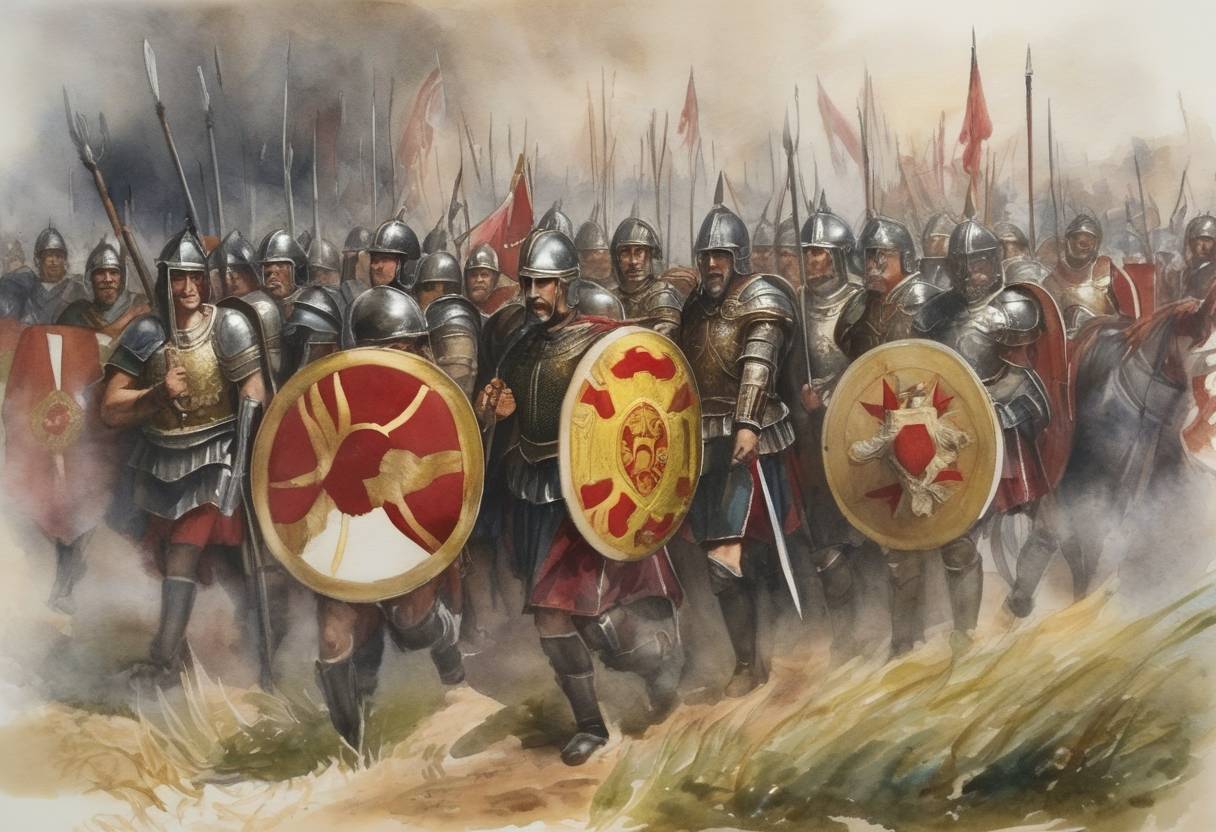
On January 2, 69 CE, a pivotal moment unfolded within the Roman Empire as the legions stationed in Germania Superior openly refused to swear allegiance to Emperor Galba. This act of defiance marked the beginning of a tumultuous period in Roman history known as the Year of the Four Emperors.
Emperor Galba ascended to the Roman throne following the death of Nero in 68 CE. His reign began with high expectations, but his administration soon became unpopular due to his austere financial policies and lack of support among the military. Galba’s decision to not reward the Praetorian Guard and certain legions for their role in his rise to power further fueled discontentment.
The legions in Germania Superior were already disenchanted with Galba due to his seeming neglect of their demands for bonuses and recognition. On January 2, when a formal oath of loyalty to Galba was expected, the legions instead declared their allegiance to their governor, Aulus Vitellius. This marked the first significant break from Galba’s rule and set in motion a series of events that would lead to civil war.
The insurrection by the legions in Germania Superior was the catalyst for the Year of the Four Emperors, a period of civil strife that saw multiple claimants to the imperial throne. Following Galba’s assassination just days later, his successors, including Otho and Vitellius, would vie for control. Vitellius was proclaimed emperor by his troops, leading to a brutal conflict that witnessed rapid power shifts and significant bloodshed across the empire.
This year-long crisis underscored the fragility of Roman imperial authority and the critical role of military allegiance in maintaining or disrupting political power. It concluded with the rise of Vespasian, founder of the Flavian dynasty, who eventually restored stability to the empire.
The event on January 2, 69 CE, remains a significant illustration of military influence in Roman politics and a precursor to the instability that often plagued imperial succession.
Source: en.wikipedia.org