Establishment of the United States Library of Congress
1800 · Washington, D.C., United States
The United States Library of Congress is established by an act of Congress.
March 3, 1791
The United States Congress passes a resolution creating the U.S. Mint.
Philadelphia, United States | United States Congress
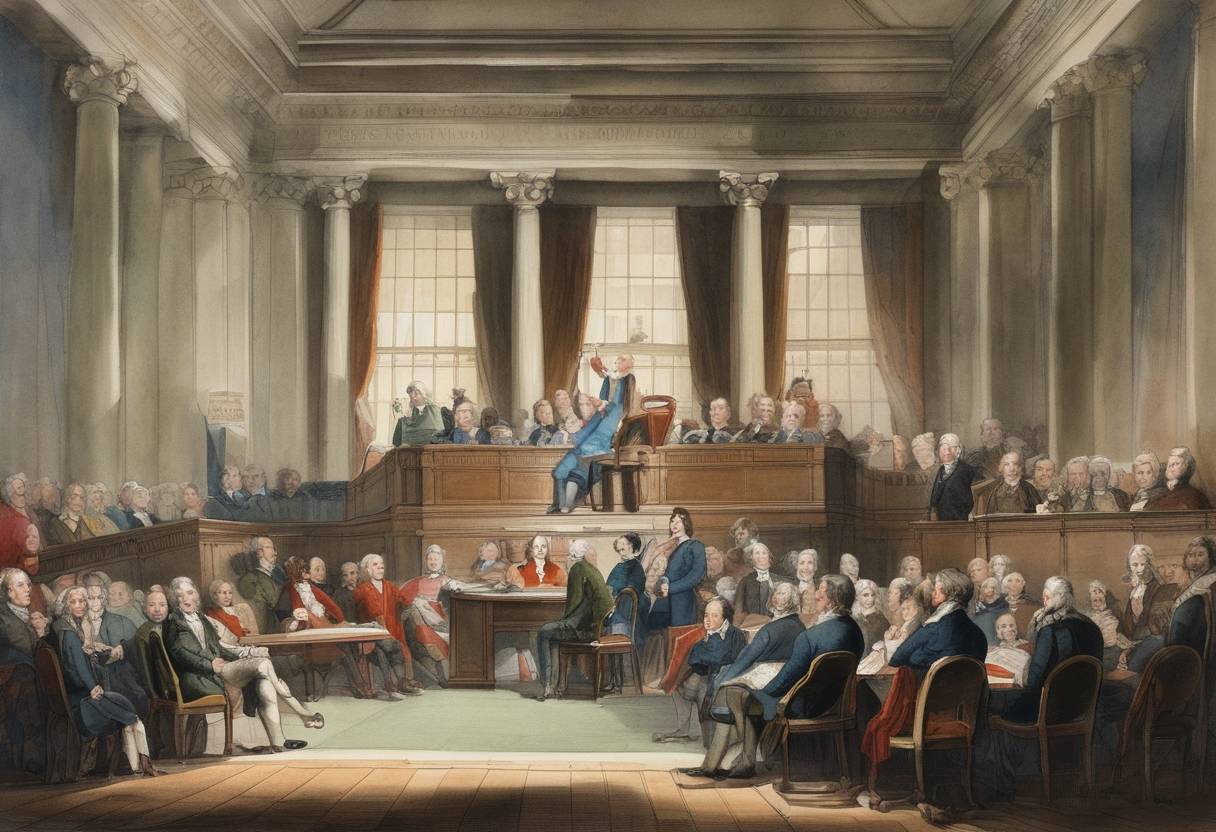
The establishment of a national mint was an essential step for the fledgling United States, which required a standardized currency system to facilitate trade and strengthen the national economy. Prior to this, the diverse currency system included foreign coins and state-issued money, creating a decentralized and inefficient monetary environment.
On March 3, 1791, the United States Congress passed a resolution to establish the U.S. Mint. This resolution was part of the nation’s broader financial reforms spearheaded by Alexander Hamilton, the first Secretary of the Treasury. His vision was to create a robust federal financial system that included sound management of the country’s debt and a stable national currency.
The establishment of the U.S. Mint on March 3, 1791, marked a significant step in the development of an organized financial system in the United States. By providing the nation with a stable currency, it laid the groundwork for future economic growth and integration of the states into a cohesive economic entity.
Source: en.wikipedia.org