The Last Island Hurricane of August 10, 1856
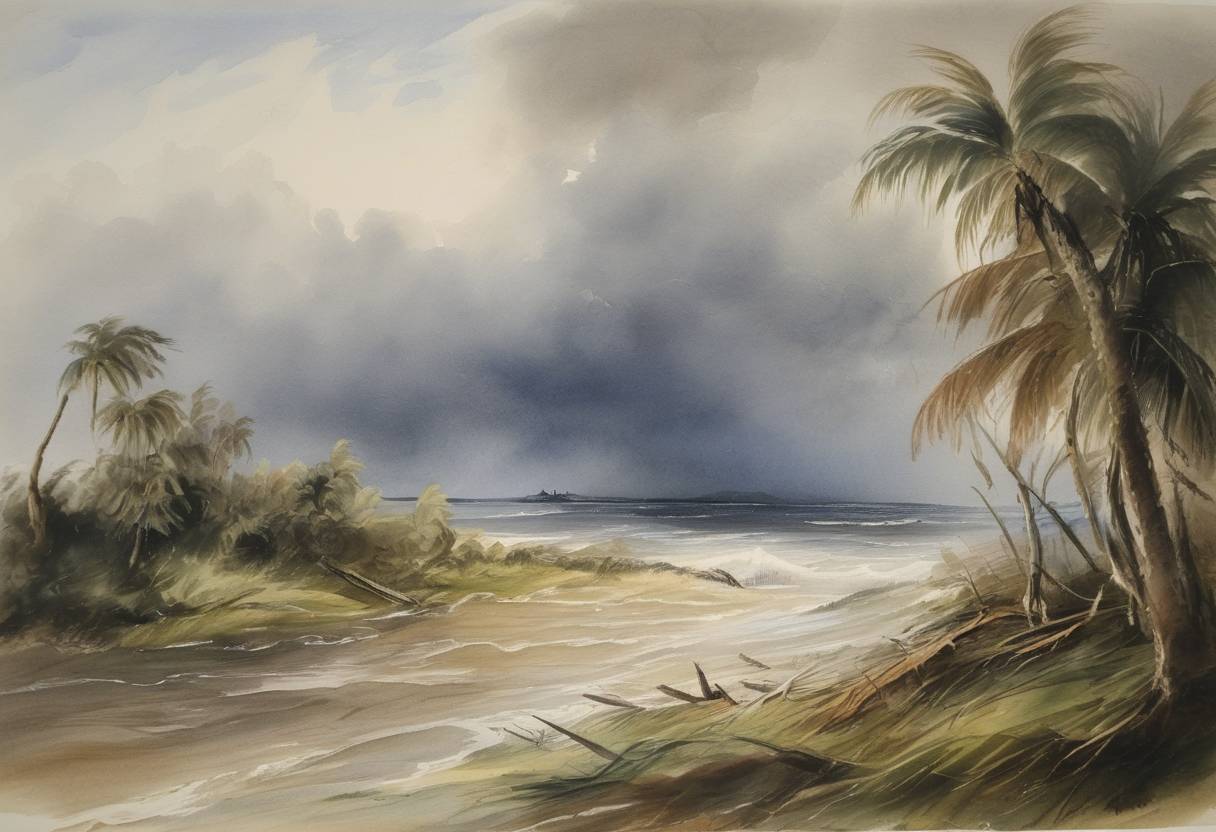
On August 10, 1856, a catastrophic hurricane, often referred to as the Isle Dernière hurricane, struck the Louisiana coast, causing the near-total destruction of Last Island (Isle Dernière), a popular Gulf of Mexico resort destination. This natural disaster is remembered as one of the most devastating hurricanes to impact the region in the 19th century.
Background
Last Island was a high-profile retreat for wealthy families from New Orleans and other parts of the Southern United States. Renowned for its hotels, cottages, and pleasant climate, it was a sought-after location during the summer months. The island’s popularity was due to its beautiful beaches and the relative ease of access by steamboat from the mainland.
The Hurricane
Meteorological Characteristics: The hurricane that struck on August 10, 1856, was characterized by its intense winds and significant storm surges. With sustained winds estimated to exceed 150 mph, it was likely a Category 4 hurricane at landfall.
Impact on Last Island: The storm surge completely inundated Last Island, eroding its sandy base and flattening almost all structures. The island, which was approximately 25 miles long, was split into smaller segments, and the once-thriving resort community was utterly destroyed.
Consequences and Aftermath
Casualties: The hurricane caused considerable loss of life. Contemporary reports indicate that over 200 people perished, many of whom were vacationers caught unaware by the rapid development of the storm.
Economic Impact: The destruction of Last Island had significant economic repercussions. The island never recovered its status as a resort, and many businesses were lost permanently.
Long-term Effects: The storm served as a dire warning of the potential dangers of hurricanes in the Gulf region, influencing future meteorological studies and disaster preparedness efforts.
Historical Significance
Cultural Legacy: The devastation of Last Island is a poignant chapter in the history of Louisiana, illustrating both the vulnerability of coastal communities to extreme weather and the power of nature to reshape the landscape.
Scientific Understanding: This event contributed to the early understanding of hurricane behavior and the importance of forecasting and evacuations, prefiguring modern strategies in hurricane response and management.
The Last Island hurricane remains a significant historical event, marking a turning point in the coastal development and disaster preparedness in the American South. The island today is largely uninhabited and serves as a reminder of the potent forces that can shape natural and human environments.