Tianjin Explosions - August 12, 2015
2015 · Tianjin, China
A series of explosions occurred at a container storage station at the Port of Tianjin in China, resulting in 173 deaths and hundreds of injuries.
February 7, 2008
A powerful explosion at a sugar refinery in Port Wentworth, Georgia, owned by Imperial Sugar, results in 14 fatalities and dozens of injuries. The explosion was caused by the ignition of sugar dust, highlighting the dangers of combustible dust in industrial settings.
Port Wentworth, United States | Imperial Sugar
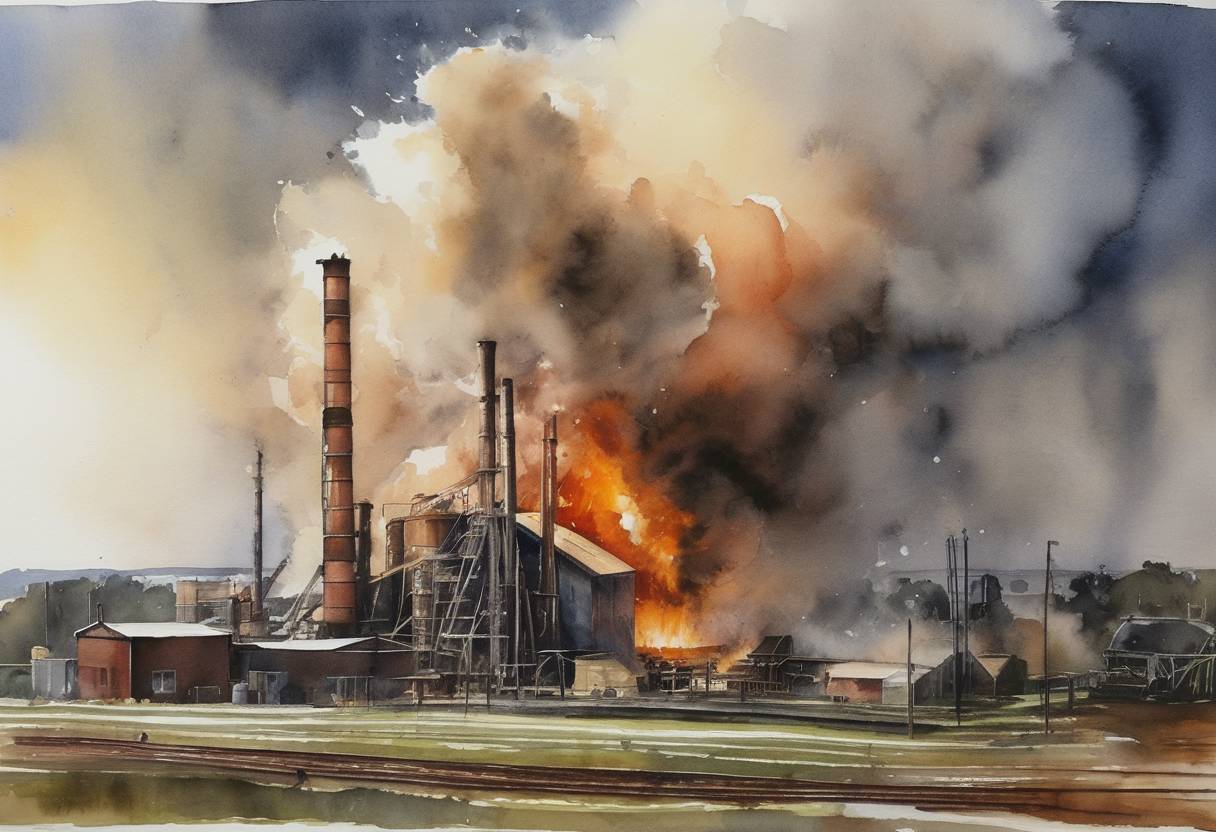
On February 7, 2008, a catastrophic explosion occurred at the Imperial Sugar refinery in Port Wentworth, Georgia, resulting in 14 fatalities and injuring dozens of others. This devastating event highlighted the severe risks associated with combustible dust in industrial settings, drawing attention to workplace safety standards.
Imperial Sugar was one of the largest sugar producers in the United States. Its Port Wentworth facility, located along the Savannah River, was integral to the company’s operations, processing and packaging granulated and powdered sugar.
At approximately 7:15 PM local time, a massive explosion ripped through the refinery. The ignition of sugar dust, a highly combustible material, was identified as the cause. The force of the blast caused extensive damage to buildings and equipment, leading to fires that burned for hours. Emergency responders faced challenges due to the intensity of the fire and structural instability.
The U.S. Chemical Safety and Hazard Investigation Board (CSB) conducted an investigation into the explosion. The CSB’s findings emphasized:
In the aftermath of the Port Wentworth disaster:
This tragic incident acts as a crucial reminder of the potential dangers in industrial processes and the importance of maintaining comprehensive safety standards to protect workers.
Source: www.osha.gov