Ascension of King Edward III of England
1327 · London, England
King Edward III of England was declared King of England, following the abdication of his father, Edward II.
November 13, 1312
King Edward III of England was born, later becoming one of the most noted monarchs who would rule from 1327 until his death in 1377. His reign was marked by significant developments in English law and the Hundred Years' War with France.
Windsor, England | Royal Family of England
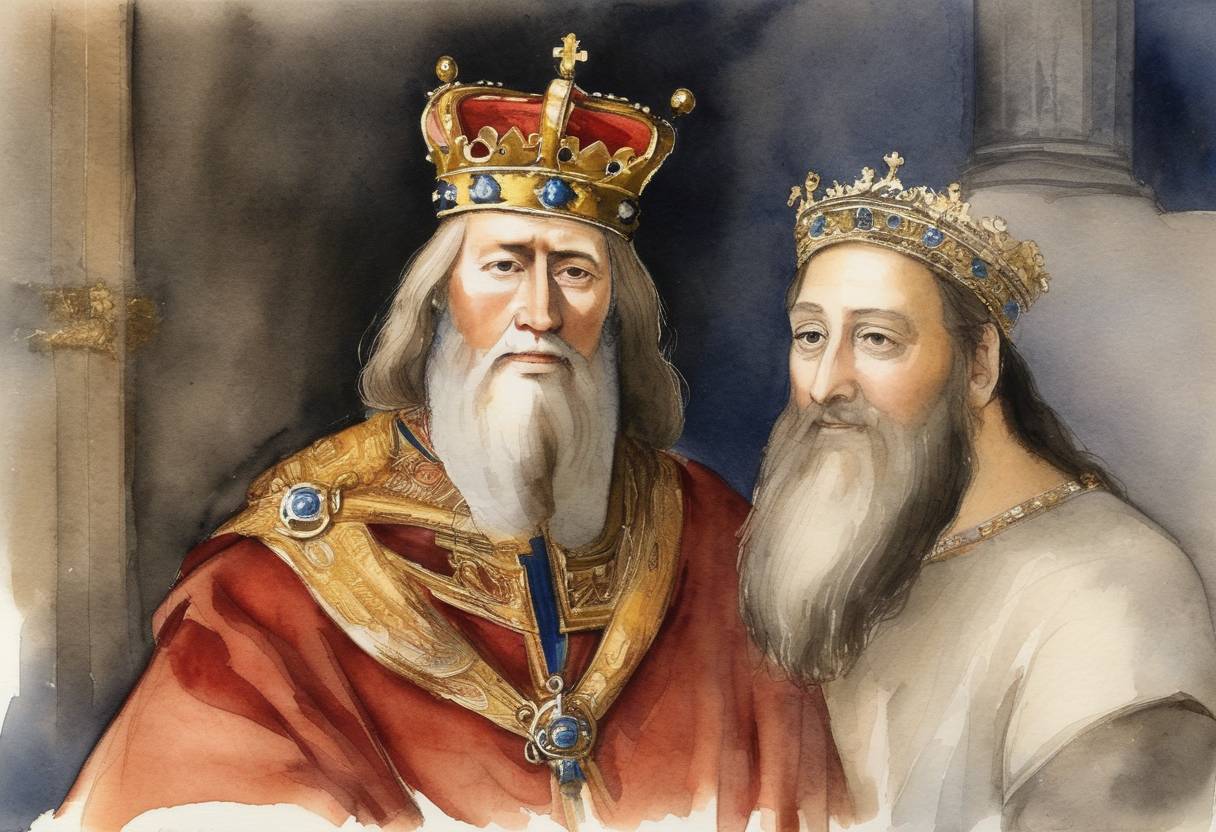
King Edward III of England was born on November 13, 1312, at Windsor Castle in Berkshire, England. He was the son of King Edward II and Queen Isabella of France. His birth marked the continuation of the Plantagenet dynasty, which played a crucial role in shaping medieval English history.
Edward III’s early years were characterized by political turmoil. His father, Edward II, faced widespread dissatisfaction among the nobility and was eventually deposed. Edward ascended to the throne on January 25, 1327, after his father’s forced abdication. Due to his young age at the time—only 14 years old—his mother, Queen Isabella, and her lover, Roger Mortimer, acted as regents, holding real power during the early years of his reign.
Once Edward III took control of the throne, he worked to restore monarchical authority, re-establishing order and stability within England. Notably, his reign was marked by the start of the Hundred Years’ War (1337-1453), a protracted conflict with France driven by both territorial disputes and Edward’s claim to the French crown.
Military Campaigns: Edward launched several successful campaigns in France, achieving notable victories such as the Battle of Crécy in 1346 and the capture of Calais in 1347.
The Black Death: The bubonic plague struck England in 1348-1350, with grave demographic and social implications. Edward’s response involved navigating the challenges of economic recovery and labor shortages.
Legal Reforms: Edward III’s reign saw significant legislative progress. The enactment of the Statute of Labourers in 1351 attempted to stabilize wages following the plagues’ impact. Additionally, the foundation of the Order of the Garter in 1348 cemented his efforts towards strengthening chivalric ideals.
Imperial Ambitions: Edward’s territorial ambitions in France and his claim to its throne illustrated his desire to bolster England’s influence and power on the European stage.
King Edward III’s rule, lasting 50 years, laid the groundwork for both the late medieval English monarchy and its subsequent political and military exploits in France. His periods of successful governance, military prowess, and legislative initiatives earned him a prominent place in England’s royal history. His legacy was carried forward by his descendants, particularly through his sons, including the notable Edward, the Black Prince, and his influence on the English throne’s dynastic aspirations continued to reverberate in the centuries that followed.
Source: en.wikipedia.org