Brazil's Independence and the Rise of Dom Pedro I
1822 · Rio de Janeiro, Brazil
Brazil was formally declared independent from Portugal, with Dom Pedro I becoming the first Emperor of Brazil.
May 12, 1888
Brazil was in the final stages of abolishing slavery, an effort culminating just a day after with the signing of the Lei Áurea (Golden Law) by Princess Isabel.
Rio de Janeiro, Brazil | Empire of Brazil
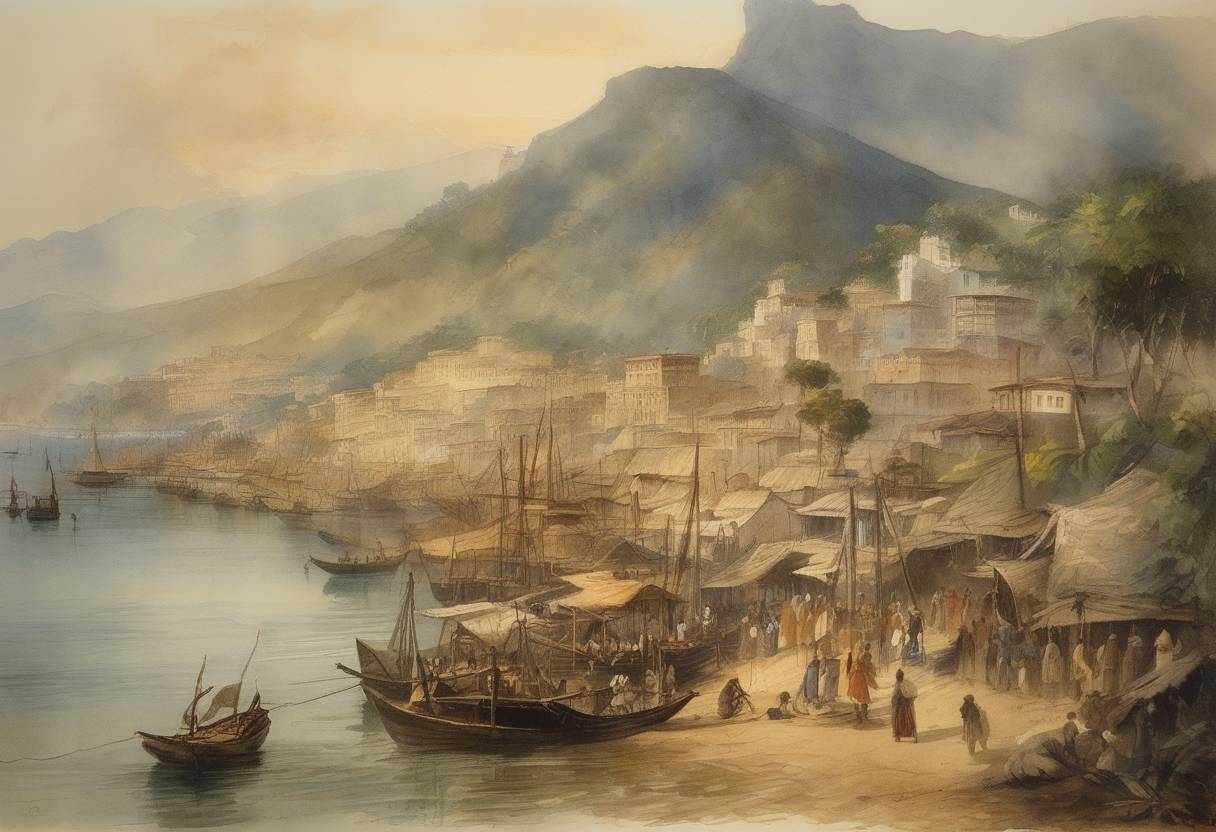
On May 12, 1888, Brazil was on the brink of a monumental shift as the nation moved towards the abolition of slavery, culminating in the enactment of the Lei Áurea (Golden Law) the following day. This effort was the final act in a long journey toward emancipation that had involved political debates, social movements, and a changing economy.
By the late 19th century, Brazil was the last country in the Americas where slavery remained legal. The country had a significant enslaved population, primarily employed in agricultural sectors such as coffee and sugar plantations. However, shifts in the global economy, with rising demands for paid labor, and internal pressures, including the growth of abolitionist movements, were steadily undermining the institution.
Abolitionism gained momentum through the efforts of intellectuals, politicians, and activists like Joaquim Nabuco and André Rebouças. The movement was buoyed by the growing influence of ideas surrounding human rights and equality, as well as a strong support from emancipated African-Brazilian communities.
The Brazilian government faced increasing diplomatic pressure from European countries and the United States, all of which had already abolished slavery. Domestically, the Brazilian monarchy, led by Emperor Pedro II, was undergoing a period of liberal reforms. Princess Isabel, acting as regent during the emperor’s travel, was poised to make a historic decision in aligning with the progressive forces advocating for the end of slavery.
In the days leading up to May 12, 1888, intense debates took place in the Brazilian parliament. A previously enacted law, the Lei dos Sexagenários (Law of the Free Womb) of 1871, had granted freedom to newborn children of enslaved mothers, and the Lei dos Sexagenários of 1885 had freed slaves over the age of 60. These laws laid the groundwork for the final abolition act.
The decision to abolish slavery represented both a major social transformation and a crucial political turning point. For enslaved individuals, it marked the end of a brutal chapter and the official recognition of their rights as free citizens. For Brazil, it set the stage for modernization efforts that would reshape its economy and society.
The eventual signing of the Lei Áurea on May 13, 1888, which officially abolished slavery, was a significant moment that concluded with Princess Isabel’s commitment to the reformist cause, highlighting her role in this historic transformation.
The events of May 12, 1888, exemplified the final preparations and discussions that would lead to a landmark in Brazil’s history. The abolition of slavery was the result of sustained advocacy and evolving political and economic dynamics, marking the end of an era and the beginning of new challenges as the nation transitioned towards a more equitable society.
Source: www.britannica.com