Founding of The Wrigley Company
1891 · Chicago, United States
The Wrigley Company was founded in Chicago by William Wrigley Jr., initially selling soap and baking powder before focusing on chewing gum.
August 1, 1896
Adolphus Green, along with other bakers, formed the National Biscuit Company, eventually known as Nabisco.
Chicago, United States | National Biscuit Company
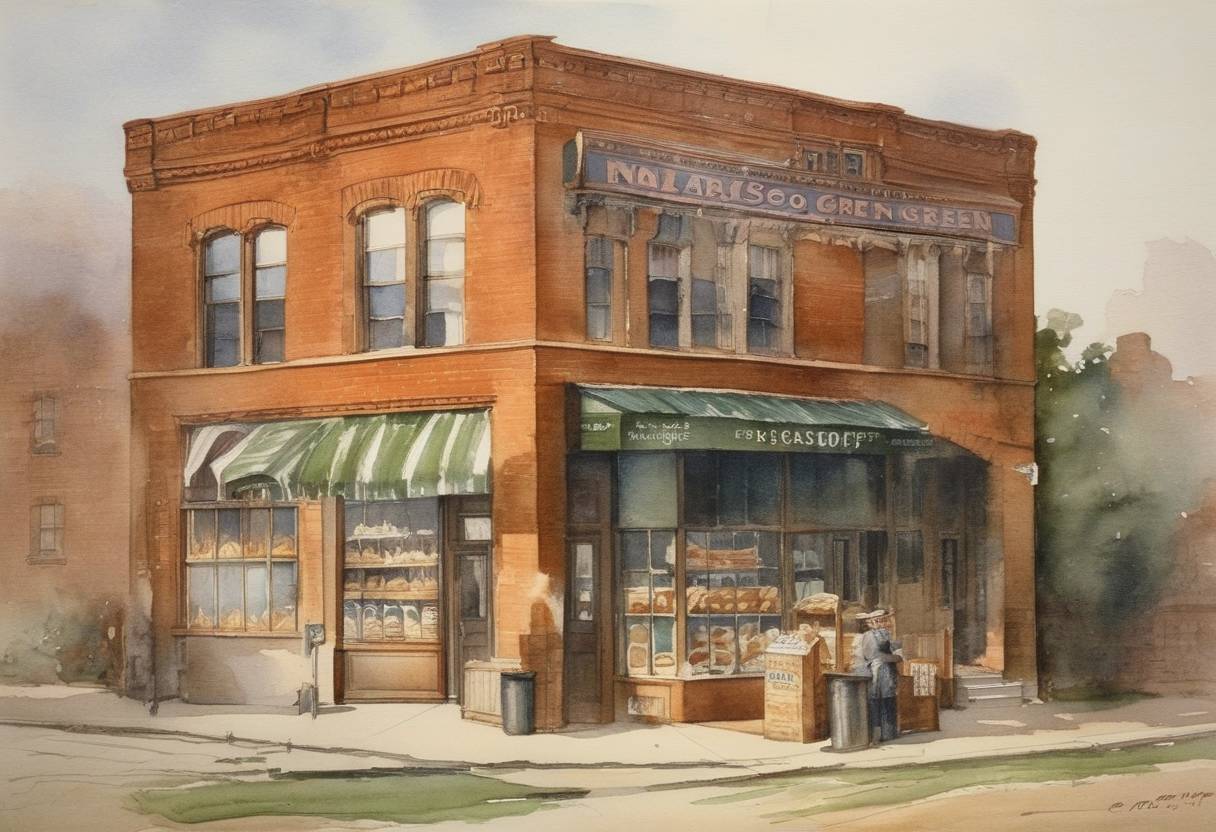
On August 1, 1896, the National Biscuit Company, later known as Nabisco, was formed through the merger of several companies. This significant event in the American food industry involved key player Adolphus Green, among others, who played a pivotal role in its establishment.
Adolphus Green: A prominent figure in the formation of the National Biscuit Company, Green was previously associated with the American Biscuit and Manufacturing Company. He later became president of the National Biscuit Company, driving its expansion and innovation.
William Moore and James G. Bent: Green collaborated with these individuals, who were notable figures in the New York Biscuit Company, demonstrating strategic leadership that played a role in the consolidation process.
The company was formed by the merger of the American Biscuit and Manufacturing Company, the New York Biscuit Company, and the United States Baking Company. The merger aimed to capitalize on economies of scale, improve distribution networks, and enhance product consistency across the United States.
Branding: Under leadership like Green’s, the company invested in national advertising campaigns, which was innovative at the time. This strategy solidified brand recognition and cultivated consumer trust.
Introduction of Iconic Products: The introduction of products like the Uneeda Biscuit paved the way for subsequent successful brands under Nabisco’s portfolio. In recognition of expanding markets, these product lines were tailored to meet varying consumer demands.
The formation of the National Biscuit Company marked a pivotal transition in the food manufacturing industry. It served as a precursor to the modern practices of brand management and product marketing. The company laid the groundwork for what would eventually become Nabisco, a household name known globally for its cookies and snacks.
The establishment of the National Biscuit Company on August 1, 1896, was a landmark event that reshaped the American food manufacturing landscape. It highlighted strategic business consolidations and introduced enduring practices in product branding and advertising that continue to influence the industry today.
Source: www.company-histories.com