Triggering Article 7 Against Hungary: A Significant EU Move
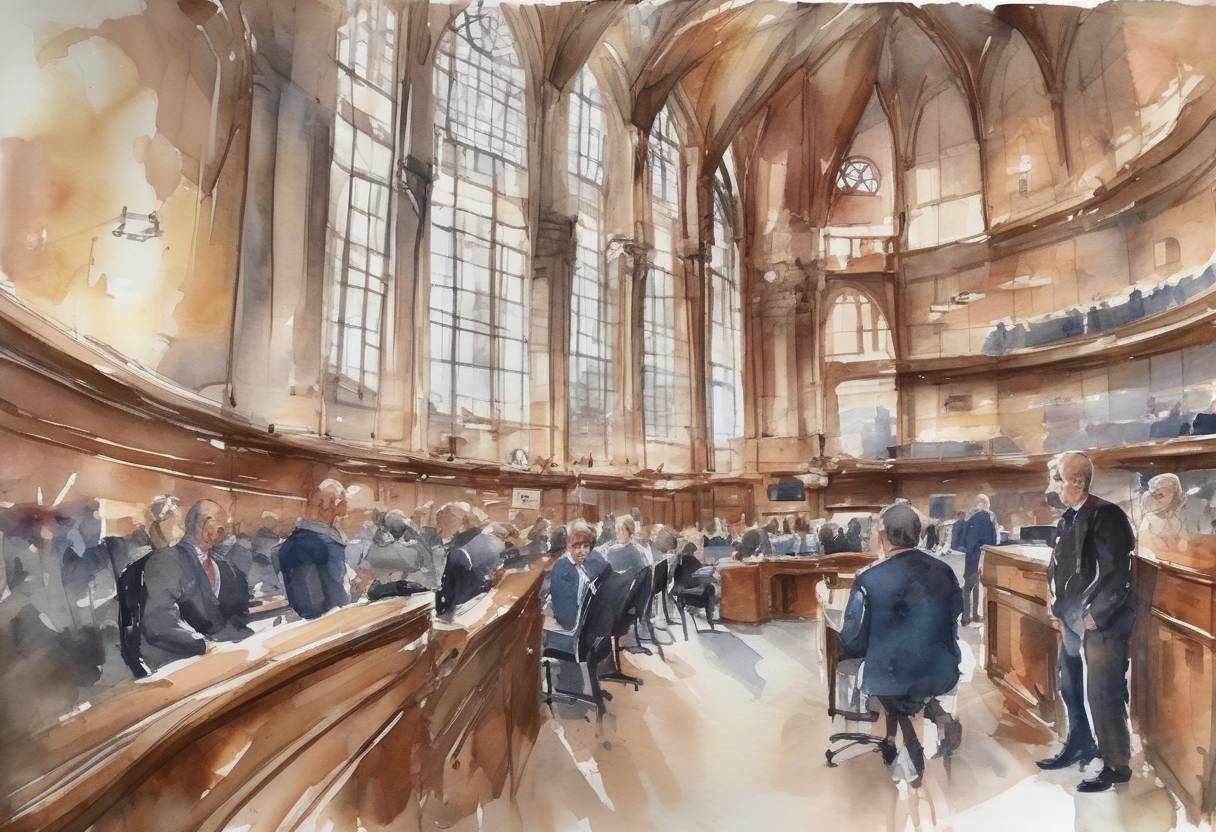
On September 12, 2018, the European Parliament took a historic step by voting to trigger Article 7 of the Treaty on European Union against Hungary. This decision marked a significant moment in the European Union’s efforts to address concerns about breaches of its core values, including the rule of law, democracy, and human rights, within its member states.
Context and Background
Article 7 of the Treaty on European Union: Often referred to as the “nuclear option,” Article 7 is a mechanism designed to address serious breaches of EU values by a member state. It allows the EU to suspend certain rights from a member state, including voting rights in the Council of the European Union.
Concerns About Hungary: Over the years leading up to the vote, there were growing concerns about the Hungarian government’s actions under Prime Minister Viktor Orbán. Critics accused the government of undermining judicial independence, restricting press freedom, and curbing the rights of minorities and non-governmental organizations.
The Vote
Outcome: The European Parliament voted in favor of triggering Article 7 with a two-thirds majority. This was the first time the Parliament had initiated such proceedings against a member state.
Significance: The vote was a clear signal from the EU that it was willing to take strong measures to uphold its foundational values. It underscored the EU’s commitment to ensuring that all member states adhere to democratic principles and human rights.
Key Events Leading Up to the Vote
Judicial Reforms: Hungary’s judicial reforms were criticized for threatening the independence of the judiciary, a cornerstone of democratic governance.
Media and Academic Freedom: The government faced accusations of exerting control over media outlets and passing legislation that targeted academic institutions, notably the Central European University.
Civil Society Restrictions: Laws were introduced that were seen as limiting the operations of NGOs, particularly those receiving foreign funding.
Aftermath and Consequences
EU’s Stance: The triggering of Article 7 was a procedural step that required further action by the European Council to impose any sanctions. The process highlighted the EU’s internal challenges in balancing national sovereignty with adherence to common values.
Hungary’s Response: The Hungarian government rejected the accusations, arguing that the measures were necessary for national security and sovereignty. It framed the vote as an attack on Hungary’s right to self-determination.
Broader Implications: The move against Hungary set a precedent for how the EU might handle similar situations with other member states. It also sparked discussions about the effectiveness and limitations of Article 7 as a tool for enforcing EU values.
In conclusion, the European Parliament’s decision to trigger Article 7 against Hungary was a landmark moment in the EU’s history, reflecting its ongoing struggle to maintain unity and uphold democratic principles among its diverse member states.