The End of the Battle of Stalingrad: January 31, 1943
1943 · Stalingrad, Soviet Union
The Battle of Stalingrad comes to an end with the surrender of German forces, marking a significant turning point in World War II.
November 19, 1942
The Soviet Union launched Operation Uranus during World War II, a counteroffensive that encircled German forces in Stalingrad.
Stalingrad, Soviet Union | Soviet Red Army
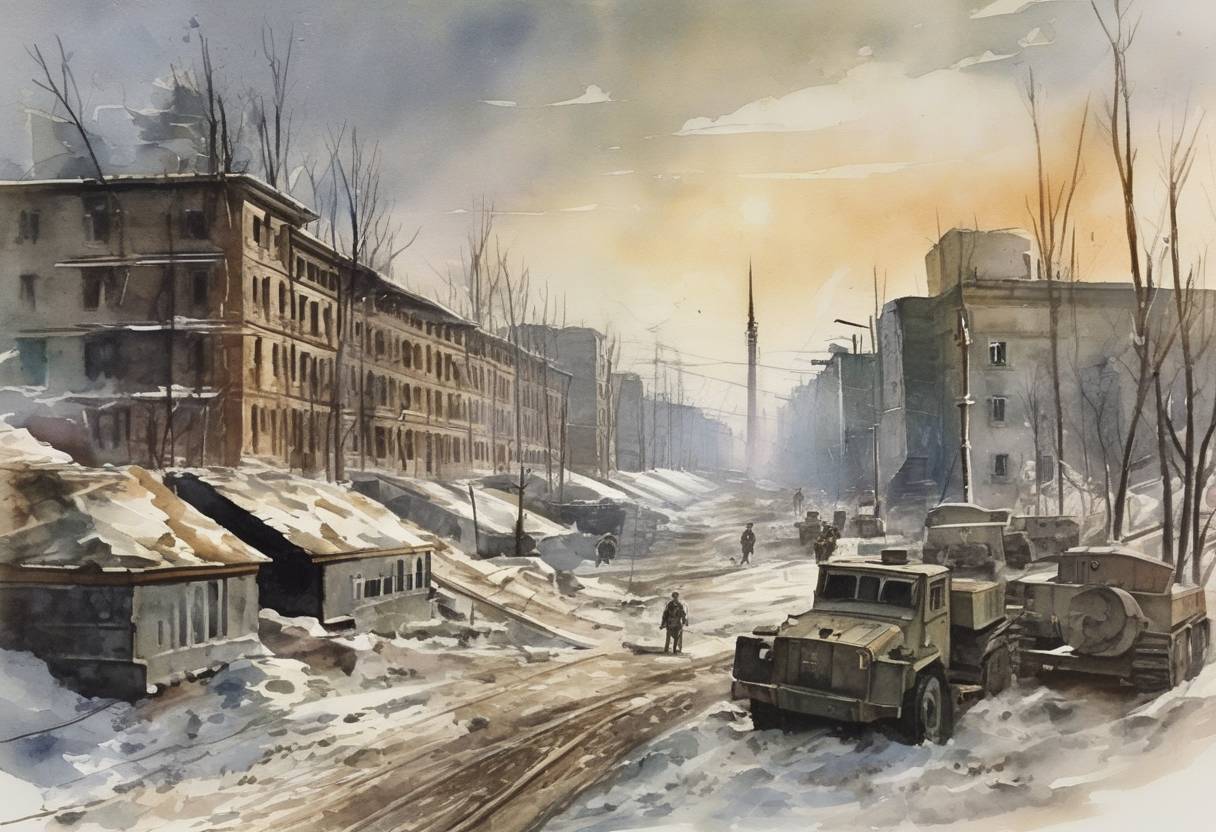
On November 19, 1942, the Soviet Union launched Operation Uranus, a meticulously planned counteroffensive during World War II that marked a pivotal moment in the Battle of Stalingrad. This operation aimed to encircle and ultimately defeat the German Sixth Army, which had been besieging the city of Stalingrad since the summer of 1942.
The Battle of Stalingrad was one of the deadliest confrontations of World War II, with the German Wehrmacht aiming to capture the city both for its strategic position on the Volga River and its symbolic value. By November 1942, the German forces, led by General Friedrich Paulus, had penetrated deep into the city but were stretched thin and vulnerable.
Operation Uranus was devised by Soviet Generals Georgy Zhukov and Aleksandr Vasilevsky. The plan involved a double envelopment maneuver, targeting the weaker Romanian and Italian forces that flanked the German Sixth Army. These Axis allies were less equipped and prepared compared to the German troops, making them an ideal target for the Soviet counteroffensive.
By November 23, 1942, the two Soviet pincers met at the town of Kalach, effectively encircling approximately 290,000 Axis troops in and around Stalingrad. This encirclement trapped the German Sixth Army, cutting off their supply lines and leaving them isolated in the harsh Russian winter.
The encirclement led to a prolonged siege, with the German forces unable to break out or receive adequate supplies. Despite attempts by the German High Command, including Operation Winter Storm, to relieve the encircled troops, the Soviet grip tightened.
Operation Uranus demonstrated the effectiveness of Soviet military strategy and resilience, altering the course of the war and contributing to the eventual defeat of Nazi Germany.
Source: en.wikipedia.org