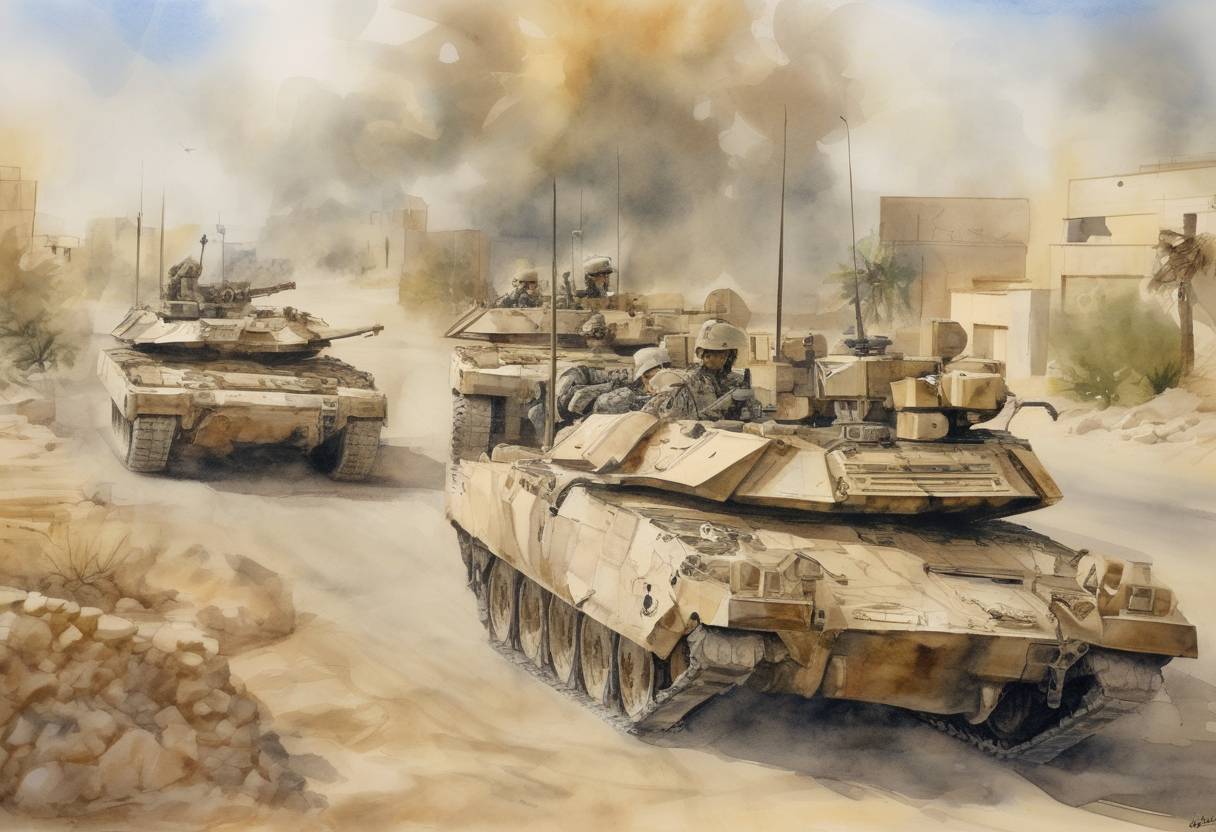
End of Operation Iraqi Freedom and Transition to Operation New Dawn
On August 19, 2010, a significant milestone was reached in the United States’ military involvement in Iraq. This date marked the official end of Operation Iraqi Freedom as the last U.S. combat brigade exited Iraq. This transition was part of a broader strategic shift towards Operation New Dawn, which focused on stability operations and the continued support of Iraqi security forces.
Background
Operation Iraqi Freedom began on March 20, 2003, with the primary objective of toppling the regime of Saddam Hussein. The operation was part of the broader U.S. strategy in the Middle East following the September 11, 2001, terrorist attacks. The initial phase of the operation saw rapid military success, with Baghdad falling in April 2003. However, the subsequent years were marked by a protracted insurgency, sectarian violence, and political instability.
Transition to Operation New Dawn
By 2010, the security situation in Iraq had improved, albeit with ongoing challenges. The U.S. government, under President Barack Obama, sought to reduce the American military footprint in Iraq and shift the focus to supporting Iraqi self-governance and security capabilities. This led to the transition from Operation Iraqi Freedom to Operation New Dawn.
Key Aspects of the Transition:
Withdrawal of Combat Troops: The last U.S. combat brigade, the 4th Stryker Brigade, 2nd Infantry Division, crossed the border into Kuwait on August 19, 2010. This withdrawal marked the end of combat operations, although approximately 50,000 U.S. troops remained in Iraq to assist with training and advisory roles.
Focus on Stability Operations: Operation New Dawn emphasized non-combat roles, including training Iraqi security forces, supporting reconstruction efforts, and facilitating political reconciliation.
Iraqi Security Forces: A critical component of Operation New Dawn was the continued development and support of Iraqi security forces to ensure they could maintain security and stability independently.
Aftermath and Significance
The transition to Operation New Dawn represented a pivotal moment in U.S.-Iraq relations and the broader Middle East strategy. It underscored a shift from direct military intervention to a more supportive role aimed at fostering long-term stability in Iraq.
Broader Implications:
U.S. Foreign Policy: The drawdown of combat troops aligned with President Obama’s broader foreign policy goals of reducing U.S. military engagements abroad and focusing on diplomatic solutions.
Iraq’s Political Landscape: The transition period was crucial for Iraq’s political development, as the country continued to grapple with internal divisions and the need for effective governance.
Regional Stability: The U.S. hoped that a stable Iraq would contribute to broader regional stability, though challenges remained, including the rise of extremist groups in subsequent years.
In summary, the end of Operation Iraqi Freedom and the beginning of Operation New Dawn marked a strategic shift in U.S. involvement in Iraq, focusing on empowering Iraqi institutions and reducing direct military engagement. This transition was a significant step towards the eventual complete withdrawal of U.S. forces from Iraq in December 2011.