Donald Trump Elected as the 45th President of the United States
2016 · Washington D.C., United States
Donald Trump was elected as the 45th President of the United States, defeating Democratic candidate Hillary Clinton.
April 15, 2021
The United States announced sanctions against Russia, expelling ten Russian diplomats and targeting dozens of companies and individuals, in response to alleged election interference and cyberattacks.
Washington D.C., United States | United States government
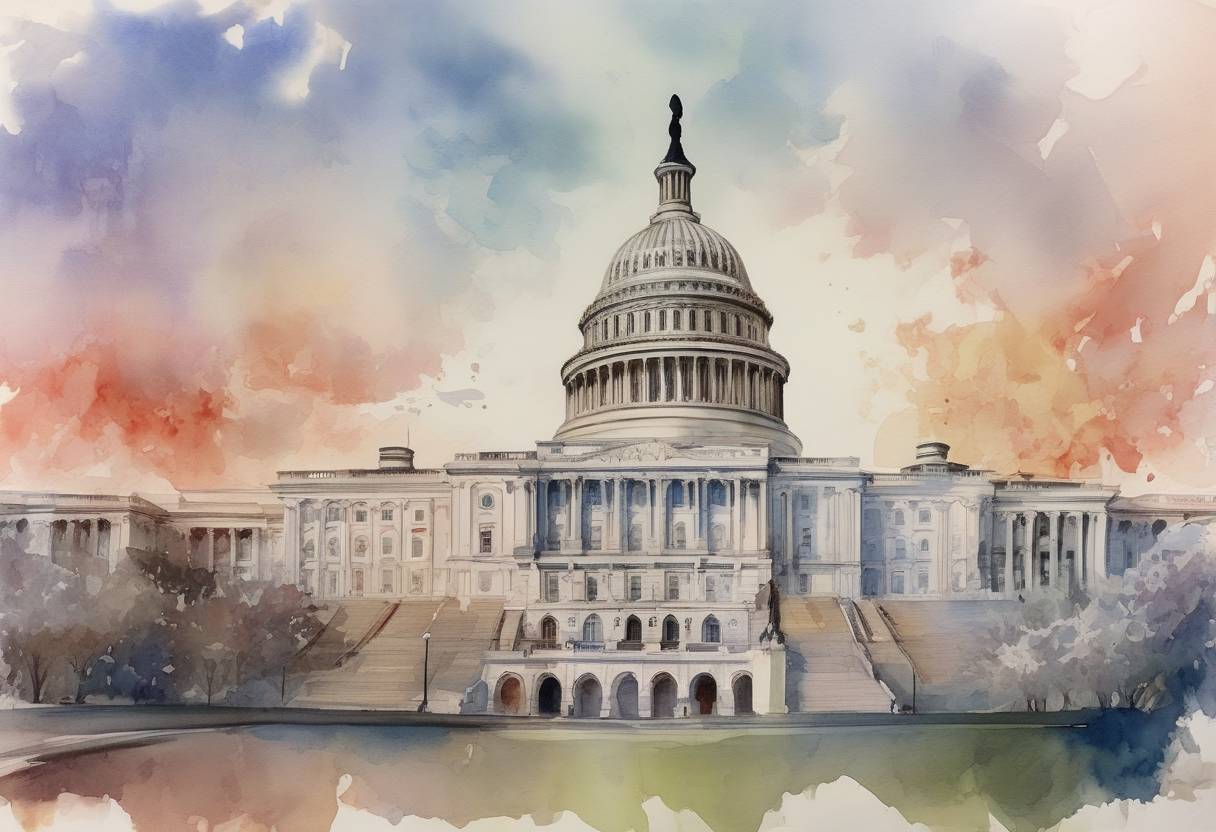
On April 15, 2021, the United States government announced a series of sanctions against Russia. This move was a response to alleged Russian interference in the 2020 U.S. presidential election and a series of cyberattacks, most notably the SolarWinds cyberattack. The sanctions were part of a broader strategy to hold Russia accountable for actions perceived as undermining U.S. democracy and security.
Expulsion of Diplomats: The U.S. expelled ten Russian diplomats from Washington, D.C. These individuals were identified as intelligence officers operating under diplomatic cover.
Sanctions on Individuals and Entities: The U.S. Treasury Department imposed sanctions on 32 entities and individuals accused of attempting to influence the 2020 U.S. presidential election and engaging in other acts of disinformation.
Targeting Russian Sovereign Debt: The U.S. prohibited American financial institutions from participating in the primary market for bonds issued by Russia’s central bank, finance ministry, and sovereign wealth fund after June 14, 2021. This measure aimed to restrict Russia’s ability to raise capital.
Response to Cyberattacks: The sanctions also addressed the SolarWinds cyberattack, which compromised numerous U.S. government agencies and private companies. The U.S. government attributed the attack to Russia’s Foreign Intelligence Service (SVR).
Election Interference: The U.S. intelligence community had previously concluded that Russia attempted to influence the 2020 election in favor of certain candidates through disinformation campaigns and other means.
SolarWinds Cyberattack: Discovered in December 2020, this sophisticated cyberattack involved the insertion of malicious code into software updates from SolarWinds, a major IT management company. The breach affected thousands of organizations globally, including multiple U.S. federal agencies.
U.S.-Russia Relations: These sanctions marked a significant escalation in tensions between the U.S. and Russia. They were part of a broader pattern of deteriorating relations, characterized by mutual accusations of interference and cyber espionage.
International Reactions: The sanctions were supported by several U.S. allies, who shared concerns about Russia’s cyber activities and election interference. However, they also prompted retaliatory measures from Russia, including the expulsion of U.S. diplomats from Moscow.
Cybersecurity Concerns: The events underscored the growing importance of cybersecurity in international relations and the potential for cyberattacks to disrupt national security and economic stability.
In summary, the sanctions announced on April 15, 2021, were a significant step in the U.S. government’s efforts to counter perceived Russian aggression in cyberspace and electoral processes. These measures highlighted the complexities of modern geopolitical conflicts, where cyber capabilities play an increasingly central role.
Source: www.nytimes.com