Queen Anne Withholds Royal Assent from the Scottish Militia Bill
1708 · London, United Kingdom
Queen Anne withheld Royal Assent from the Scottish Militia Bill, the last time a British monarch vetoed legislation.
May 1, 1707
The Act of Union came into effect, uniting the Kingdom of England and the Kingdom of Scotland into a single sovereign state known as the Kingdom of Great Britain.
London, United Kingdom | Parliament of Great Britain
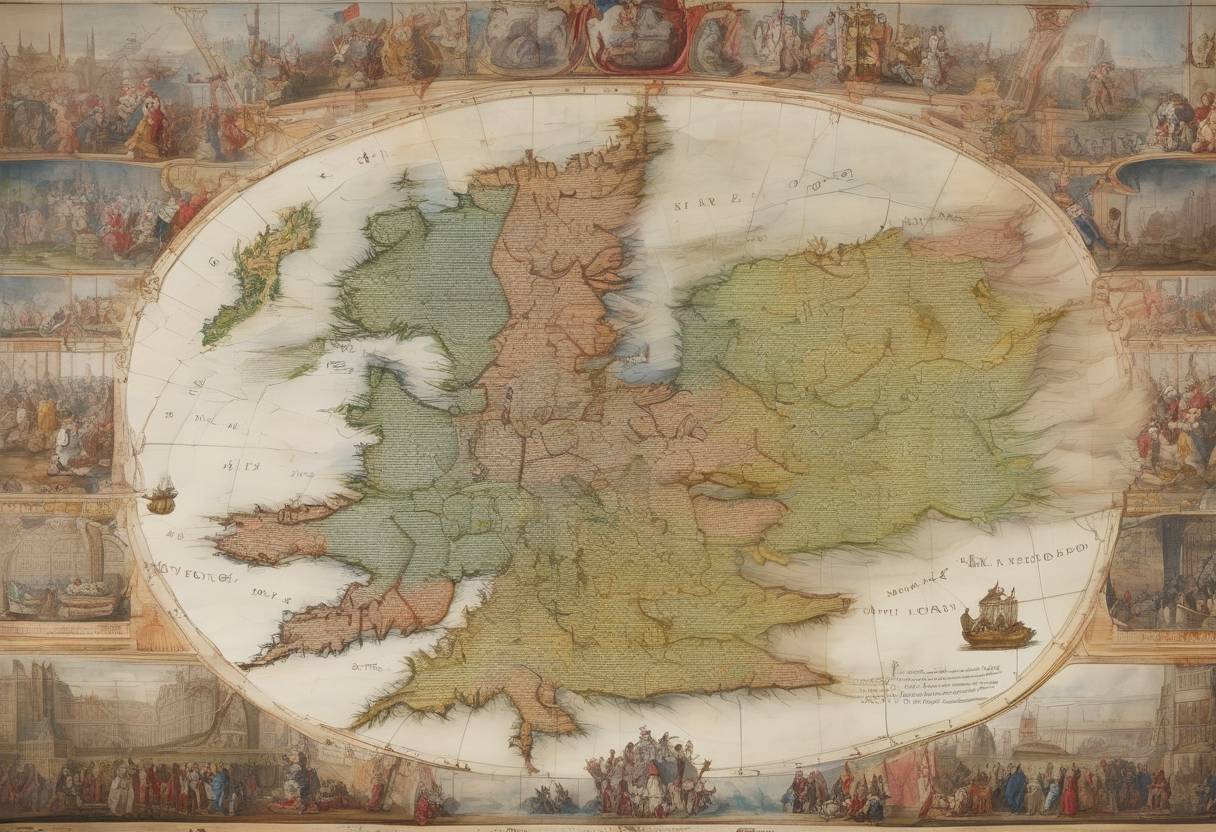
On May 1, 1707, a significant event in British history took place: the Act of Union came into effect, uniting the Kingdom of England and the Kingdom of Scotland into a single sovereign state known as the Kingdom of Great Britain. This union was the result of a series of political maneuvers and negotiations that had been ongoing for several years.
The unification of England and Scotland was driven by a combination of political, economic, and security concerns:
Political Factors: The crowns of England and Scotland had been united since 1603 when James VI of Scotland became James I of England. However, the two kingdoms remained separate entities with their own parliaments and laws. The union of the crowns did not resolve underlying tensions and differences between the two nations.
Economic Considerations: Scotland faced economic difficulties, exacerbated by the failure of the Darien Scheme, an ambitious but disastrous attempt to establish a Scottish colony in Panama. The English Parliament offered economic incentives to Scotland, including access to English colonial markets, which were attractive to the struggling Scottish economy.
Security Concerns: The War of the Spanish Succession (1701-1714) highlighted the need for a unified defense strategy. A united Britain would be stronger against external threats, particularly from France.
The Acts of Union were two complementary pieces of legislation:
These acts outlined the terms of the union, including:
The union had profound implications:
Political Impact: The creation of a single parliament marked a significant shift in the governance of the British Isles. Scottish representation in the new parliament was limited, leading to some discontent.
Economic Effects: The union opened up new economic opportunities for Scotland, contributing to the country’s eventual industrial growth.
Cultural and Social Changes: While the union brought about greater political stability, it also sparked debates about national identity and sovereignty, issues that continue to resonate in contemporary British politics.
The Act of Union 1707 laid the foundation for the modern United Kingdom, shaping the political landscape of the British Isles for centuries to come. Its legacy is complex, with both positive and negative aspects, and it remains a pivotal moment in the history of Britain.
Source: en.wikipedia.org