The Rescue of the Chilean Miners: October 13, 2010
2010 · Copiapó, Chile
The last of 33 miners trapped underground for 69 days in the San José mine in Copiapó, Chile, is rescued, concluding a successful international rescue operation.
August 13, 2010
The Copiapó mining accident occurred in Chile, trapping 33 miners 700 meters underground. The miners were eventually rescued after 69 days, in a dramatic operation that captured global attention.
Copiapó, Chile | Chilean government
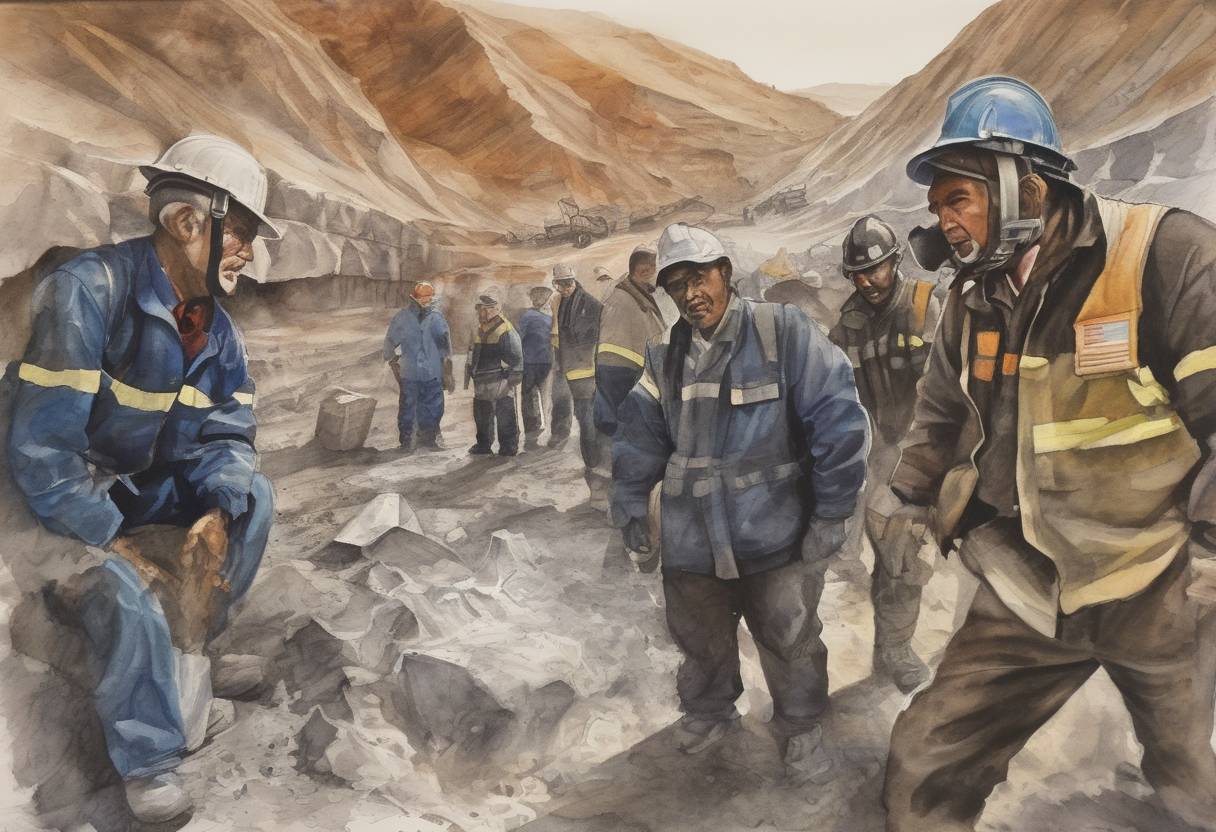
On August 13, 2010, a significant mining accident occurred at the San José copper-gold mine, located near Copiapó in northern Chile. This incident trapped 33 miners approximately 700 meters (about 2,300 feet) underground, marking the beginning of a dramatic and unprecedented rescue operation that would capture the attention of the world.
The San José mine, owned by the San Esteban Mining Company, had a history of safety violations and accidents. Despite these issues, it continued operations due to the economic importance of mining in the region. The mine’s unstable geological conditions were well-known, yet it remained operational, setting the stage for the disaster.
On the afternoon of August 5, 2010, a cave-in occurred, blocking the miners’ exit and trapping them underground. Initial rescue efforts were hampered by the mine’s unstable conditions and the lack of accurate maps of the mine’s tunnels. For several days, there was no contact with the trapped miners, leading to fears of their survival.
The Chilean government, led by President Sebastián Piñera, quickly mobilized a massive rescue operation. The effort involved drilling boreholes to locate the miners and provide them with food, water, and communication devices. On August 22, 17 days after the collapse, a note was retrieved from one of the boreholes, confirming that all 33 miners were alive.
The rescue operation, dubbed “Operación San Lorenzo,” involved three drilling plans (Plan A, B, and C) to reach the miners. The successful plan, Plan B, utilized a Schramm T130XD air drill to create a rescue shaft wide enough to extract the miners one by one.
On October 13, 2010, after 69 days underground, the rescue operation culminated in the successful extraction of all 33 miners. The rescue capsule, named “Fénix 2,” was used to hoist each miner to the surface in a process that took nearly 24 hours. The event was broadcast live, watched by millions worldwide, and celebrated as a triumph of human endurance and international cooperation.
The Copiapó mining accident highlighted the importance of mine safety and the need for stringent regulations. It also showcased the resilience and solidarity of the miners, their families, and the global community. The incident led to increased scrutiny of mining practices in Chile and prompted reforms aimed at improving safety standards.
The rescue operation was a testament to human ingenuity and the power of hope, leaving a lasting legacy on both the local and international stages. The story of the “Los 33” continues to inspire and serves as a reminder of the potential for unity and perseverance in the face of adversity.
Source: en.wikipedia.org