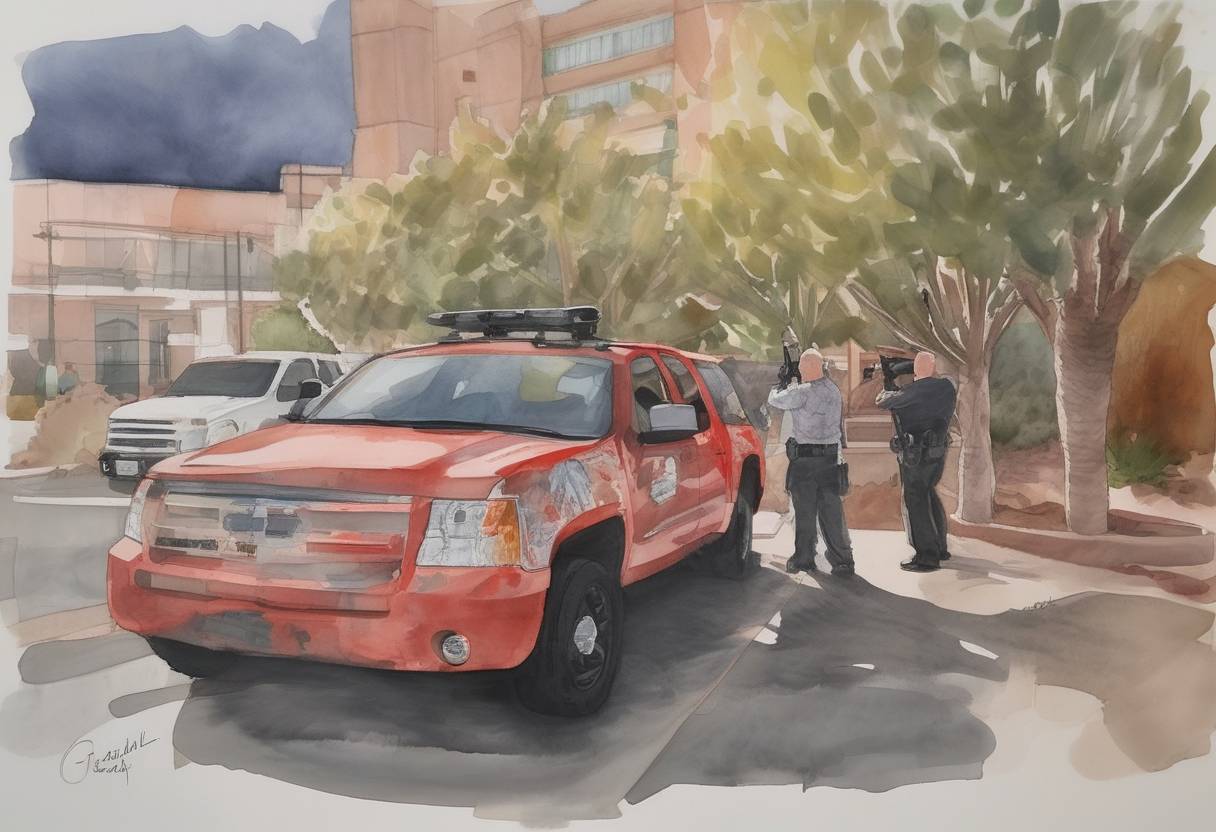
The Tucson Shooting: January 8, 2011
On January 8, 2011, a tragic mass shooting occurred in Tucson, Arizona, during a “Congress on Your Corner” event hosted by U.S. Representative Gabrielle Giffords. This event was intended to allow constituents to meet and discuss issues with their congresswoman. However, it turned into a scene of violence that shocked the nation.
Key Details of the Event
- Location: The shooting took place outside a Safeway supermarket in Casas Adobes, a suburb of Tucson.
- Time: The attack occurred at approximately 10:10 AM local time.
- Perpetrator: Jared Lee Loughner, a 22-year-old local resident, was identified as the shooter. He approached the gathering and opened fire with a semi-automatic pistol.
- Casualties: Six people were killed, and thirteen others were injured, including Representative Giffords.
Victims
Among those who lost their lives were:
- John Roll: A federal judge for the United States District Court for the District of Arizona.
- Christina-Taylor Green: A nine-year-old girl who was born on September 11, 2001, and had an interest in politics.
- Gabe Zimmerman: A member of Giffords’ staff.
- Dorothy Morris, Phyllis Schneck, and Dorwan Stoddard: Local residents attending the event.
Gabrielle Giffords
- Injury: Giffords was critically injured, having been shot in the head at close range. Her survival and subsequent recovery were considered remarkable.
- Aftermath: Giffords underwent extensive rehabilitation and therapy. She resigned from Congress in January 2012 to focus on her recovery but remained a prominent advocate for gun control and public safety.
Broader Impact and Response
- National Reaction: The shooting prompted widespread mourning and a national conversation about gun violence, political rhetoric, and mental health.
- Legislative and Security Changes: The incident led to increased security measures for public officials and renewed debates over gun control legislation.
- Legal Proceedings: Jared Lee Loughner was charged with multiple counts of murder and attempted murder. In 2012, he pleaded guilty to avoid the death penalty and was sentenced to life in prison without the possibility of parole.
Historical Significance
The Tucson shooting highlighted the vulnerabilities of public officials and the potential dangers of political gatherings. It also underscored the need for a balanced discourse on gun rights and public safety in the United States. The event remains a poignant reminder of the impact of violence on communities and the enduring resilience of those affected.