The Signing of the Voting Rights Act of 1965
1965 · Washington, D.C., United States
U.S. President Lyndon B. Johnson signed the Voting Rights Act into law, prohibiting racial discrimination in voting.
February 3, 1870
The 15th Amendment to the United States Constitution was ratified, granting voting rights regardless of race.
Washington D.C., United States | United States Congress
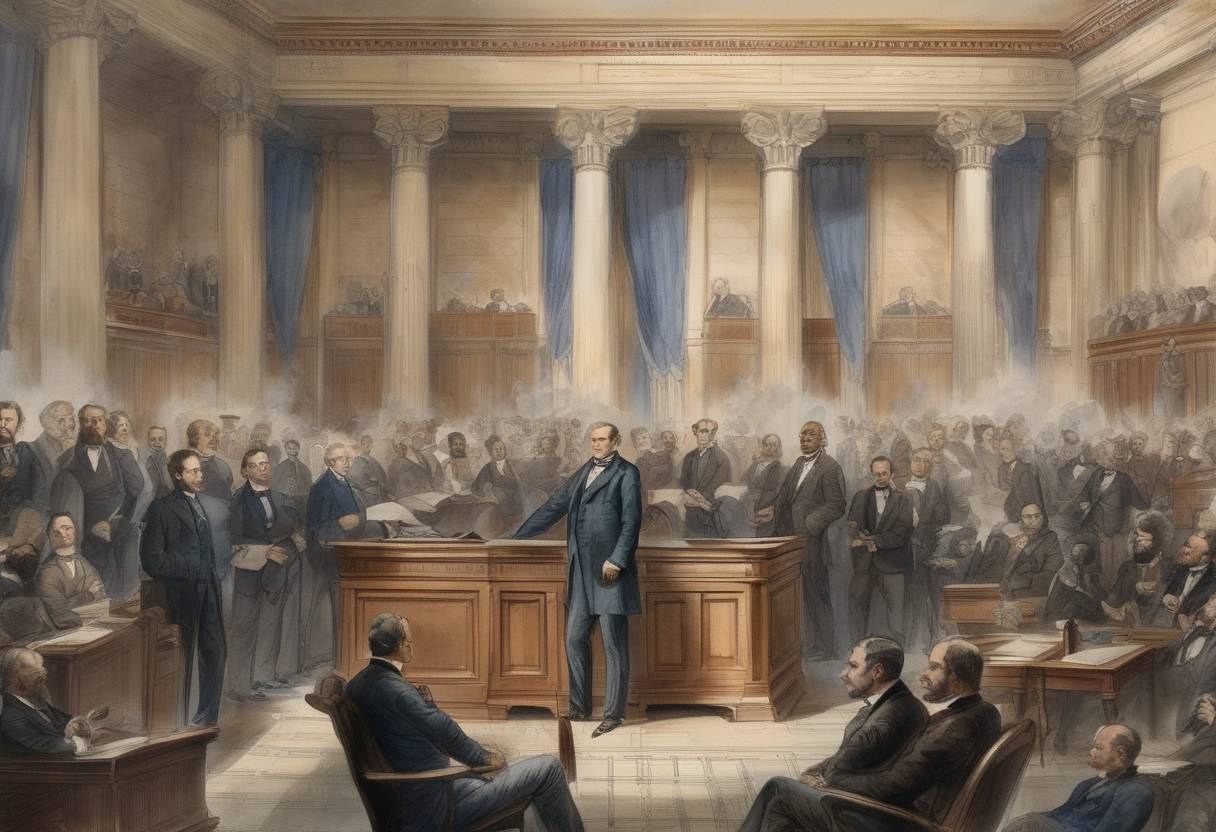
On February 3, 1870, the 15th Amendment to the United States Constitution was ratified, marking a pivotal moment in American history. This amendment was a significant step in the long struggle for civil rights, as it granted African American men the right to vote by prohibiting the federal and state governments from denying a citizen the right to vote based on “race, color, or previous condition of servitude.”
The ratification of the 15th Amendment was part of the broader Reconstruction Era efforts following the Civil War. After the abolition of slavery with the 13th Amendment and the granting of citizenship and equal protection under the law with the 14th Amendment, the 15th Amendment aimed to address the issue of voting rights for African Americans.
The 15th Amendment consists of two sections:
The ratification of the 15th Amendment was a landmark achievement in the fight for racial equality in the United States. However, its promise was not fully realized for nearly a century due to systemic racism and legal loopholes. The amendment’s legacy is a testament to the ongoing struggle for civil rights and the importance of vigilance in protecting voting rights for all citizens.
In summary, the 15th Amendment was a crucial step toward racial equality in the United States, symbolizing both progress and the challenges that lay ahead in the pursuit of true democratic participation for all Americans.
Source: www.archives.gov