The First United States Census: August 2, 1790
On August 2, 1790, the United States conducted its first census, a pivotal event in the young nation’s history. This census was mandated by the U.S. Constitution, which required a population count every ten years to ensure fair representation and taxation. The 1790 Census was a foundational step in establishing a systematic approach to understanding the demographic makeup of the country.
Context and Background
- Constitutional Mandate: Article I, Section 2 of the U.S. Constitution required a decennial census to apportion seats in the House of Representatives among the states based on population.
- Legislative Framework: The Census Act of 1790, signed into law by President George Washington, provided the legal framework for conducting the census.
Key Details of the 1790 Census
- Date: The census officially began on August 2, 1790.
- Population Count: The census recorded a population of approximately 3.9 million people.
- Geographic Scope: It covered the original 13 states, plus the districts of Kentucky, Maine, Vermont, and the Southwest Territory (present-day Tennessee).
- Data Collected: Enumerators gathered data on the name of the head of the family and counted individuals in each household, categorized as:
- Free White males aged 16 and over
- Free White males under 16
- Free White females
- All other free persons
- Slaves
Conducting the Census
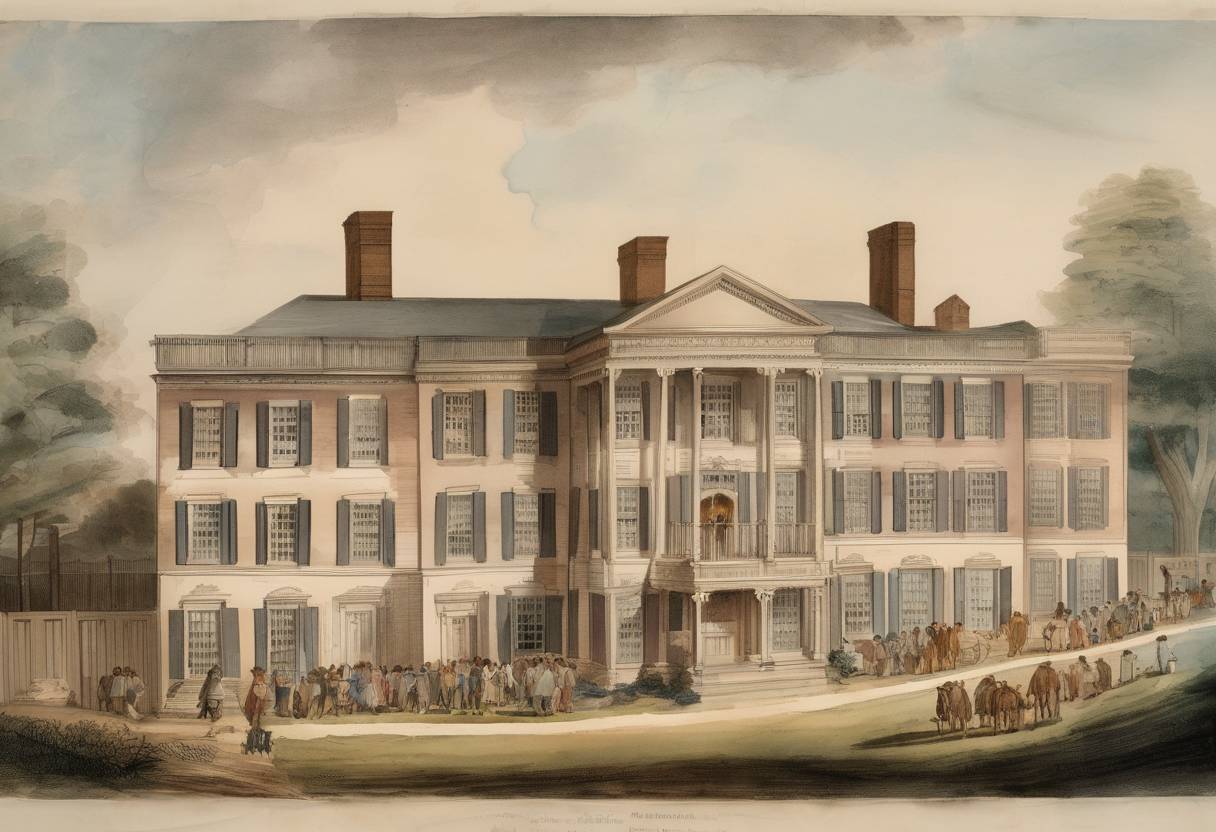
- Enumerators: The census was conducted by U.S. marshals and their assistants, who traveled on horseback or foot to collect data.
- Challenges: Enumerators faced logistical challenges, including difficult terrain and the vast distances between settlements.
Significance and Impact
- Political Representation: The results of the census were used to allocate seats in the House of Representatives, ensuring representation was based on population size.
- Taxation and Policy: The data informed federal taxation and policy decisions, providing a clearer picture of the nation’s demographic and economic landscape.
- Historical Record: The 1790 Census serves as a critical historical record, offering insights into the early American population and its distribution.
Aftermath
- Subsequent Censuses: The success of the 1790 Census established a precedent for future censuses, which have been conducted every ten years since.
- Evolving Methodologies: Over time, the methods and questions of the census have evolved to capture more detailed demographic information.
The first U.S. Census of 1790 was a landmark event that laid the groundwork for the systematic collection of demographic data in the United States, playing a crucial role in shaping the nation’s legislative and policy framework.