Operation Iraqi Freedom: The Beginning of the Iraq War
2003 · Baghdad, Iraq
The United States launched Operation Iraqi Freedom, marking the beginning of the Iraq War, with a coalition of forces invading Iraq to overthrow Saddam Hussein's regime.
March 21, 2003
The United States and coalition forces launched a ground invasion of Iraq, marking the beginning of the Iraq War.
Baghdad, Iraq | United States Armed Forces
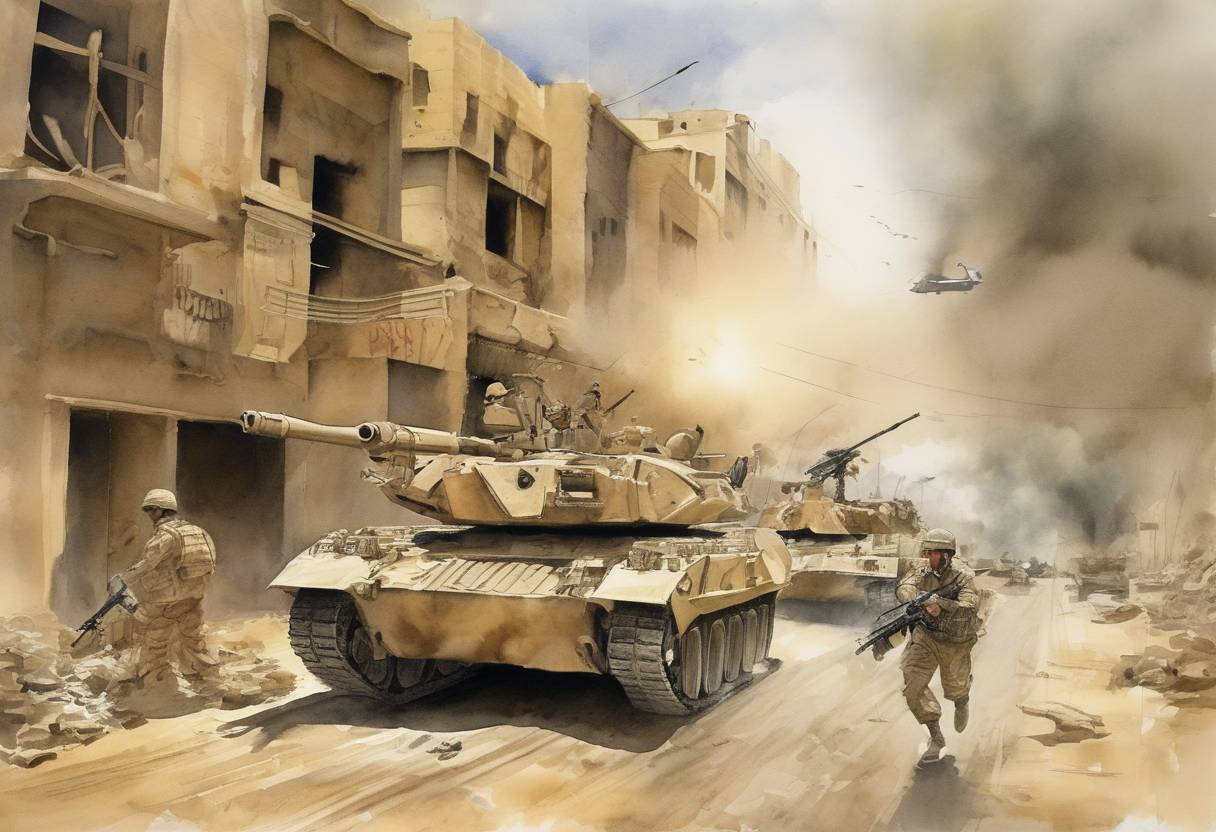
On March 21, 2003, the United States, along with coalition forces, initiated a ground invasion of Iraq, marking the official start of the Iraq War. This military action was a significant moment in early 21st-century geopolitics, with far-reaching consequences.
The Iraq War’s roots can be traced back to the aftermath of the Gulf War in 1991 and the subsequent decade of tensions between Iraq and the international community. Key factors leading to the 2003 invasion include:
Weapons of Mass Destruction (WMDs): The U.S. government, led by President George W. Bush, asserted that Iraq possessed WMDs and posed a significant threat to global security. This claim was central to justifying military action, although later investigations found no substantial stockpiles of such weapons.
UN Resolutions and Inspections: Iraq had been under United Nations sanctions and weapons inspections since the Gulf War. The U.S. and its allies argued that Iraq was not fully cooperating with UN inspectors, violating resolutions intended to ensure disarmament.
Regime Change: The Bush administration also advocated for the removal of Iraqi President Saddam Hussein, whom they accused of supporting terrorism and oppressing the Iraqi people.
The invasion began with a campaign known as “shock and awe,” characterized by intensive aerial bombardment intended to quickly incapacitate Iraqi military capabilities. The ground invasion followed shortly after, involving a coalition primarily composed of U.S. and British forces, with smaller contingents from other nations.
Military Strategy: The coalition forces advanced rapidly, with the primary goal of capturing Baghdad and toppling Saddam Hussein’s regime. The strategy relied on superior technology and mobility to outmaneuver Iraqi forces.
Key Battles: Significant battles occurred in cities such as Basra and Nasiriyah, but the coalition faced relatively light resistance in many areas, leading to the swift fall of Baghdad by early April.
The initial phase of the invasion concluded with the fall of Baghdad and the toppling of Saddam Hussein’s government. However, the aftermath of the invasion proved to be complex and challenging:
Insurgency and Sectarian Violence: The power vacuum and disbandment of the Iraqi army led to widespread insurgency and sectarian violence, complicating efforts to stabilize the country.
Political Repercussions: The war sparked significant international debate and criticism, particularly over the legitimacy of the invasion and the absence of WMDs. It also strained U.S. relations with several countries.
Long-term Impact: The Iraq War had lasting effects on regional stability, U.S. foreign policy, and global perceptions of military intervention. It also contributed to the rise of extremist groups, including ISIS, in the region.
The Iraq War remains a contentious and pivotal event in modern history, with ongoing debates about its justification and legacy.
Source: www.britannica.com