Declaration on the Rights of Indigenous Peoples
2007 · New York City, United States
The United Nations General Assembly adopted the Declaration on the Rights of Indigenous Peoples, which outlines the rights of indigenous peoples globally.
September 14, 2007
The United Nations General Assembly adopted the Declaration on the Rights of Indigenous Peoples.
New York City, United States | United Nations
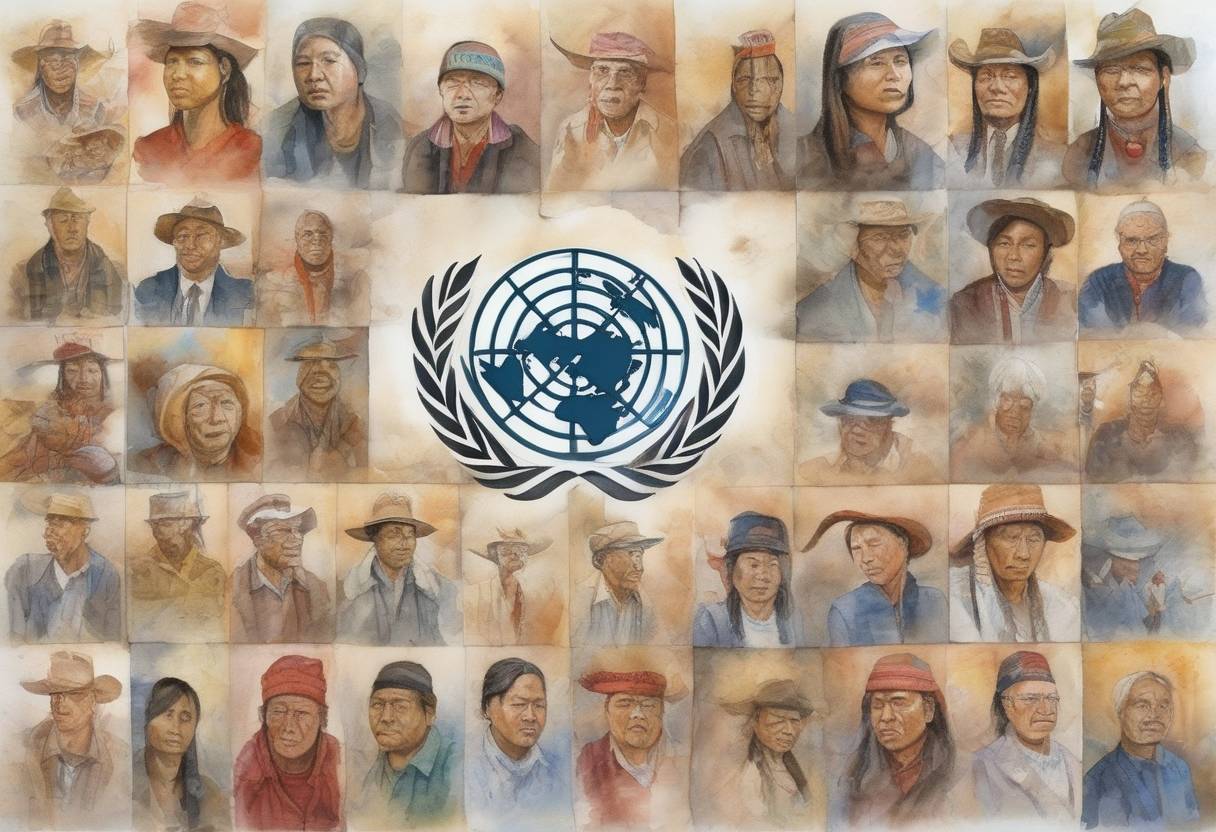
On September 13, 2007, the United Nations General Assembly adopted the Declaration on the Rights of Indigenous Peoples (UNDRIP), marking a significant milestone in the recognition and protection of indigenous peoples’ rights worldwide.
The journey towards the adoption of UNDRIP was long and complex, spanning over two decades of negotiations. The process began in 1982 when the UN established the Working Group on Indigenous Populations. This group was tasked with developing standards to protect indigenous rights, leading to the drafting of the declaration in 1993. The draft underwent numerous revisions and consultations with indigenous representatives, states, and human rights organizations.
The Declaration consists of 46 articles outlining the individual and collective rights of indigenous peoples. Some of the key provisions include:
The declaration was adopted by a majority vote in the General Assembly, with 144 countries in favor, 4 against (Australia, Canada, New Zealand, and the United States), and 11 abstentions. The countries that voted against initially expressed concerns about provisions related to land rights and self-determination, fearing they might conflict with existing national laws.
The adoption of UNDRIP was hailed as a landmark achievement for indigenous rights. It provided a comprehensive framework for addressing the historical injustices faced by indigenous communities and promoting their rights on a global scale. Over time, the countries that initially opposed the declaration have reversed their positions and expressed support, recognizing its importance in fostering reconciliation and promoting human rights.
The declaration has since influenced national and international policies, serving as a guiding document for the protection and promotion of indigenous rights. It has also empowered indigenous communities to advocate for their rights and engage in dialogue with governments and international bodies.
The adoption of the Declaration on the Rights of Indigenous Peoples represents a significant step forward in the global recognition of indigenous rights. It underscores the commitment of the international community to address the challenges faced by indigenous peoples and to promote their dignity, survival, and well-being.
Source: www.un.org