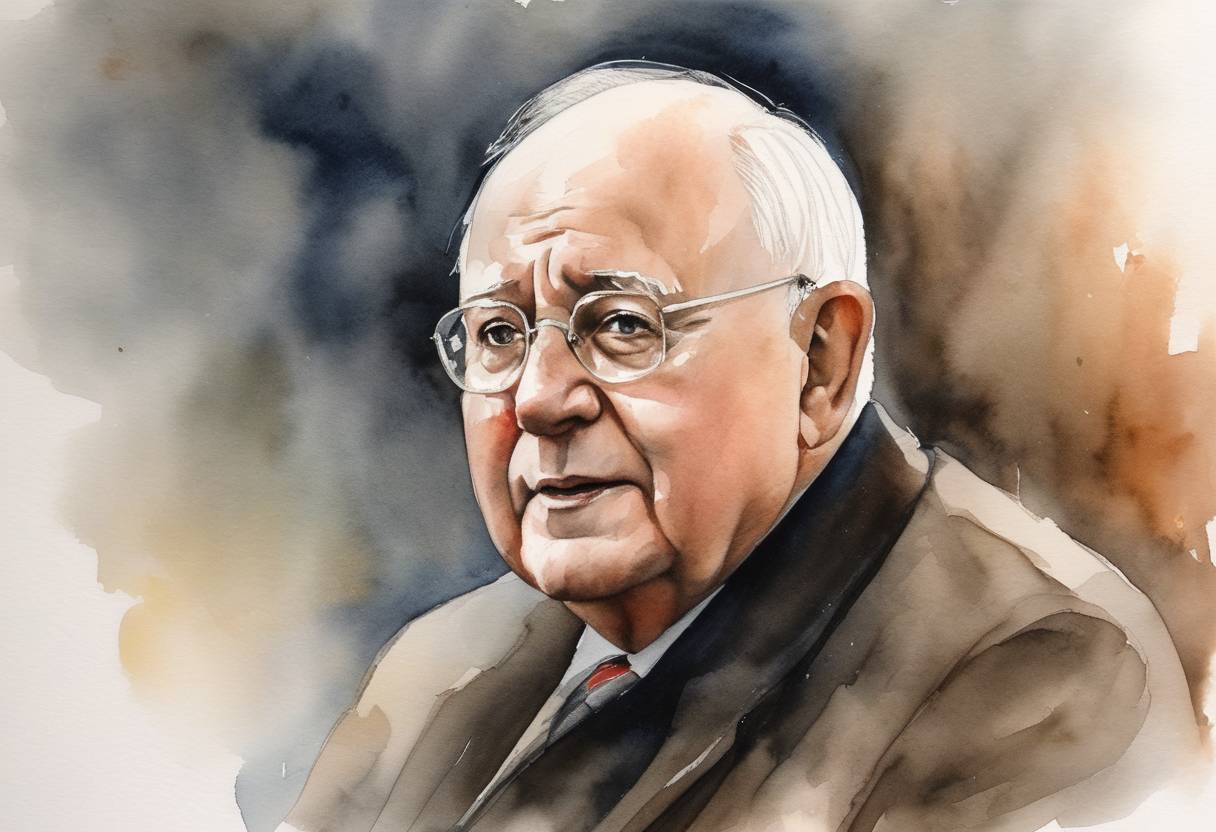
Passing of Mikhail Gorbachev on August 29, 2022
Mikhail Gorbachev, the last leader of the Soviet Union, passed away on August 29, 2022, at the age of 91. He is widely recognized for his pivotal role in the peaceful conclusion of the Cold War and the implementation of significant reform policies that led to the eventual dissolution of the Soviet Union.
Early Life and Rise to Power
Gorbachev was born on March 2, 1931, in Privolnoye, Russia. He joined the Communist Party of the Soviet Union (CPSU) and steadily rose through its ranks. By 1985, he became the General Secretary of the CPSU, marking the beginning of his leadership.
Policies of Glasnost and Perestroika
During his tenure, Gorbachev introduced two key policies:
Glasnost (Openness): This policy aimed at increasing transparency in government institutions and reducing the censorship that had been pervasive under previous administrations. By allowing more freedom of expression and openness of information, it encouraged political discussion and participation among Soviet citizens.
Perestroika (Restructuring): This aimed to reform the stagnant Soviet economy by introducing elements of market economics, reducing state control over businesses, and encouraging private ownership. These economic reforms were intended to boost efficiency and revitalize the Soviet economy, which was struggling with stagnation and inefficiency.
Impact on the Cold War
Gorbachev’s leadership was instrumental in easing tensions between the Soviet Union and the West. He engaged in summit meetings with U.S. President Ronald Reagan, where they negotiated arms reduction agreements, including the Intermediate-Range Nuclear Forces Treaty in 1987. His foreign policy approach significantly lowered the threat of nuclear conflict that had loomed over the Cold War era.
The Dissolution of the Soviet Union
While Gorbachev’s reforms were designed to invigorate the Soviet system, they inadvertently set in motion a series of events that led to its collapse. The increased openness encouraged nationalist movements within various Soviet republics, eventually leading to their push for independence. In December 1991, the Soviet Union was formally dissolved, marking the end of Gorbachev’s political career and a significant reshaping of the global political landscape.
Legacy
Despite the mixed outcomes of his policies, Gorbachev remains a significant figure in world history. His efforts to reform the Soviet Union and his role in the Cold War’s peaceful resolution earned him the Nobel Peace Prize in 1990. He is remembered for his commitment to openness, dialogue, and peace, leaving a lasting legacy on international relations.