1763 · Paris, France
The Treaty of Paris is signed, ending the Seven Years' War and marking the beginning of British dominance outside Europe.
May 15, 1756
The Seven Years' War began when England declared war on France, marking the start of a global conflict involving most of the great powers.
London, England | British Crown
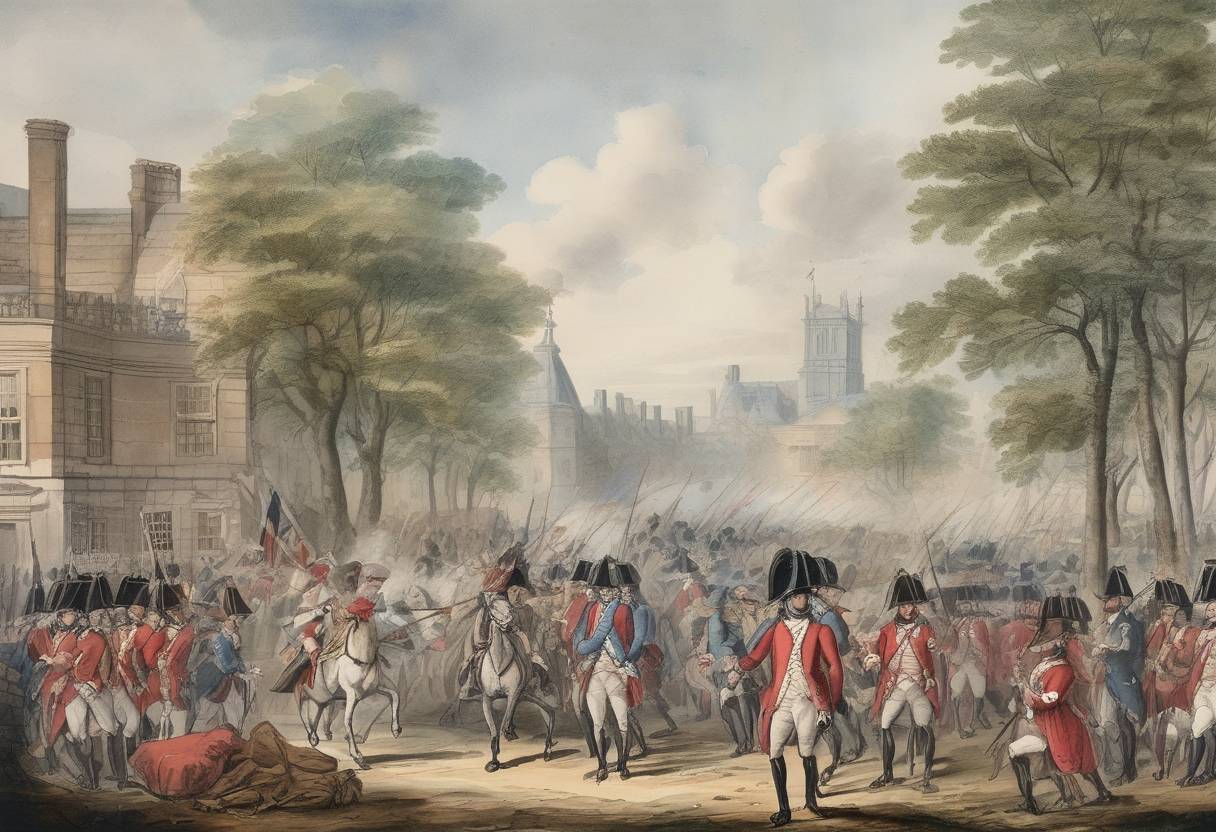
On May 15, 1756, England formally declared war on France, marking the official start of the Seven Years’ War, a global conflict that involved most of the great powers of the time. This war is often considered the first “world war” due to its extensive reach across continents, affecting Europe, North America, South America, Africa, and Asia.
The Seven Years’ War was rooted in the ongoing struggle for colonial dominance and territorial expansion between European powers. Tensions had been escalating due to:
Colonial Rivalries: The British and French were competing for control over territories in North America, the Caribbean, and India. The conflict in North America, known as the French and Indian War (1754-1763), was already underway before the formal declaration of war.
European Power Struggles: In Europe, the war was fueled by the shifting alliances and rivalries. The Diplomatic Revolution of 1756 saw traditional enemies, such as France and Austria, forming alliances against Britain and Prussia.
Previous Conflicts: The War of the Austrian Succession (1740-1748) had left unresolved tensions, particularly between Prussia and Austria, which would play a significant role in the European theater of the Seven Years’ War.
Skirmishes in North America: The conflict in North America had already begun with skirmishes between British and French forces, notably the Battle of Jumonville Glen in 1754, which saw a young George Washington involved in military action against the French.
Naval Engagements: Prior to the official declaration, there were naval confrontations between British and French ships, as both nations sought to protect their trade routes and colonial interests.
On May 15, 1756, Britain declared war on France, formalizing the hostilities that had been brewing. This declaration marked the beginning of a conflict that would last until 1763, involving major battles on multiple continents.
Global Impact: The Seven Years’ War had far-reaching consequences, reshaping the global balance of power. Britain emerged as the dominant colonial power, gaining significant territories, including Canada and Florida, while France ceded Louisiana to Spain.
Economic Strain: The war was costly for all involved, leading to significant national debts. This financial strain contributed to political and social unrest, particularly in France, setting the stage for the French Revolution.
Treaty of Paris (1763): The war concluded with the Treaty of Paris, which redrew the map of colonial possessions and established a new order in Europe and the Americas.
The Seven Years’ War was a pivotal moment in world history, influencing the geopolitical landscape and setting the stage for future conflicts, including the American Revolutionary War. Its legacy is seen in the enduring impact on international relations and colonial policies.
Source: en.wikipedia.org