Capture of Mullaitivu by Sri Lankan Government Forces
2009 · Mullaitivu, Sri Lanka
The Sri Lankan government announces the capture of Mullaitivu, the last stronghold of the Liberation Tigers of Tamil Eelam (LTTE).
May 17, 2009
Sri Lankan government declared victory over the Liberation Tigers of Tamil Eelam (LTTE), ending a 26-year civil war.
Colombo, Sri Lanka | Government of Sri Lanka
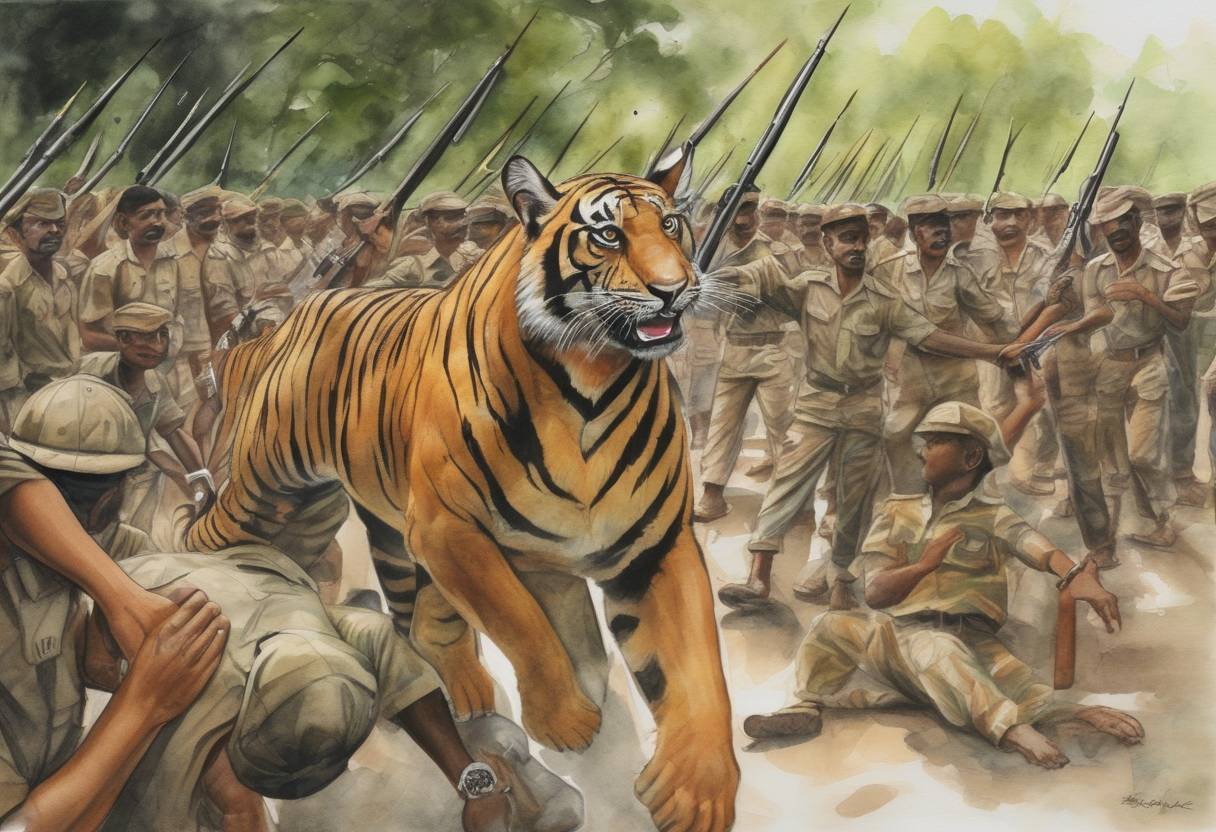
On May 17, 2009, the Sri Lankan government officially declared victory over the Liberation Tigers of Tamil Eelam (LTTE), marking the end of a brutal 26-year civil war. This conflict, one of the longest-running civil wars in Asia, had profound impacts on Sri Lanka’s political, social, and economic landscape.
The civil war in Sri Lanka began in 1983, rooted in ethnic tensions between the majority Sinhalese population and the minority Tamil community. The LTTE, also known as the Tamil Tigers, sought to create an independent Tamil state in the north and east of the island, citing discrimination and marginalization by successive Sinhalese-dominated governments.
2006-2009 Military Offensive: The Sri Lankan government, led by President Mahinda Rajapaksa, launched a decisive military campaign against the LTTE in 2006. This offensive intensified over the next three years, with the Sri Lankan military gradually capturing LTTE-held territories.
Humanitarian Concerns: The final stages of the conflict saw significant humanitarian concerns, with thousands of civilians trapped in the war zone. Reports of civilian casualties and human rights violations emerged, drawing international attention and criticism.
Capture of LTTE Strongholds: By early 2009, the Sri Lankan military had captured key LTTE strongholds, including Kilinochchi, the de facto capital of the Tamil Tigers. The LTTE leadership was cornered in a small area in the northeastern part of the country.
On May 17, 2009, the Sri Lankan government announced that it had defeated the LTTE. The announcement came after the death of LTTE leader Velupillai Prabhakaran and other senior leaders, effectively dismantling the organization’s command structure.
Humanitarian Impact: The war resulted in significant loss of life, with estimates of up to 100,000 people killed. The conflict also displaced hundreds of thousands, many of whom faced dire conditions in refugee camps.
Reconstruction and Reconciliation: Post-war, the Sri Lankan government focused on reconstruction and development, particularly in the war-torn Northern and Eastern provinces. However, reconciliation between the Sinhalese and Tamil communities remains a complex and ongoing challenge.
International Reactions: The end of the war was met with mixed reactions internationally. While some countries praised the defeat of the LTTE, others criticized the Sri Lankan government for alleged human rights abuses during the final stages of the conflict.
The end of the Sri Lankan civil war marked a significant turning point in the country’s history. It brought an end to decades of violence and opened opportunities for economic development and political stability. However, the legacy of the conflict continues to influence Sri Lanka’s social and political dynamics, with ongoing calls for accountability and justice for wartime atrocities.
The events of May 17, 2009, remain a pivotal moment in Sri Lanka’s journey towards peace and reconciliation, highlighting the challenges of addressing deep-seated ethnic divisions and the importance of inclusive governance.
Source: www.bbc.com