Sentencing of Radovan Karadžić by the ICTY
2016 · The Hague, Netherlands
The International Criminal Tribunal for the former Yugoslavia sentenced Radovan Karadžić to 40 years in prison for genocide and war crimes.
February 12, 2002
The trial of former Yugoslav President Slobodan Milošević began at the International Criminal Tribunal for the former Yugoslavia (ICTY) in The Hague. He faced charges of crimes against humanity, war crimes, and genocide related to the wars in Bosnia, Croatia, and Kosovo.
The Hague, Netherlands | International Criminal Tribunal for the former Yugoslavia
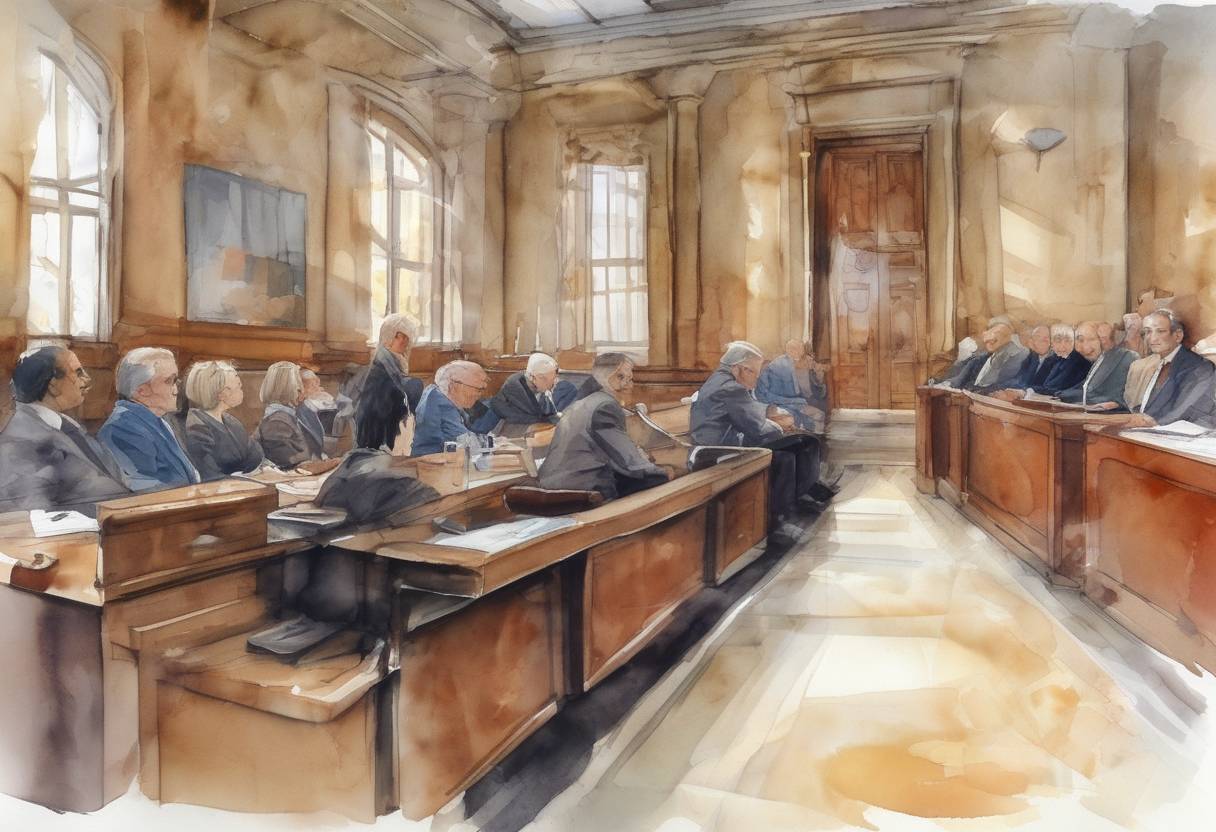
On February 12, 2002, the trial of Slobodan Milošević, the former President of Yugoslavia, commenced at the International Criminal Tribunal for the former Yugoslavia (ICTY) in The Hague. This trial was a landmark event in international law, as Milošević was the first sitting head of state to be charged with war crimes.
Slobodan Milošević rose to power in the late 1980s and became a central figure in the Yugoslav Wars, which erupted following the disintegration of the Socialist Federal Republic of Yugoslavia. The conflicts were marked by severe ethnic tensions and resulted in widespread atrocities.
Milošević faced 66 counts of crimes, including:
The trial was notable for several reasons:
The trial was ongoing when Milošević died of a heart attack on March 11, 2006, before a verdict could be reached. His death left many questions unresolved and sparked debates about the effectiveness of international tribunals.
The trial of Slobodan Milošević remains a pivotal moment in the pursuit of international justice, reflecting both the challenges and the necessity of holding leaders accountable for their actions during conflicts.
Source: www.icty.org