Marcos Pontes: First Brazilian Astronaut in Space
2006 · Baikonur, Kazakhstan
Marcos Pontes became the first Brazilian astronaut to go to space, launching aboard Soyuz TMA-8 to the International Space Station.
April 28, 2001
Dennis Tito became the first space tourist, launching aboard the Russian Soyuz TM-32 mission to the International Space Station.
Baikonur, Kazakhstan | Roscosmos
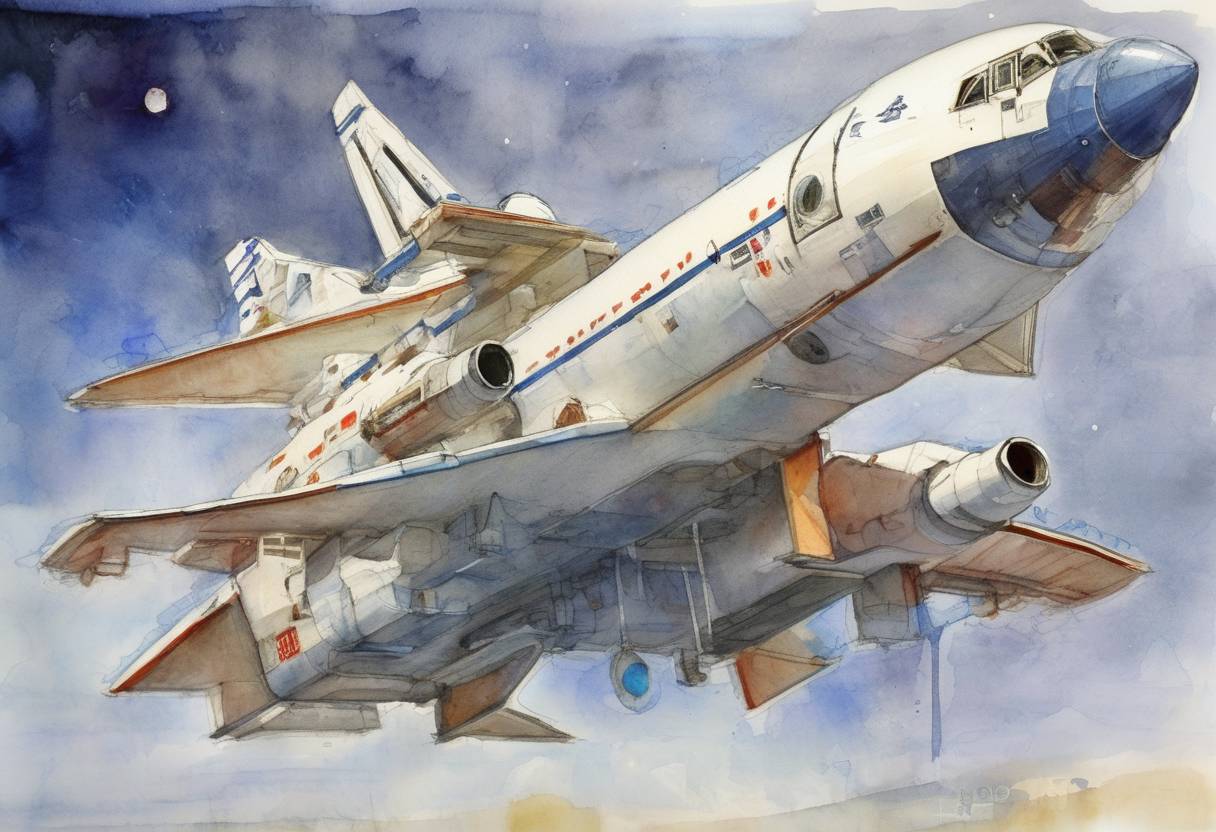
On April 28, 2001, Dennis Tito made history by becoming the first space tourist, embarking on a journey aboard the Russian Soyuz TM-32 mission to the International Space Station (ISS). This event marked a significant milestone in the commercialization of space travel and opened the door for private individuals to experience spaceflight.
Dennis Tito, an American engineer and multimillionaire, had long harbored a passion for space exploration. Before his venture into space tourism, Tito had a successful career in finance and investment, founding Wilshire Associates, a prominent investment management firm. His background in aerospace engineering and his financial success enabled him to pursue his dream of traveling to space.
The Soyuz TM-32 mission was launched from the Baikonur Cosmodrome in Kazakhstan, a historic launch site used for numerous Soviet and Russian space missions. The spacecraft was part of the Soyuz program, which has been a reliable workhorse for crewed space missions since the 1960s.
Dennis Tito’s journey to the ISS was facilitated by Space Adventures, a private spaceflight company that brokered the arrangement with the Russian space agency, Roscosmos. Tito reportedly paid $20 million for the opportunity to spend approximately eight days in space, including six days aboard the ISS.
Before the mission, Tito underwent extensive training at the Yuri Gagarin Cosmonaut Training Center in Star City, Russia. This preparation included learning Russian, understanding the Soyuz spacecraft systems, and undergoing physical and technical training to ensure his readiness for the mission.
Dennis Tito’s successful mission as the first space tourist had several significant implications:
Commercial Space Travel: Tito’s journey demonstrated the feasibility of commercial space travel, paving the way for future private spaceflights and the burgeoning space tourism industry.
Public Interest: The mission captured the public’s imagination, highlighting the potential for ordinary citizens, beyond professional astronauts and cosmonauts, to experience space travel.
Partnerships: The collaboration between Space Adventures and Roscosmos showcased the potential for international partnerships in space exploration, particularly in the realm of commercial ventures.
Following his return to Earth, Dennis Tito became an advocate for space tourism and the democratization of space access. His pioneering journey inspired other wealthy individuals to pursue similar experiences, leading to subsequent space tourists visiting the ISS in the years that followed.
In summary, Dennis Tito’s flight on April 28, 2001, was a landmark event in the history of space exploration, marking the beginning of a new era where space travel became accessible to private individuals, setting the stage for the future of commercial spaceflight.
Source: www.nasa.gov