Publication of *Pride and Prejudice* by Jane Austen
1813 · London, United Kingdom
Pride and Prejudice by Jane Austen is first published in the United Kingdom.
March 11, 1818
Mary Shelley's novel 'Frankenstein; or, The Modern Prometheus' was published anonymously in London.
London, England | Lackington, Hughes, Harding, Mavor & Jones
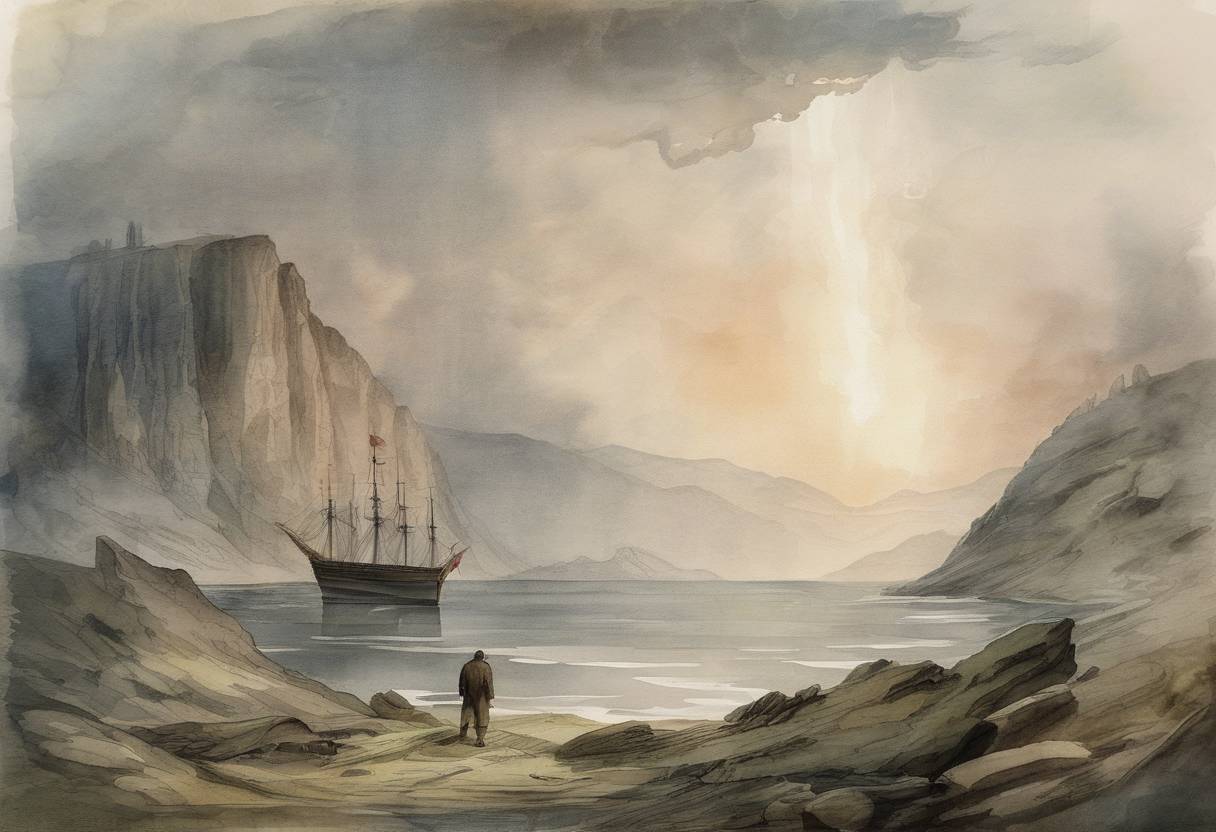
On March 11, 1818, Mary Shelley’s novel Frankenstein; or, The Modern Prometheus was published anonymously in London. This seminal work of Gothic fiction and early science fiction was released by the small publishing house Lackington, Hughes, Harding, Mavor & Jones. The novel’s initial publication did not bear Shelley’s name, a common practice for women writers of the time, and instead credited the work to “The Author of The Last Man,” a novel that Shelley would write later.
Mary Shelley began writing Frankenstein in 1816, during a summer spent near Geneva, Switzerland, with her future husband Percy Bysshe Shelley, Lord Byron, and other companions. The idea for the novel arose from a storytelling challenge proposed by Byron, where each guest was to write a ghost story. Inspired by contemporary scientific experiments and philosophical discussions about the nature of life, Shelley crafted a story that explored themes of creation, ambition, and the consequences of playing God.
Frankenstein tells the story of Victor Frankenstein, a young scientist who creates a sentient creature in an unorthodox scientific experiment. The novel is structured as a series of nested narratives, with the primary story being recounted by Victor to an explorer named Robert Walton. The creature, often mistakenly referred to as “Frankenstein,” is a complex character who seeks acceptance and understanding but faces rejection and isolation, leading to tragic consequences.
Upon its release, Frankenstein received mixed reviews but gradually gained recognition for its innovative exploration of themes such as the dangers of unchecked scientific ambition, the quest for knowledge, and the ethical responsibilities of creators. The novel is often considered one of the earliest examples of science fiction and has been interpreted through various lenses, including feminist, psychoanalytic, and post-colonial perspectives.
Mary Shelley’s work has left a lasting legacy, influencing countless adaptations in literature, film, and other media. The novel’s exploration of the human condition and the moral implications of scientific advancement continues to resonate with audiences today.
The novel’s success eventually led to Mary Shelley’s recognition as its author. Subsequent editions of Frankenstein included her name, and she went on to have a prolific writing career. The story of Frankenstein and its themes remain relevant, prompting ongoing discussions about the ethical dimensions of scientific exploration and the responsibilities of creators in the modern world.
Source: en.wikipedia.org