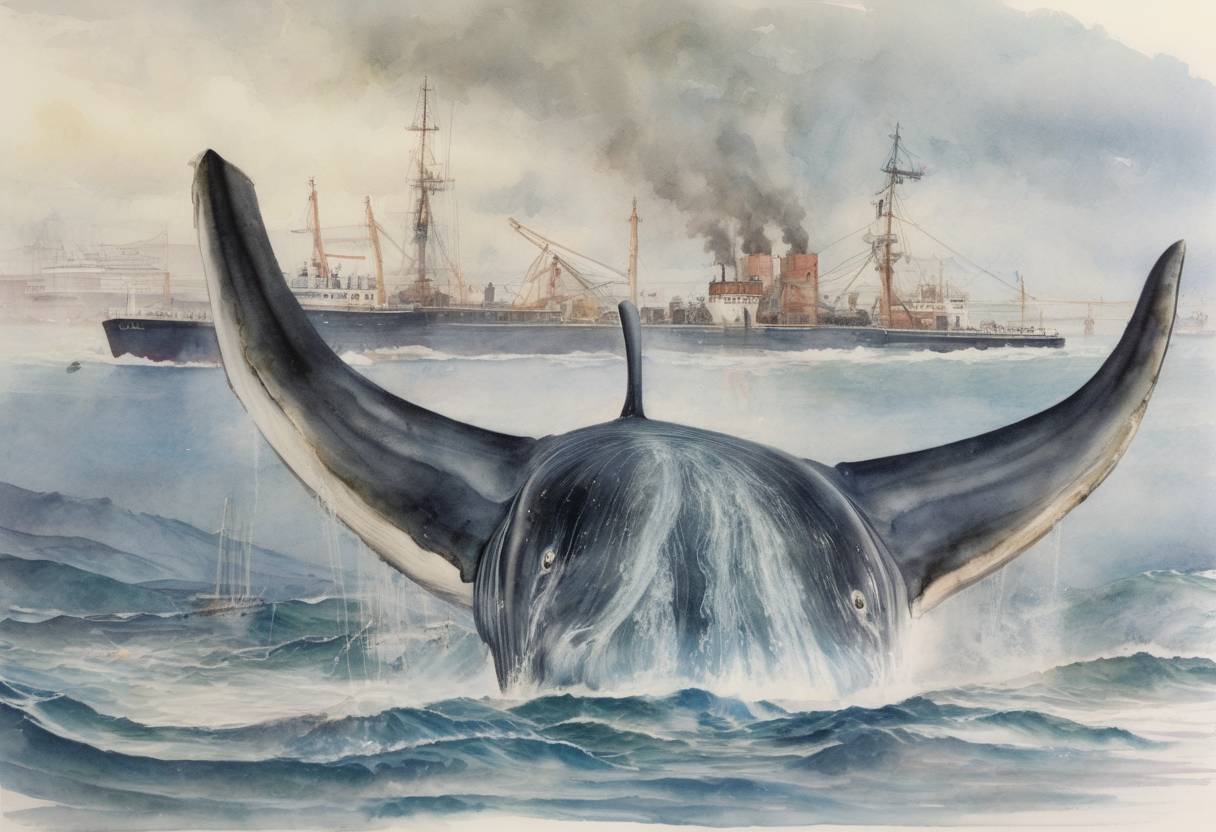
International Whaling Commission’s Decision to End Commercial Whaling
On July 23, 1982, the International Whaling Commission (IWC) made a landmark decision to end commercial whaling by the 1985-86 season. This decision marked a significant turning point in global conservation efforts aimed at protecting whale populations, which had been severely depleted due to extensive hunting.
Background
The IWC was established in 1946 under the International Convention for the Regulation of Whaling, with the primary goal of providing for the proper conservation of whale stocks and thus making possible the orderly development of the whaling industry. However, by the late 20th century, it became increasingly clear that many whale species were facing the threat of extinction due to overexploitation.
Key Events Leading to the Decision
Growing Conservation Movement: Throughout the 1970s, there was a growing global awareness and concern about the environmental impact of human activities, including whaling. Environmental groups and activists campaigned vigorously for the protection of whales, highlighting their declining numbers and the need for sustainable practices.
Scientific Evidence: Studies and reports presented to the IWC showed alarming declines in whale populations. This scientific evidence played a crucial role in persuading member countries of the urgent need to impose a moratorium on commercial whaling.
International Pressure: Countries with strong environmental lobbies, such as the United States and the United Kingdom, exerted significant pressure on the IWC to adopt stricter regulations to protect whales.
The Decision
The IWC’s decision to impose a moratorium on commercial whaling was adopted by a vote of 25 to 7, with 5 abstentions. The moratorium was set to take effect in the 1985-86 whaling season, allowing member countries time to adjust to the new regulations.
Aftermath and Consequences
Impact on Whaling Nations: The decision was met with resistance from countries with a strong tradition of whaling, such as Japan, Norway, and Iceland. These nations argued that whaling was an integral part of their cultural heritage and economic livelihood.
Continued Whaling: Despite the moratorium, some countries continued whaling under objections and reservations to the IWC’s decision or by exploiting loopholes, such as conducting whaling for scientific research purposes.
Conservation Success: The moratorium is widely regarded as a success in terms of conservation, as it has allowed several whale species to recover from the brink of extinction. It also set a precedent for international cooperation in wildlife conservation.
Broader Historical Significance
The 1982 decision by the IWC is a pivotal moment in environmental history, illustrating the power of international cooperation and advocacy in addressing global conservation challenges. It highlights the ongoing tension between economic interests and environmental protection, a theme that continues to resonate in contemporary environmental policy debates.
Overall, the IWC’s decision to end commercial whaling represents a significant achievement in the global effort to preserve marine biodiversity and protect endangered species.