Assassination of Martin Luther King Jr. - April 4, 1968
1968 · Memphis, United States
Civil rights leader Martin Luther King Jr. is assassinated at the Lorraine Motel in Memphis, Tennessee, leading to nationwide riots and a period of mourning.
April 3, 1968
Martin Luther King Jr. delivered his famous "I've Been to the Mountaintop" speech in Memphis, Tennessee, the day before his assassination.
Memphis, United States | Southern Christian Leadership Conference
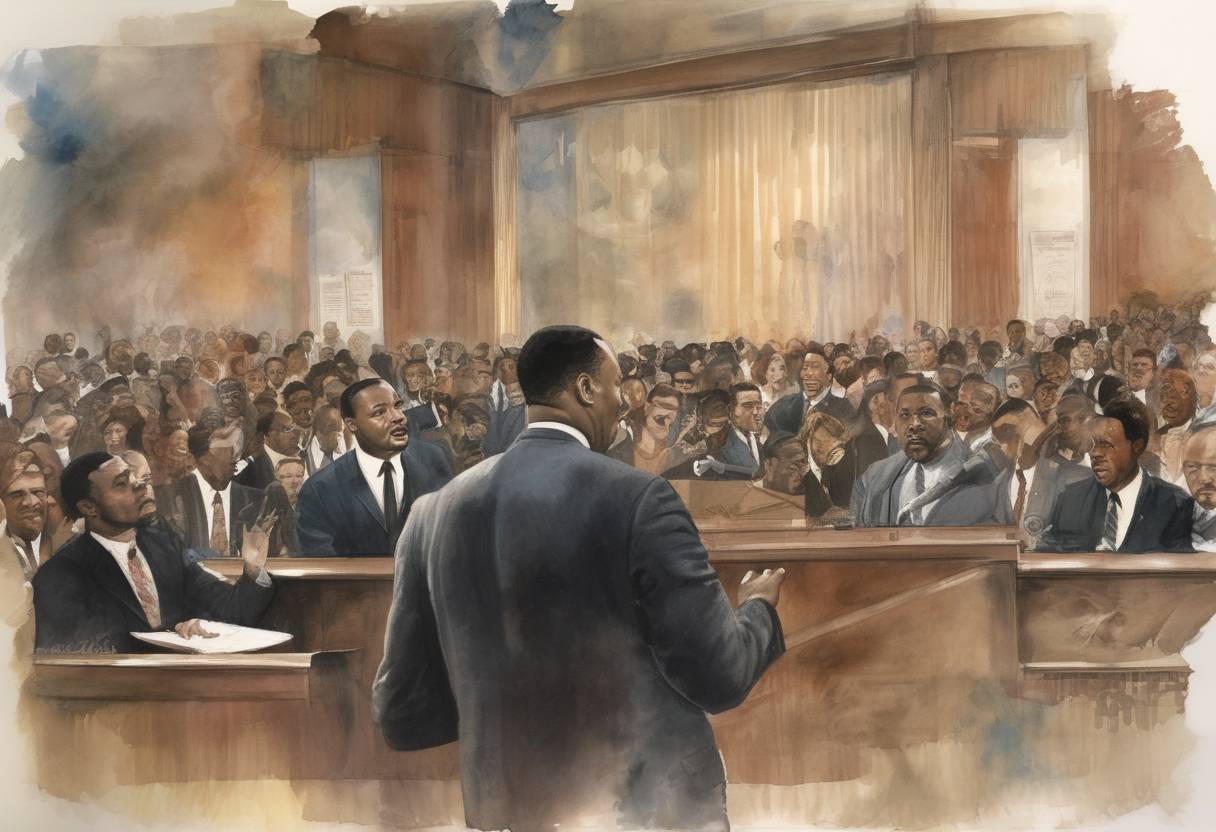
On April 3, 1968, Dr. Martin Luther King Jr. delivered his poignant and prophetic “I’ve Been to the Mountaintop” speech at the Mason Temple in Memphis, Tennessee. This speech would become one of his most famous, not only for its powerful rhetoric but also because it was his last public address before his assassination the following day.
Dr. King was in Memphis to support the city’s sanitation workers, who were on strike for better wages and working conditions. The strike had begun in February 1968, following years of poor treatment and the tragic deaths of two workers, Echol Cole and Robert Walker, due to unsafe working conditions. The sanitation workers, predominantly African American, were demanding recognition of their union and improvements in their working environment.
In his speech, King addressed several critical themes:
Solidarity and Economic Justice: King emphasized the importance of economic justice and the power of collective action. He encouraged the audience to continue supporting the sanitation workers and to use economic pressure as a tool for social change.
Nonviolent Protest: He reiterated his commitment to nonviolent protest, urging the audience to maintain peaceful demonstrations despite the challenges they faced.
Divine Providence and Personal Reflection: King reflected on his life and the civil rights movement, expressing a sense of divine purpose. He spoke of the struggles and triumphs of the movement, drawing parallels to biblical narratives.
Prophetic Vision: In a particularly moving section, King alluded to the possibility of his own death. He spoke of having “been to the mountaintop” and having seen the “Promised Land,” expressing confidence that the movement would succeed, even if he did not live to see it.
The following day, April 4, 1968, Dr. King was assassinated at the Lorraine Motel in Memphis. His death was a profound loss for the civil rights movement and sparked nationwide mourning and unrest.
The “I’ve Been to the Mountaintop” speech is remembered for its emotional depth and foresight. It encapsulated King’s unwavering dedication to justice and equality and his belief in the power of collective action and nonviolence. The speech continues to inspire activists and leaders around the world, serving as a testament to King’s enduring legacy in the fight for civil rights and social justice.
Source: www.history.com