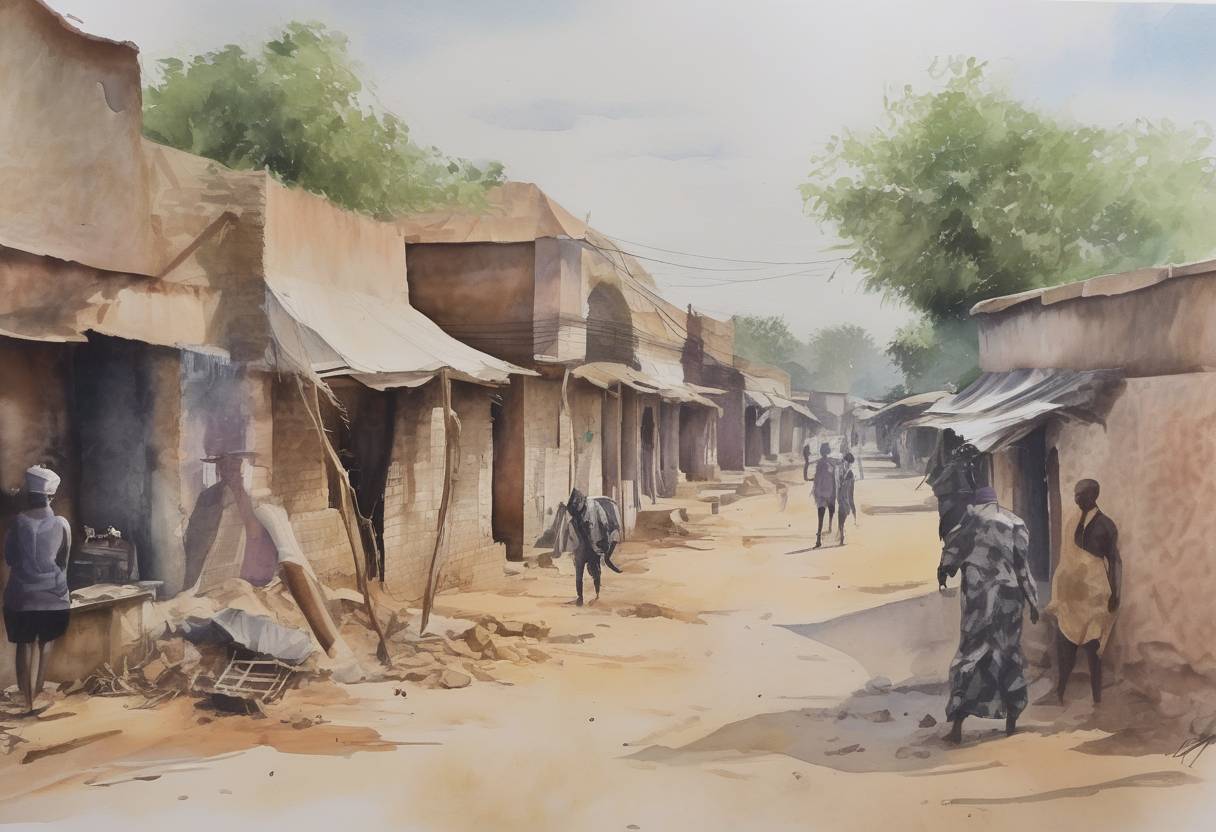
The Attack on Baga by Boko Haram - January 5, 2015
On January 5, 2015, the Nigerian town of Baga, located in the northeastern state of Borno, experienced a devastating attack by the militant group Boko Haram. This assault is considered one of the deadliest in the group’s history, resulting in significant loss of life and widespread displacement.
Background
Boko Haram, an extremist group founded in 2002, has been engaged in an insurgency against the Nigerian government since 2009. Their aim is to establish an Islamic state in Nigeria, and they have been notorious for their brutal tactics, including bombings, assassinations, and abductions. The group gained international notoriety in 2014 with the kidnapping of over 200 schoolgirls from Chibok.
The Attack
- Date: January 5, 2015
- Location: Baga, Borno State, Nigeria
- Perpetrators: Boko Haram militants
Key Events
Initial Assault: The attack on Baga began with Boko Haram fighters storming the town, overwhelming local security forces. The militants used heavy weaponry, including rocket-propelled grenades and machine guns.
Mass Casualties: Reports on the number of casualties vary, but estimates suggest that hundreds, possibly up to 2,000 people, were killed. The exact number remains uncertain due to the chaos and the remote location of the town.
Destruction and Displacement: The militants set fire to homes and buildings, causing widespread destruction. Thousands of residents fled, many seeking refuge in neighboring Chad or other parts of Nigeria. The attack resulted in a humanitarian crisis, with a significant number of internally displaced persons (IDPs).
Capture of Military Base: Boko Haram also targeted a nearby military base, which was part of the Multinational Joint Task Force (MNJTF), a coalition of forces from Nigeria, Chad, Niger, and Cameroon. The base’s capture further demonstrated the group’s growing strength and reach.
Aftermath and Consequences
Humanitarian Impact: The attack exacerbated the humanitarian situation in the region, with thousands of people in need of food, shelter, and medical care. Aid organizations faced challenges in accessing the area due to security concerns.
Military Response: In the wake of the attack, the Nigerian government, along with regional partners, intensified military operations against Boko Haram. This included efforts to reclaim lost territories and protect vulnerable communities.
International Attention: The scale of the attack drew international condemnation and highlighted the ongoing threat posed by Boko Haram. It underscored the need for a coordinated regional and international response to combat the insurgency.
Broader Historical Significance
The attack on Baga was a stark reminder of the challenges faced by Nigeria and its neighbors in addressing the threat of Boko Haram. It highlighted the group’s capacity for violence and the urgent need for comprehensive strategies to address the root causes of extremism, including poverty, unemployment, and lack of education.
The events in Baga continue to influence security policies and humanitarian efforts in the region, as stakeholders work towards restoring stability and rebuilding affected communities.