United Nations General Assembly 73rd Session - September 27, 2018
2018 · New York City, United States
The United Nations General Assembly held its 73rd session, where global leaders discussed pressing international issues.
February 22, 2018
The United Nations Security Council held a meeting to discuss the humanitarian crisis in Eastern Ghouta, Syria, where intense fighting had led to severe civilian casualties and suffering.
New York City, United States | United Nations
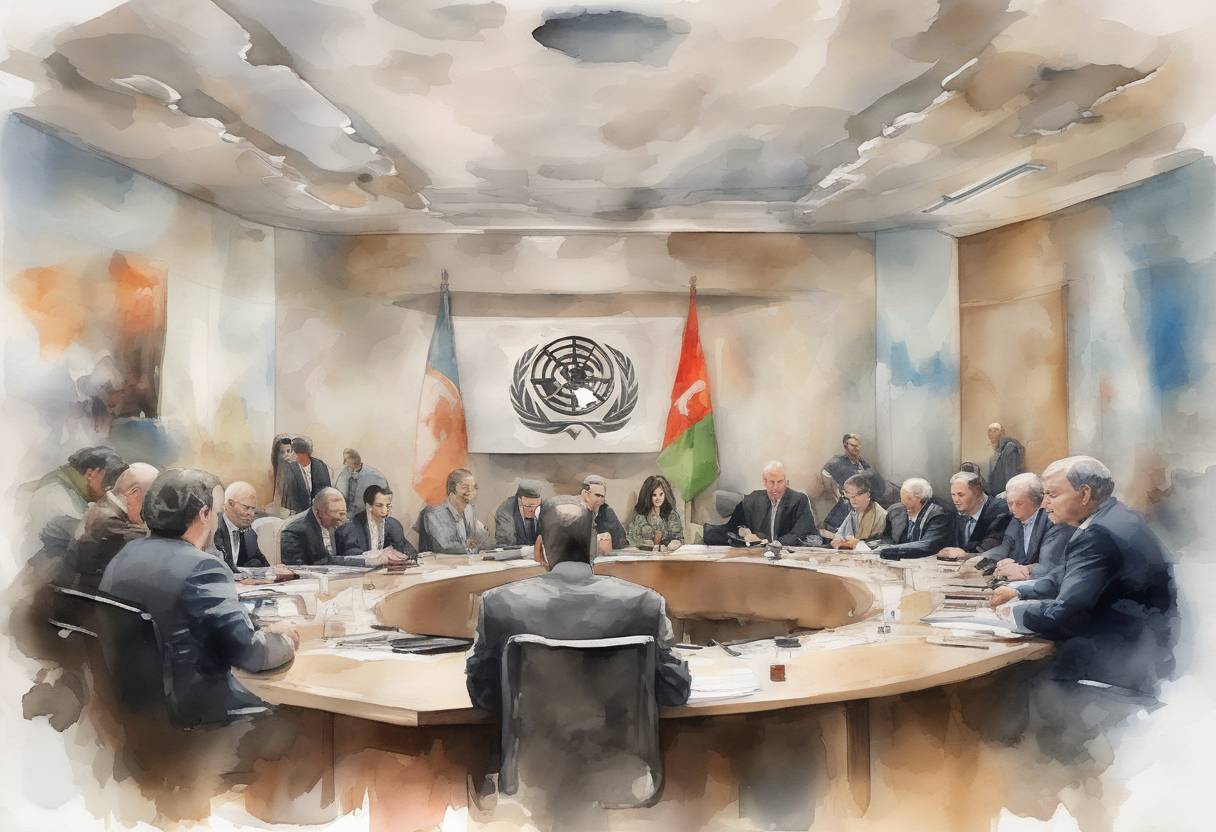
On February 22, 2018, the United Nations Security Council (UNSC) convened to address the dire humanitarian crisis unfolding in Eastern Ghouta, Syria. This meeting was a response to the escalating violence and severe civilian suffering in the region, which had drawn international condemnation and urgent calls for action.
Eastern Ghouta, a suburb of Damascus, had been under siege by Syrian government forces since 2013. By early 2018, the situation had deteriorated significantly, with intense fighting between Syrian government forces and rebel groups. The area was home to approximately 400,000 civilians who were trapped and facing acute shortages of food, medicine, and other essential supplies.
The escalation in violence in February 2018 saw a dramatic increase in airstrikes and artillery shelling by Syrian government forces, leading to a high number of civilian casualties. Reports from humanitarian organizations and media outlets highlighted the severe impact on civilians, including women and children, who were caught in the crossfire.
Humanitarian Concerns: The UNSC meeting focused on the urgent need to address the humanitarian crisis. Members discussed the catastrophic conditions faced by civilians, including the lack of access to medical care and the dire need for humanitarian aid.
Call for Ceasefire: There was a strong push for an immediate ceasefire to allow for the delivery of humanitarian assistance and the evacuation of the critically wounded. The UNSC deliberated on a draft resolution that called for a 30-day ceasefire across Syria.
International Response: The meeting underscored the international community’s responsibility to protect civilians and uphold international humanitarian law. Several member states expressed their condemnation of the violence and urged all parties to the conflict to adhere to the proposed ceasefire.
Diplomatic Efforts: The meeting highlighted ongoing diplomatic efforts to broker peace and facilitate negotiations between the Syrian government and opposition groups. The UNSC emphasized the importance of a political solution to the conflict.
Following the meeting, on February 24, 2018, the UNSC unanimously adopted Resolution 2401, which demanded a 30-day ceasefire across Syria to enable humanitarian aid deliveries and medical evacuations. However, the implementation of the ceasefire faced significant challenges, with reports of continued hostilities in Eastern Ghouta.
The humanitarian crisis in Eastern Ghouta remained a focal point of international concern, and the events of early 2018 highlighted the complexities and difficulties in achieving peace and stability in Syria. The situation underscored the need for sustained international engagement and support for a political resolution to the Syrian conflict.
The UNSC meeting on February 22, 2018, was a critical moment in the international community’s efforts to address the humanitarian crisis in Eastern Ghouta, reflecting the broader challenges of conflict resolution and humanitarian intervention in Syria.
Source: www.un.org