Bangladesh Declares Independence from Pakistan
1971 · Dhaka, Bangladesh
Bangladesh declares its independence from Pakistan, marking the start of the Bangladesh Liberation War.
February 21, 1952
The Language Movement Day, also known as Martyrs' Day, was observed in Bangladesh to commemorate the Bengali Language Movement and the deaths of students during protests in 1952.
Dhaka, Bangladesh | Bengali Language Movement
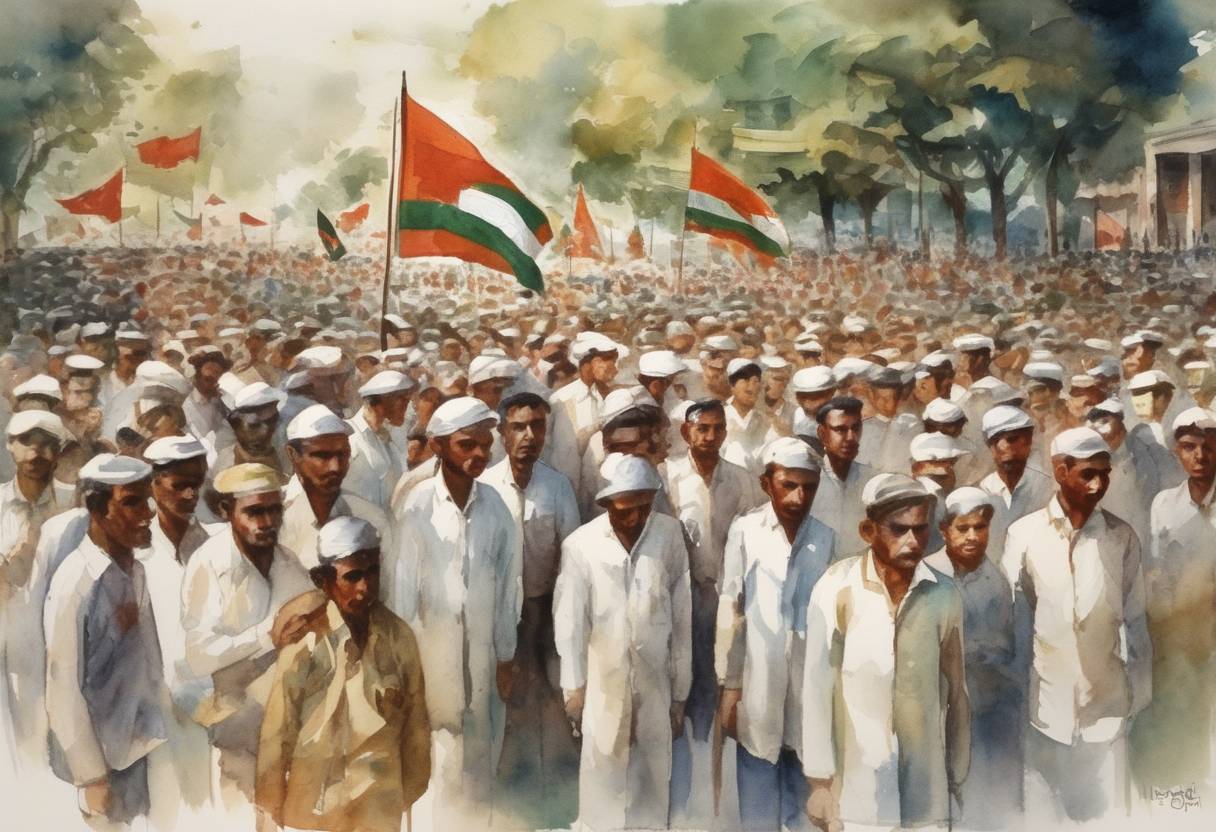
The Language Movement Day, also known as Martyrs’ Day, is a significant observance in Bangladesh, commemorating the Bengali Language Movement and the tragic events of February 21, 1952. This day marks a pivotal moment in the country’s history, highlighting the struggle for linguistic and cultural identity.
Following the partition of India in 1947, the newly formed state of Pakistan was divided into two geographically and culturally distinct regions: West Pakistan (present-day Pakistan) and East Pakistan (now Bangladesh). Despite the majority of Pakistan’s population residing in East Pakistan, the government declared Urdu as the sole national language in 1948. This decision was met with strong opposition in East Pakistan, where Bengali was the mother tongue of the majority.
The Bengali Language Movement began as a response to the imposition of Urdu, with students and intellectuals leading the charge for the recognition of Bengali as an official language. The movement gained momentum over the years, with increasing demands for linguistic rights and cultural recognition.
On February 21, 1952, students from the University of Dhaka and other educational institutions organized a protest in Dhaka, defying a government-imposed ban on public gatherings. The protest aimed to demand the recognition of Bengali as one of the state languages of Pakistan.
The peaceful demonstration turned tragic when police opened fire on the protesters, resulting in the deaths of several students, including Abul Barkat, Abdul Jabbar, Rafiq Uddin Ahmed, Abdus Salam, and Shafiur Rahman. These individuals became martyrs for the cause of linguistic and cultural rights.
The events of February 21, 1952, galvanized the Bengali population and intensified the demand for linguistic and cultural recognition. The movement eventually led to the recognition of Bengali as one of the official languages of Pakistan in 1956.
The Language Movement laid the foundation for the broader struggle for autonomy and self-determination in East Pakistan, ultimately contributing to the Bangladesh Liberation War and the creation of an independent Bangladesh in 1971.
February 21 is observed annually as Language Movement Day or Martyrs’ Day in Bangladesh, honoring the sacrifices made for linguistic rights. In 1999, UNESCO declared this day as International Mother Language Day, recognizing the importance of linguistic diversity and cultural heritage worldwide.
The Language Movement remains a powerful symbol of national identity and pride in Bangladesh, underscoring the enduring significance of language in shaping cultural and political landscapes.
Source: en.wikipedia.org