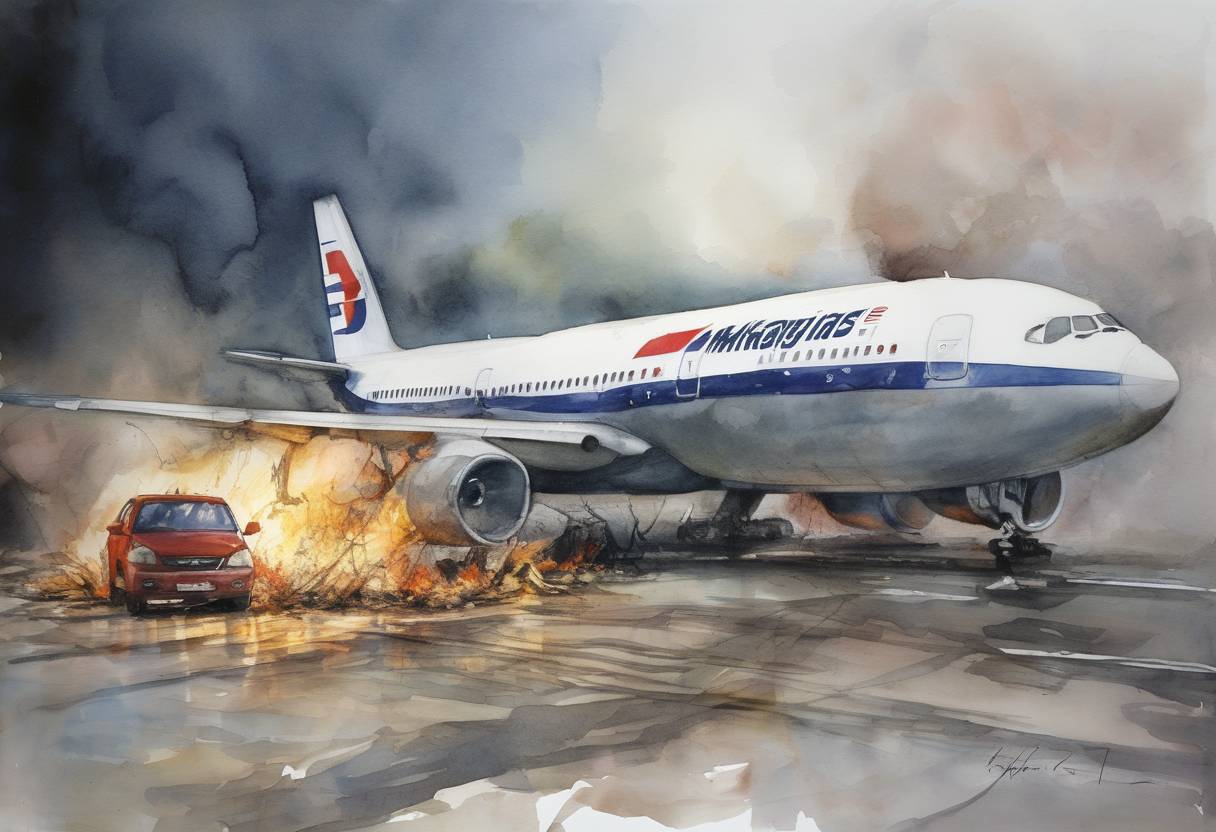
Malaysia Airlines Flight 2133 Crash
Overview
On October 31, 2003, Malaysia Airlines Flight 2133, a domestic flight from Kuala Lumpur to Kota Kinabalu, experienced a tragic accident. The aircraft, a Fokker 50, overshot the runway at Kota Kinabalu International Airport, resulting in 16 fatalities.
Background
- Aircraft: The Fokker 50 is a turboprop-powered airliner, known for its reliability and efficiency on short-haul flights.
- Flight Details: The flight was operated by Malaysia Airlines, the national carrier of Malaysia, which has a strong safety record and extensive experience in regional aviation.
The Incident
- Date: October 31, 2003
- Location: Kota Kinabalu International Airport, Sabah, Malaysia
- Flight Path: The aircraft was on a domestic route from Kuala Lumpur, the capital city of Malaysia, to Kota Kinabalu, a major city on the island of Borneo.
Sequence of Events
- Approach and Landing: As the aircraft approached Kota Kinabalu International Airport, it encountered difficulties during the landing phase.
- Overshooting the Runway: The aircraft failed to stop within the designated runway length, overshooting the runway and coming to a halt beyond the runway perimeter.
- Impact and Damage: The overshoot resulted in significant damage to the aircraft, leading to a fire that exacerbated the situation.
Casualties
- Fatalities: 16 people lost their lives in the crash.
- Survivors: There were survivors, but many sustained injuries of varying severity.
Investigation and Aftermath
- Investigation: An investigation was launched to determine the causes of the accident. Factors such as weather conditions, mechanical issues, and human error were examined.
- Safety Measures: The incident prompted a review of safety protocols and landing procedures to prevent similar occurrences in the future.
Broader Impact
- Aviation Safety: The crash highlighted the importance of rigorous safety checks and the need for continuous training for flight crews in handling emergency situations.
- Public Perception: While Malaysia Airlines maintained a strong safety record, the incident was a reminder of the inherent risks in aviation and the critical importance of safety measures.
Conclusion
The Malaysia Airlines Flight 2133 crash was a tragic event that underscored the complexities and challenges of aviation safety. The loss of lives was deeply felt, and the incident served as a catalyst for improvements in safety protocols within the airline industry.