Execution of William Wallace - August 23, 1305
1305 · London, England
Scottish leader William Wallace was executed for treason by Edward I of England.
October 29, 1618
Sir Walter Raleigh, an English adventurer and writer, was executed in London for treason against King James I.
London, England | English Crown
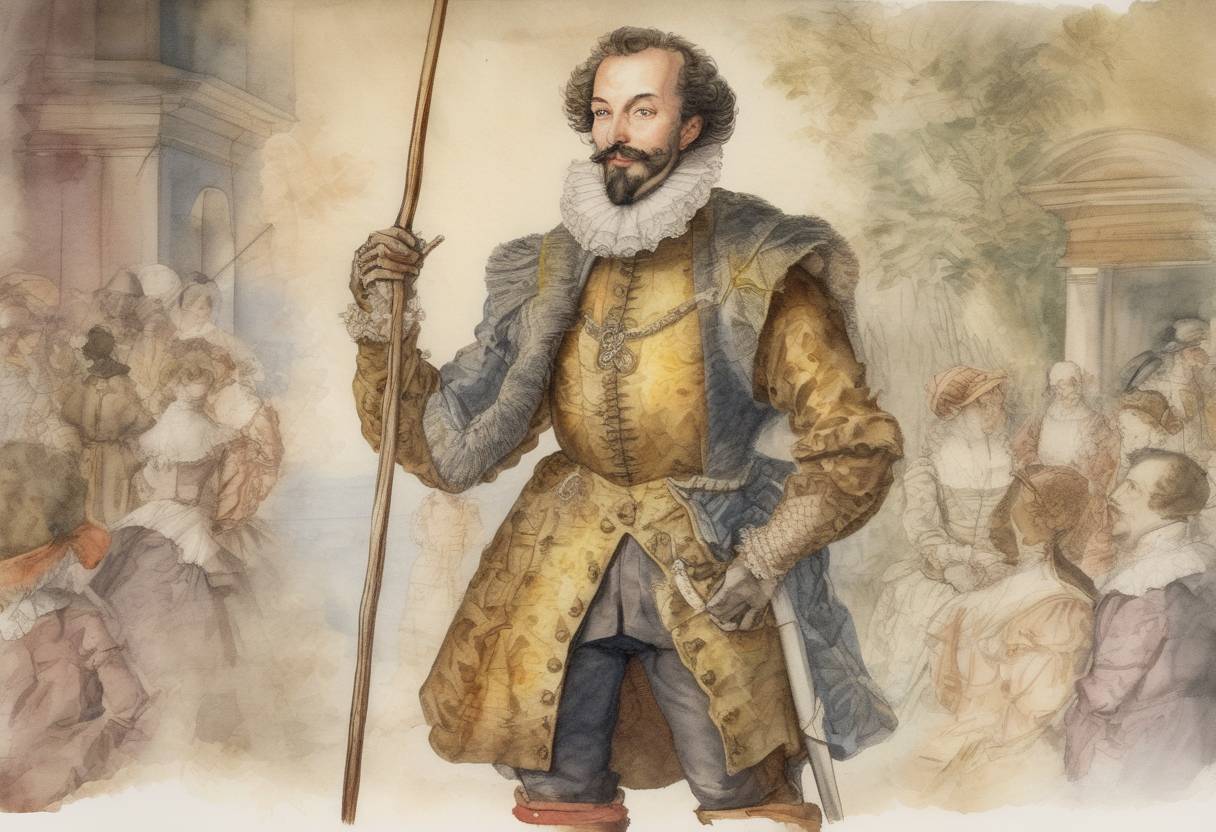
On October 29, 1618, Sir Walter Raleigh, an English adventurer, writer, and courtier, was executed in London for treason against King James I. Raleigh’s life and career were marked by his ambitious pursuits in exploration, his complex relationship with the English monarchy, and his ultimate downfall.
Sir Walter Raleigh was born around 1552 in Devon, England. He rose to prominence during the reign of Queen Elizabeth I, becoming a favorite at her court. Raleigh was a key figure in the English colonization of North America, sponsoring expeditions that led to the establishment of the Roanoke Colony, which is famously known as the “Lost Colony.”
Raleigh was also a noted writer and poet, contributing to the rich tapestry of Elizabethan literature. His works often reflected his adventurous spirit and his deep involvement in the political and social issues of his time.
Raleigh’s fortunes changed with the ascension of King James I in 1603. Unlike Elizabeth, James was not favorably disposed towards Raleigh, and his political enemies seized the opportunity to undermine him. In 1603, Raleigh was implicated in the Main Plot, a supposed conspiracy to remove King James from the throne and replace him with his cousin, Arabella Stuart. Although the evidence against him was tenuous, Raleigh was convicted of treason and sentenced to death. However, his execution was initially stayed, and he was instead imprisoned in the Tower of London.
During his imprisonment, Raleigh wrote several important works, including his “History of the World.” In 1616, he was released to lead a second expedition to find the legendary city of El Dorado in South America. The expedition was a failure, and upon his return, Raleigh was accused of inciting hostilities with Spain, a breach of the peace between England and Spain.
Raleigh was arrested once more, and King James, under pressure from the Spanish ambassador, reinstated the original death sentence from 1603. On October 29, 1618, Raleigh was executed at the Palace of Westminster. His execution was a significant event, drawing a large crowd and marking the end of a tumultuous and adventurous life.
Raleigh’s legacy is complex. He is remembered as a key figure in the Elizabethan era, a pioneer of English colonialism, and a literary figure. His execution is often seen as a political maneuver, reflecting the intricate and often perilous nature of court politics in early 17th-century England.
Raleigh’s life and death highlight the volatile intersection of exploration, politics, and personal ambition during a transformative period in English history. His contributions to literature and exploration continue to be recognized, and his story remains a poignant example of the risks faced by those who navigated the treacherous waters of royal favor and international intrigue.
Source: www.britannica.com