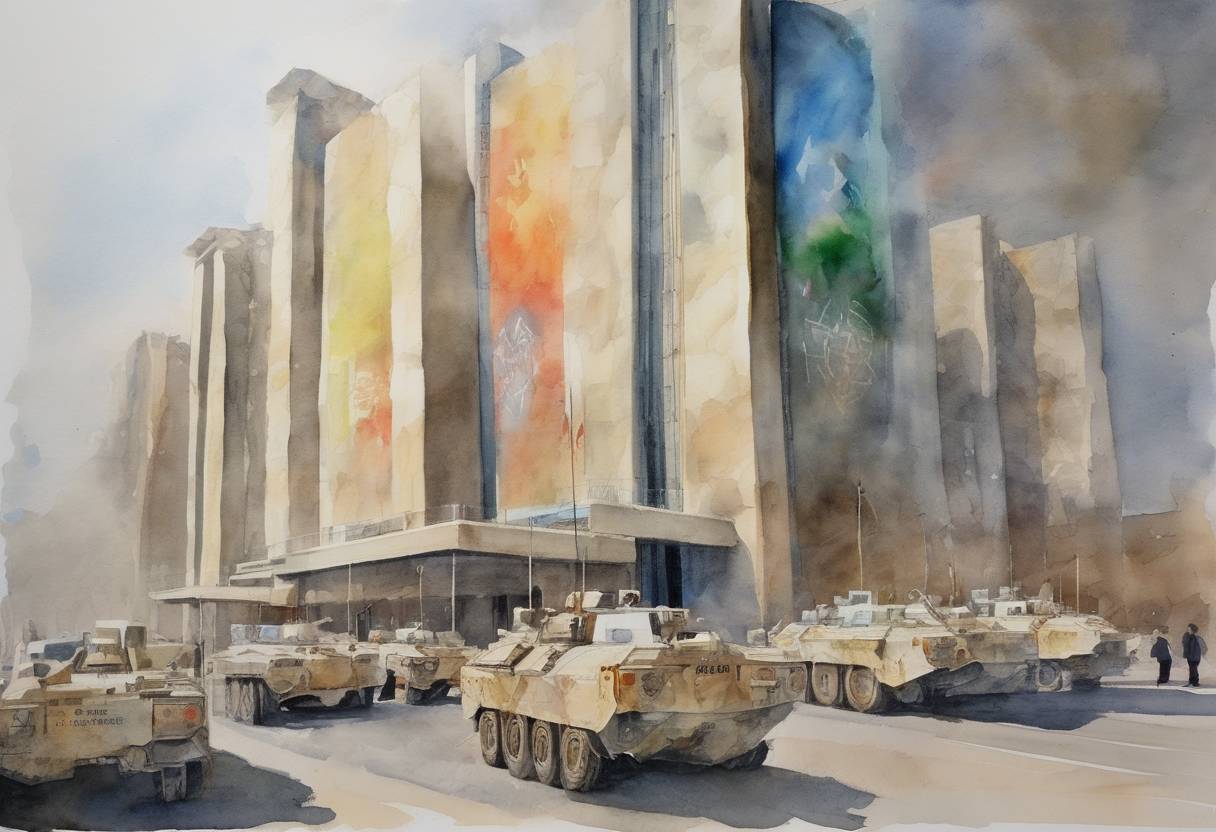
Lifting of Sanctions on Iraq by the United Nations Security Council
On December 24, 2010, the United Nations Security Council (UNSC) voted to lift a series of sanctions imposed on Iraq, marking a significant milestone in the country’s post-war recovery and international reintegration. These sanctions had been in place since the early 1990s, following Iraq’s invasion of Kuwait, which led to the Gulf War.
Background
Gulf War and Sanctions: In 1990, Iraq, under the leadership of Saddam Hussein, invaded Kuwait, prompting a swift international response. The UNSC imposed comprehensive sanctions on Iraq through Resolution 661, aimed at compelling Iraq to withdraw from Kuwait and comply with international law.
Post-War Iraq: Following the Gulf War and subsequent conflicts, including the 2003 U.S.-led invasion that resulted in the toppling of Saddam Hussein’s regime, Iraq faced significant challenges in rebuilding its infrastructure, economy, and governance structures.
The UNSC Vote
Resolution 1956: On December 24, 2010, the UNSC adopted Resolution 1956, which effectively lifted the sanctions related to Iraq’s weapons of mass destruction (WMD) programs. This decision was based on Iraq’s compliance with disarmament obligations and its progress in stabilizing the country.
Significance of the Vote: The lifting of these sanctions was a recognition of Iraq’s efforts to rebuild and stabilize after years of conflict and international isolation. It also marked a step towards normalizing Iraq’s relations with the international community.
Consequences and Aftermath
Economic Impact: The removal of sanctions allowed Iraq greater access to international markets and financial systems, facilitating foreign investment and economic growth. This was crucial for the country’s reconstruction efforts.
Political Implications: The decision underscored the international community’s support for Iraq’s sovereignty and its ongoing political transition. It also highlighted the importance of Iraq’s continued commitment to peace and stability in the region.
Regional Stability: The lifting of sanctions was seen as a positive development for regional stability, as it encouraged Iraq to play a more active role in Middle Eastern affairs.
Broader Historical Significance
The UNSC’s decision to lift sanctions on Iraq in 2010 was a pivotal moment in the country’s post-conflict recovery. It demonstrated the potential for international cooperation in addressing complex geopolitical challenges and underscored the importance of multilateral efforts in supporting nations emerging from conflict.
This event also highlighted the evolving role of the United Nations in facilitating peace and security, as well as the ongoing challenges faced by Iraq in its journey towards stability and prosperity.