Naomi Uemura: First Solo Expedition to the North Pole
1978 · North Pole, Arctic
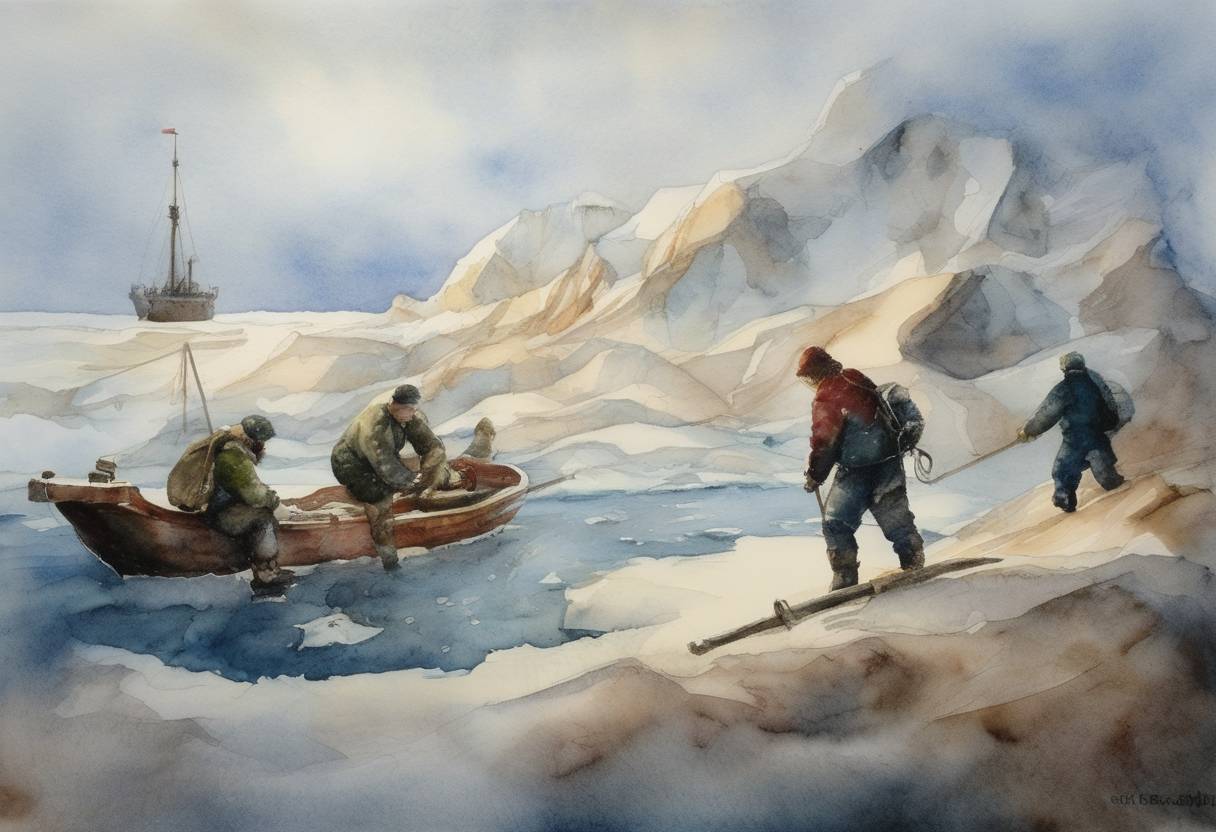
Japan's Naomi Uemura became the first person to reach the North Pole alone.
August 2, 2007
Russian explorers plant a flag on the seabed under the North Pole to bolster Moscow's claim to the mineral-rich polar region.
North Pole, International waters | Russia
On August 2, 2007, Russian explorers conducted a highly symbolic underwater mission as part of the country’s geopolitical strategy to claim a portion of the Arctic’s mineral-rich seabed. This event involved the planting of a Russian flag made of rust-proof titanium on the seabed beneath the North Pole.
The Arctic region is believed to contain up to 25% of the world’s undiscovered oil and gas reserves, making it a strategically significant area for nations with potential territorial claims. Under the United Nations Convention on the Law of the Sea (UNCLOS), a country can claim an extended continental shelf if it can demonstrate that the seabed is a natural extension of its continental margin.
The mission, led by noted polar explorer Artur Chilingarov, utilized two submersibles, Mir-1 and Mir-2, capable of reaching depths of over 4,000 meters. The operation aimed to collect geological and biological samples from the Arctic Ocean floor to support Russia’s claim over the continental shelf area known as the Lomonosov Ridge. The expedition was launched from the Russian research vessel Akademik Fyodorov.
The dramatic gesture of planting a flag attracted significant international attention and sparked a debate over the ownership and future of the Arctic region. Countries such as Canada, Denmark, Norway, and the United States also have potential claims in the Arctic, leading to diplomatic dialogues and heightened interest in the region.
The 2007 Russian expedition to plant a flag on the North Pole’s seafloor marked a significant moment in the geopolitics of the Arctic. It underscored the region’s growing importance due to its untapped resources and the complex web of territorial claims it entailed. As Arctic ice continues to recede, access to its resources becomes more feasible, likely intensifying geopolitical interests and international negotiations surrounding the area.
Source: www.reuters.com