The Abdication of Emperor Puyi: The End of the Qing Dynasty
1912 · Beijing, China
The last Emperor of China, Puyi, abdicates the throne, marking the end of the Qing Dynasty and the imperial era in China.
January 1, 1912
The Republic of China was officially established, marking the end of the Qing Dynasty.
Nanjing, China | Provisional Government of the Republic of China
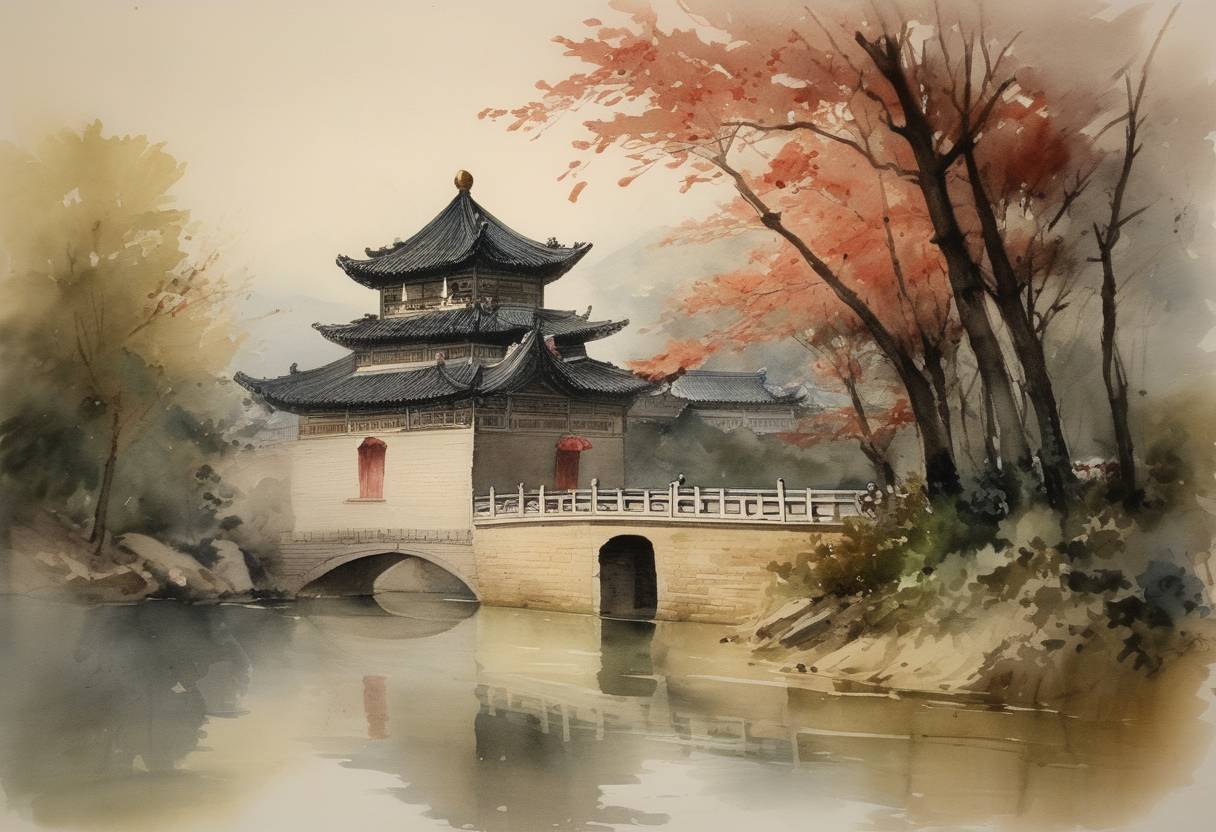
On January 1, 1912, the Republic of China was officially proclaimed, marking the end of over two millennia of imperial rule in China and the conclusion of the Qing Dynasty. This event signified a pivotal transition in Chinese history, leading to the establishment of a republican government. The change emanated from a combination of internal challenges within the Qing Dynasty and the dynamism of revolutionary movements seeking modernization and reform.
Decline of the Qing Dynasty: By the late 19th and early 20th centuries, the Qing Dynasty faced numerous internal dilemmas, including corruption, social unrest, and military defeats, which substantially weakened its control.
Revolutionary Movements: Intellectual and revolutionary leaders, including influential figures such as Sun Yat-sen, advocated for the overthrow of the Qing and the establishment of a modern, republic government that would propel China into a new era of progress and stability.
Wuchang Uprising: The revolution gained significant momentum with the Wuchang Uprising on October 10, 1911, which quickly spread and led to several provinces declaring independence from Qing rule.
Formal Proclamation: Sun Yat-sen, who had been elected provisional president by the Nanjing assembly, declared the establishment of the Republic of China in Nanjing, a city that became the preliminary capital of the nascent republic.
Abdication of the Qing Emperor: Although the Republic was established on this day, the formal abdication of the last Qing emperor, Puyi, would occur shortly thereafter on February 12, 1912.
End of Dynastic Rule: The fall of the Qing Dynasty marked the end of over 2,000 years of dynastic rule in China, often viewed as the endpoint of traditional Chinese imperial history.
Challenges of the New Republic: The Republic of China faced immediate challenges, including political fragmentation and regional warlordism, which would complicate governance and mar the stability of the new republic.
Sun Yat-sen’s Ideals: Sun Yat-sen promoted the “Three Principles of the People,” which included nationalism, democracy, and the people’s livelihood, as guiding doctrines for the new government.
Sustained Turbulence: The early years of the Republic were riddled with political instability, and although the republic sought to modernize and unify China, it was beset with difficulties that would eventually lead to further conflicts and the rise of competing political factions.
The establishment of the Republic of China on January 1, 1912, remains a landmark event in Chinese history, symbolizing the move towards modernity and new forms of governance, despite the numerous challenges and tumultuous events that followed.
Source: britannica.com