King v. Burwell: U.S. Supreme Court Ruling on June 22, 2015
2015 · Washington, D.C., United States
The U.S. Supreme Court ruled in favor of the Affordable Care Act in King v. Burwell, upholding federal subsidies for health insurance.
March 21, 2010
The U.S. House of Representatives passes the Patient Protection and Affordable Care Act.
Washington, D.C., United States | U.S. Congress
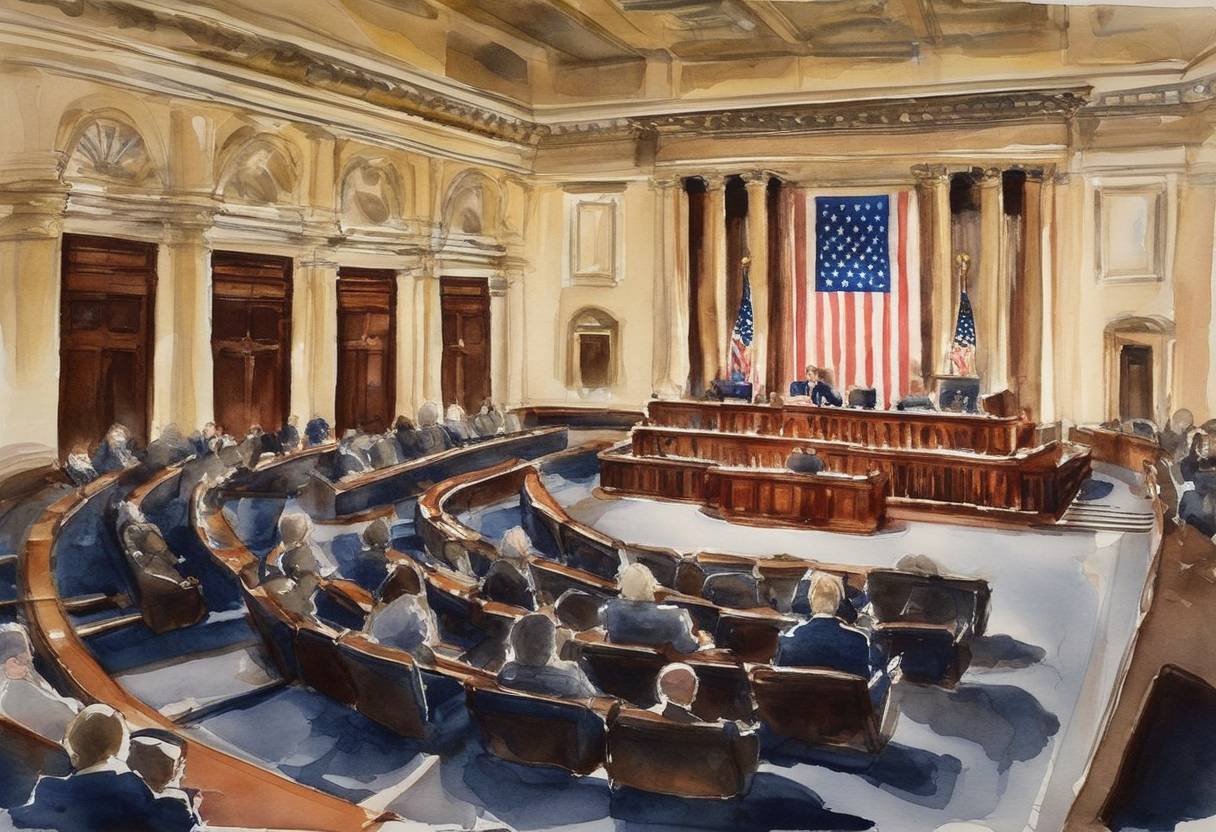
On March 21, 2010, the United States House of Representatives passed the Patient Protection and Affordable Care Act (PPACA), commonly known as the Affordable Care Act (ACA) or “Obamacare”. This significant vote took place after months of intense debate and consideration, marking a major milestone in American healthcare reform.
The push for comprehensive healthcare reform was a cornerstone of President Barack Obama’s domestic policy agenda. By the year 2010, the U.S. faced numerous issues within its healthcare system, including rising costs, a substantial population of uninsured citizens, and varied healthcare quality. The ACA aimed to address these challenges by expanding insurance coverage, increasing consumer protections, emphasizing prevention and wellness, improving quality and system performance, and curbing the growth of healthcare costs.
The legislation introduced several key provisions:
The ACA’s legislative journey was long and complicated, involving heated discussions, negotiations, and amendments:
Following its passage, President Obama signed the ACA into law on March 23, 2010. The ACA faced several legal challenges, culminating in a notable U.S. Supreme Court decision in 2012 that upheld most of the law’s provisions. Despite various attempts to repeal or modify the law, many of its core components remain in effect.
The ACA significantly altered the American healthcare landscape, reducing the number of uninsured Americans and instituting key consumer protections. However, it also sparked ongoing political debates and policy discussions around healthcare reform, affordability, and access.
This event marked a pivotal moment in U.S. healthcare policy, with long-term implications for millions of Americans and the healthcare system as a whole.
Source: www.congress.gov