The Authorization of Military Force Against Iraq: January 12, 1991
1991 · Washington D.C., United States
The United States Congress authorizes the use of military force to drive Iraq out of Kuwait, leading to the Gulf War.
February 27, 1991
In the Persian Gulf War, U.S. President George H. W. Bush declared that 'Kuwait is liberated,' leading to a ceasefire the next day with Iraq.
Washington D.C., United States | United States Government
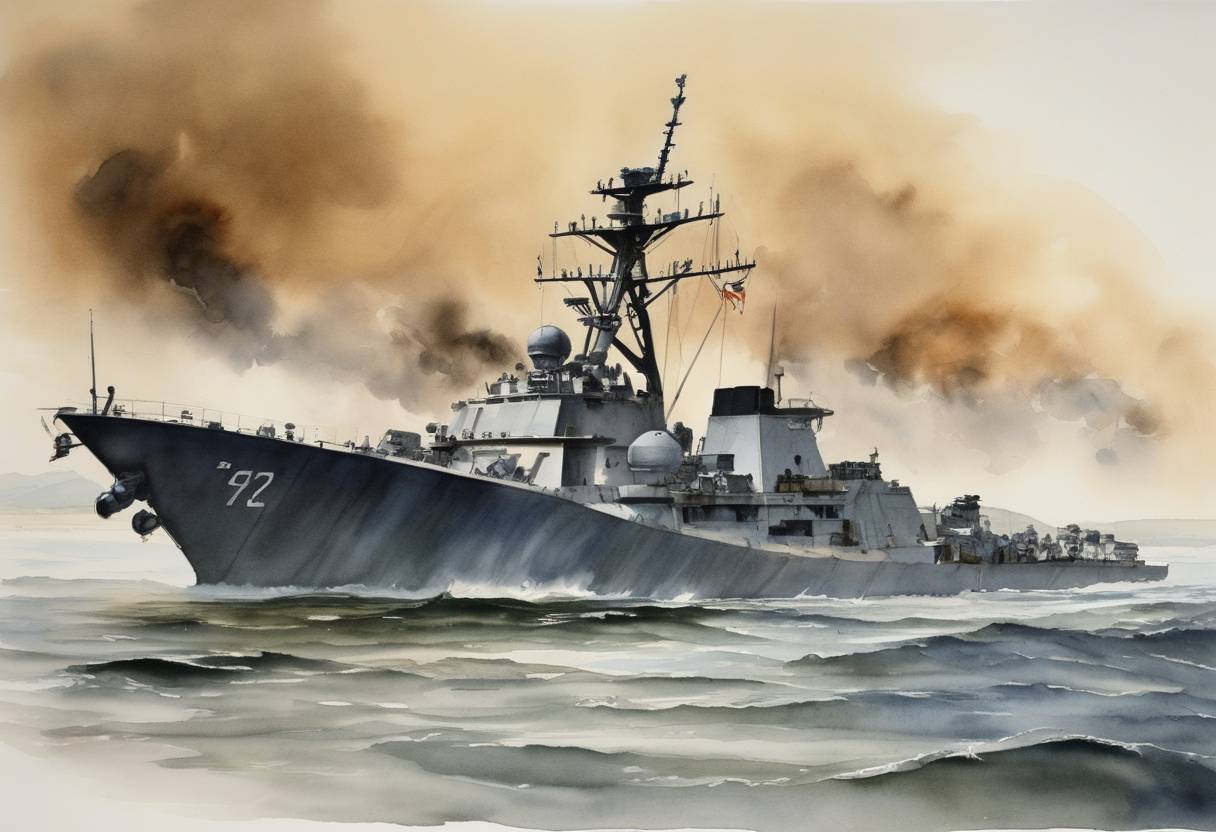
On February 27, 1991, U.S. President George H. W. Bush made a significant announcement declaring that “Kuwait is liberated.” This marked a pivotal moment in the Persian Gulf War, a conflict that had engaged international forces against Iraq following its invasion and annexation of Kuwait in August 1990. The announcement signaled the effective end of major combat operations and paved the way for a ceasefire with Iraq, which took effect the following day, February 28, 1991.
The Persian Gulf War, often referred to as Operation Desert Storm, was the culmination of a coalition effort to expel Iraqi forces from Kuwait. The crisis began on August 2, 1990, when Iraqi President Saddam Hussein ordered the invasion of Kuwait, a move widely condemned by the international community. The United Nations swiftly responded, imposing economic sanctions on Iraq and setting a deadline for withdrawal.
As diplomatic efforts failed, a coalition led by the United States was formed, including forces from 35 countries, to execute military operations aimed at liberating Kuwait. The conflict’s intense air campaign commenced on January 17, 1991, targeting Iraq’s military infrastructure.
Operation Desert Storm: The air campaign was followed by a ground assault that began on February 24, 1991. The coalition forces advanced rapidly, overwhelming Iraqi defenses.
Coalition Strategy: Utilizing superior air power and advanced military technology, the coalition forces effectively isolated and incapacitated Iraqi forces, leading to their swift retreat from Kuwait.
Retreat and Burning of Oil Fields: As Iraqi forces withdrew, they set fire to Kuwaiti oil wells, causing an environmental disaster.
President Bush’s declaration on February 27 stated, “Kuwait is liberated, Iraq’s army is defeated,” reflecting the coalition’s success in achieving its military objectives. The liberation of Kuwait was met with celebrations by Kuwaitis and coalition allies, signaling a moment of triumph against aggression.
Ceasefire Agreement: Following the declaration, a ceasefire agreement was negotiated, coming into effect on February 28, 1991. This officially ended hostilities and laid the groundwork for the restoration of Kuwaiti independence.
Rebuilding and Humanitarian Concerns: The post-war period involved substantial efforts to extinguish burning oil wells and address the humanitarian and infrastructural needs of Kuwait.
Long-term Impact: The conflict demonstrated the effectiveness of a coordinated international military response to aggression. It also set a precedent for future UN-sanctioned interventions and reinforced the role of the United States as a pivotal global power.
The conclusion of the Persian Gulf War marked a significant moment in late 20th-century international relations, emphasizing collective security and the enforcement of international law against acts of aggression.