South Sudan Civil War: December 15, 2013
2013 · Juba, South Sudan
South Sudan's civil war began as fighting erupted between forces loyal to President Salva Kiir and those loyal to former Vice President Riek Machar.
February 6, 2011
Juba student protests took place, with demonstrators clashing with security forces in Juba, South Sudan, calling for reforms and better services.
Juba, South Sudan | South Sudan government
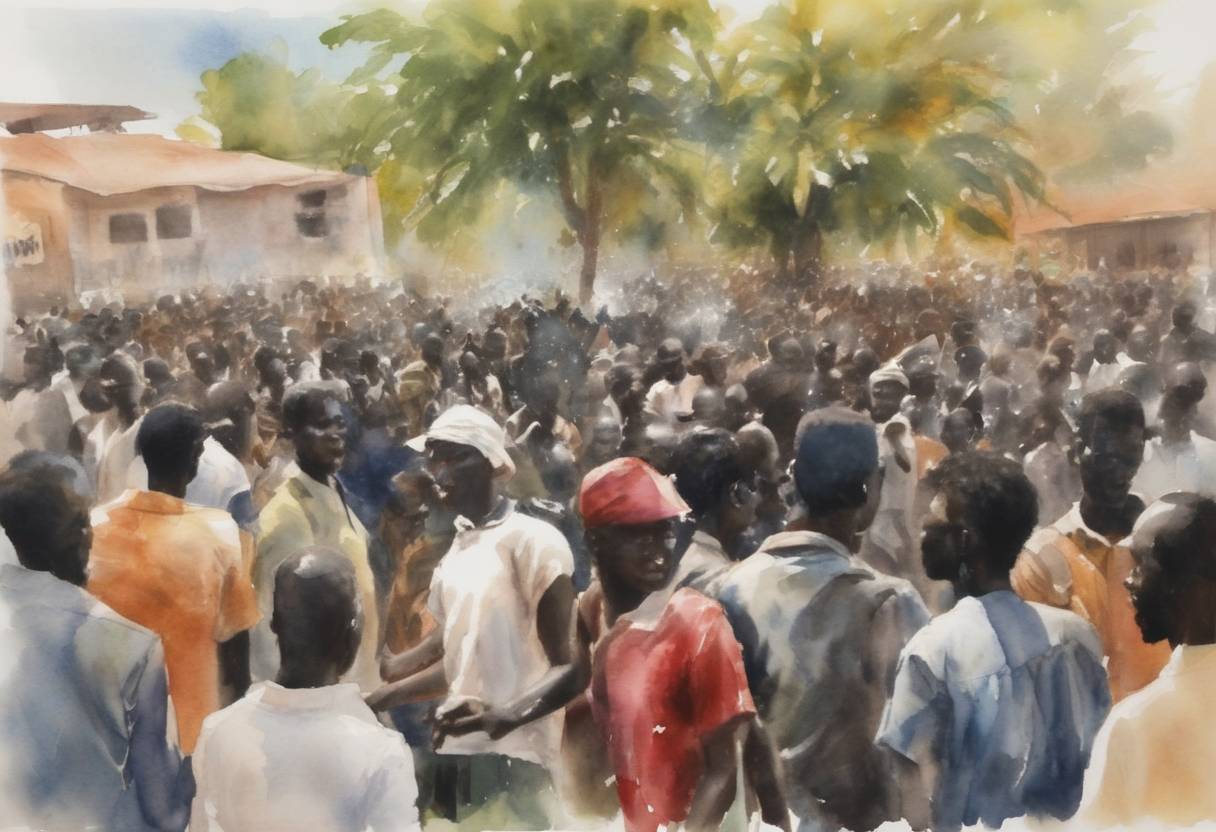
On February 6, 2011, Juba, the capital city of South Sudan, witnessed significant student-led protests. The demonstrations unfolded as students expressed dissatisfaction with various socio-economic conditions, calling for substantive reforms and improved public services. This protest was notable for its reflection of the broader socio-political instability that was prevalent in South Sudan during this period.
Leading up to the protests, South Sudan was in a transitional phase, having recently undergone a referendum in January 2011, where the majority voted for independence from Sudan. This referendum was the result of decades of civil conflict and was part of the Comprehensive Peace Agreement signed in 2005. Despite the hopeful context of impending independence set for July 2011, many citizens were increasingly frustrated with poor infrastructure, lack of public services, and perceived corruption among government officials.
The protests on February 6 were primarily initiated by students in Juba who gathered to voice their grievances. The students demanded better educational resources, infrastructure improvements, and increased employment opportunities. The gathering quickly escalated, with demonstrators clashing with security forces. The confrontations highlighted the tension between a population eager for change and government structures still adapting to a nascent state’s challenges.
Authorities responded to the protests with increased security measures. Law enforcement and security forces were deployed to control the demonstrations, leading to several clashes. Reports at the time indicated that the authorities’ tactics included dispersing crowds and detaining protestors.
The February 6 protest in Juba was indicative of the growing impatience among citizens regarding the slow pace of reform and development. It underscored the challenges that South Sudan faced as an emergent nation grappling with post-conflict rebuilding and governance issues. Although the demonstrations did not lead to immediate policy changes, they captured the urgent need for the government to address public demands and improve service delivery.
These protests resonated within the broader context of the Arab Spring, which saw an array of similar movements across the region where populations demanded political reform and economic improvements. For South Sudan, the events of the day were part of the complex narrative that influenced its early post-independence years.
Source: www.bbc.com