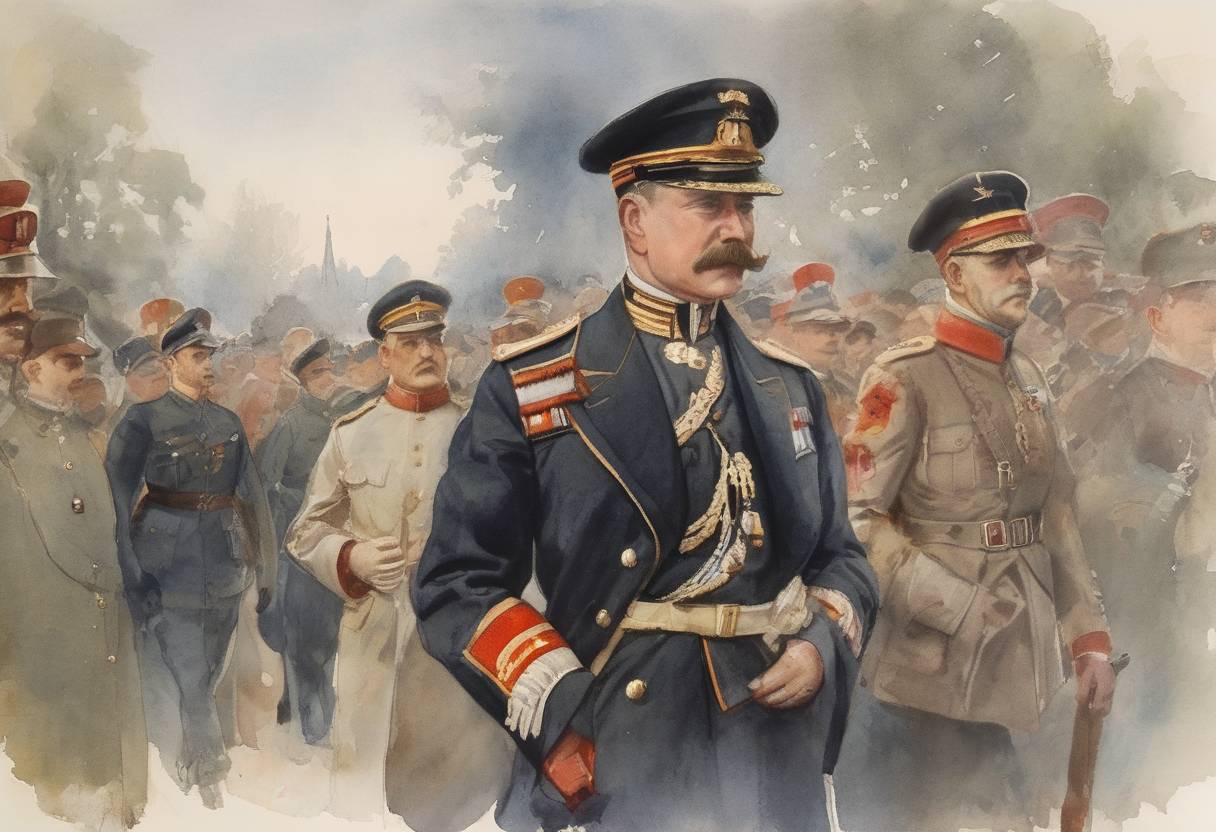
The Netherlands Refuses to Extradite Kaiser Wilhelm II - January 23, 1920
On January 23, 1920, the Dutch government made a significant decision in the aftermath of World War I by refusing to extradite former German Emperor Wilhelm II. This decision was pivotal in the post-war geopolitical landscape and had lasting implications for international law and diplomacy.
Context and Background
End of World War I: World War I concluded with the signing of the Armistice on November 11, 1918. The Treaty of Versailles, signed on June 28, 1919, formally ended the state of war between Germany and the Allied Powers.
Abdication and Flight: Kaiser Wilhelm II abdicated the German throne on November 9, 1918, amid the German Revolution. Facing potential prosecution by the Allies, he fled to the Netherlands, seeking asylum. The Dutch government, led by Queen Wilhelmina, granted him refuge.
Treaty of Versailles: The treaty included a clause (Article 227) that called for the prosecution of Wilhelm II for “a supreme offense against international morality and the sanctity of treaties.” The Allies, particularly France and Britain, sought his extradition to face trial.
The Decision
Dutch Neutrality: The Netherlands had maintained a policy of neutrality during World War I. This stance influenced their decision to refuse the extradition request, as they sought to avoid entanglement in post-war retribution and maintain their neutral position.
Legal and Diplomatic Considerations: The Dutch government argued that extraditing Wilhelm would violate their national laws and principles of asylum. They also feared setting a precedent that could undermine their sovereignty and neutrality.
Aftermath and Consequences
Wilhelm’s Life in Exile: Wilhelm II lived in exile at Huis Doorn, a manor in the Netherlands, until his death in 1941. He remained a controversial figure, largely isolated from political life.
Impact on International Law: The refusal to extradite Wilhelm highlighted the complexities of international law regarding war crimes and the prosecution of former heads of state. It underscored the challenges of balancing justice with diplomatic and legal principles.
Legacy: The decision contributed to ongoing debates about accountability and justice in the aftermath of conflict. It also influenced future discussions on the treatment of deposed leaders and the role of international tribunals.
The Dutch decision not to extradite Kaiser Wilhelm II remains a notable example of the interplay between national sovereignty, international demands, and the evolving landscape of international law in the 20th century.