October 24, 2008

Bloody Friday occurs as many of the world's stock exchanges experience the worst declines in their histories, marking a significant point in the global financial crisis.


New York, United States | New York Stock Exchange
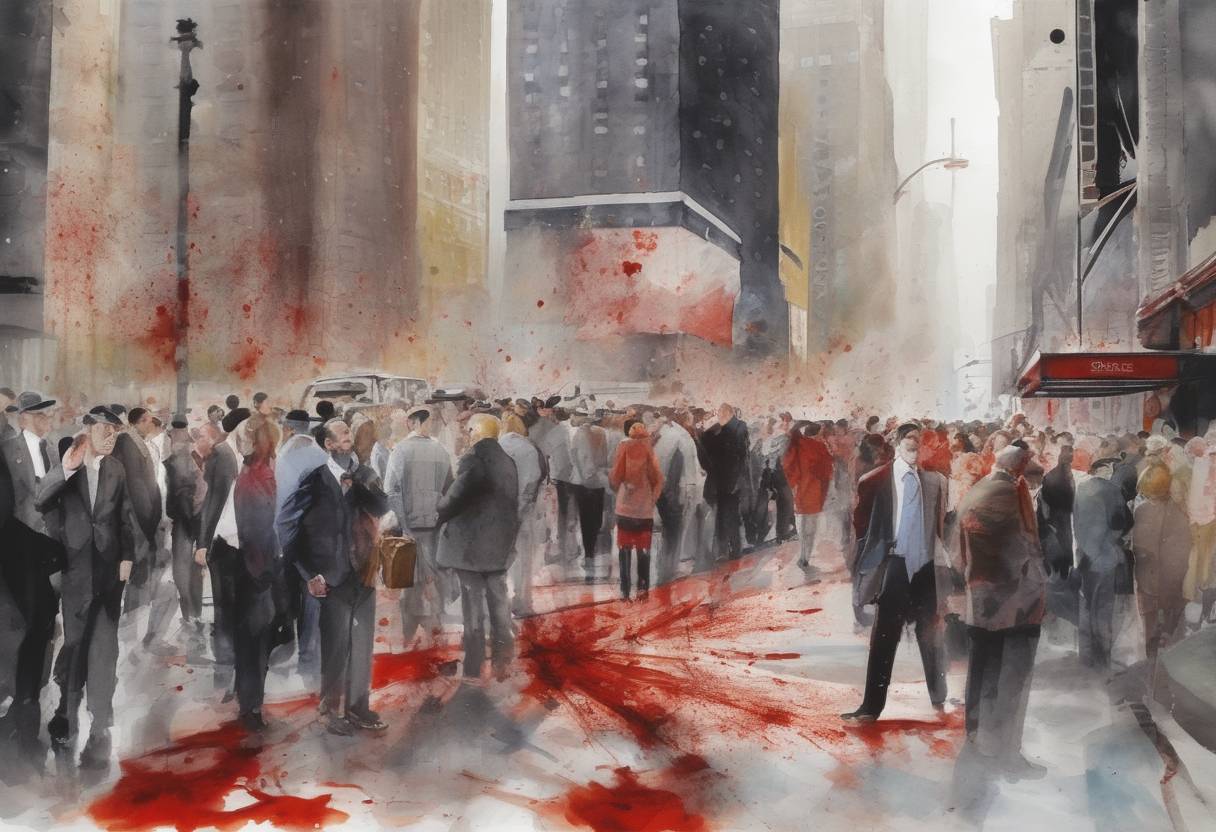
Watercolor painting based depiction of Bloody Friday occurs as many of the world's stock exchanges experience the worst declines in their histories, marking a significant point in the global financial crisis. (2008)

Bloody Friday: October 24, 2008

On October 24, 2008, a day that came to be known as “Bloody Friday,” global stock markets experienced some of the steepest declines in their histories. This event marked a significant point in the global financial crisis of 2007-2008, highlighting the widespread panic and uncertainty that gripped financial markets worldwide.

Context Leading Up to Bloody Friday

The financial crisis of 2007-2008 was precipitated by a combination of factors, including:

  • Subprime Mortgage Crisis: The collapse of the housing bubble in the United States led to a surge in mortgage defaults, particularly in the subprime sector. This triggered a chain reaction affecting financial institutions globally.
  • Lehman Brothers Collapse: In September 2008, the bankruptcy of Lehman Brothers, a major global financial services firm, sent shockwaves through the financial system, exacerbating the crisis.
  • Credit Crunch: Banks became increasingly reluctant to lend to each other, leading to a severe liquidity crisis. This credit crunch stifled economic activity and eroded investor confidence.

Events of Bloody Friday

On October 24, 2008, stock exchanges around the world saw dramatic declines:

  • Asian Markets: The Nikkei 225 in Japan fell by over 9.6%, while the Hang Seng Index in Hong Kong dropped by 8.3%.
  • European Markets: Major indices such as the FTSE 100 in the UK and the DAX in Germany also suffered significant losses, reflecting the global nature of the crisis.
  • US Markets: Although the Dow Jones Industrial Average and other US indices had already been experiencing volatility, Bloody Friday underscored the depth of the crisis.

Broader Historical Significance

  • Global Recession: The financial turmoil contributed to a global recession, with many economies experiencing negative growth, rising unemployment, and severe economic contraction.
  • Regulatory Reforms: In response to the crisis, governments and regulatory bodies worldwide implemented significant financial reforms. These included the Dodd-Frank Act in the United States, aimed at increasing transparency and reducing systemic risk in the financial system.
  • Monetary Policy: Central banks, including the Federal Reserve and the European Central Bank, took unprecedented measures, such as slashing interest rates and implementing quantitative easing, to stabilize the financial system and stimulate economic recovery.

Aftermath

The events of Bloody Friday and the broader financial crisis had lasting impacts on the global economy. They reshaped financial regulation, altered monetary policy approaches, and highlighted the interconnectedness of global financial markets. The crisis also led to increased scrutiny of financial institutions and practices, fostering debates on risk management and ethical standards in finance.

Bloody Friday remains a stark reminder of the vulnerabilities within the global financial system and the far-reaching consequences of financial instability.