Toppling of Saddam Hussein's Statue in Firdos Square
2003 · Baghdad, Iraq
The statue of Saddam Hussein in Baghdad's Firdos Square is toppled by Iraqi civilians and U.S. military forces, symbolizing the fall of Baghdad during the Iraq War.
May 23, 2004
The United States handed over control of the Abu Ghraib prison to the Iraqi government following the prisoner abuse scandal.
Baghdad, Iraq | United States Government
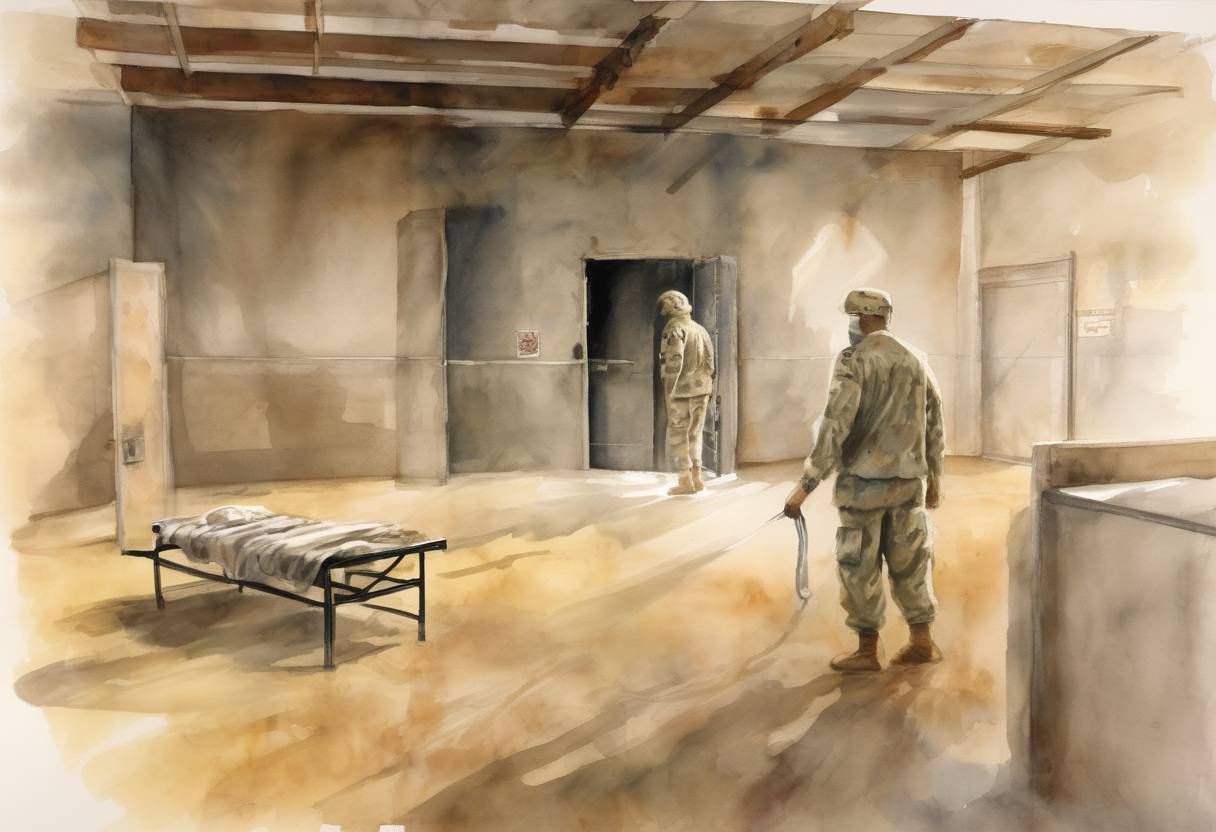
On May 23, 2004, the United States formally handed over control of the Abu Ghraib prison to the Iraqi government. This transfer marked a significant moment in the aftermath of the prisoner abuse scandal that had come to light earlier that year.
Abu Ghraib prison, located near Baghdad, Iraq, was originally built by British contractors in the 1960s and had a notorious reputation for torture and executions under Saddam Hussein’s regime. After the 2003 U.S.-led invasion of Iraq, the prison was used by the U.S. military to detain individuals suspected of insurgency and terrorism.
In April 2004, CBS News and The New Yorker published reports and photographs revealing the abuse and mistreatment of prisoners by U.S. military personnel at Abu Ghraib. The images showed prisoners being subjected to physical and psychological abuse, including hooding, stress positions, and sexual humiliation. These revelations sparked international outrage and severely damaged the reputation of the United States, raising questions about the conduct and oversight of military operations in Iraq.
Public Outcry and Investigations: The release of the photographs led to widespread condemnation from human rights organizations, governments, and the public. The U.S. Department of Defense launched investigations, resulting in several military personnel being charged and convicted for their roles in the abuse.
Policy and Leadership Changes: The scandal prompted changes in military policies regarding the treatment of detainees and led to the resignation of several high-ranking officials, including Secretary of Defense Donald Rumsfeld offering his resignation, which President George W. Bush did not accept.
International Pressure: The scandal increased pressure on the U.S. to reform its detention practices and improve its human rights record in Iraq.
The decision to transfer control of Abu Ghraib to the Iraqi government was part of a broader strategy to restore Iraqi sovereignty and improve the country’s security infrastructure. The transfer was symbolic, aiming to distance the U.S. from the negative connotations associated with the prison and to demonstrate a commitment to respecting Iraqi autonomy.
Legal and Ethical Reforms: The scandal led to significant legal and ethical reforms within the U.S. military and intelligence communities, including revised interrogation techniques and enhanced oversight mechanisms.
Impact on U.S.-Iraq Relations: The incident strained U.S.-Iraq relations and fueled anti-American sentiment, complicating the U.S.’s efforts to stabilize the region.
Legacy of Abu Ghraib: The name “Abu Ghraib” became synonymous with human rights abuses and served as a cautionary tale about the importance of ethical conduct in military operations.
The transfer of Abu Ghraib prison was a pivotal moment in the Iraq War, reflecting the challenges of balancing security objectives with human rights considerations.
Source: www.nytimes.com