2014 · Soma, Turkey
A mining disaster took place at the Soma mine in Turkey, which became one of the deadliest mining disasters in Turkey's history with 301 miners killed.
April 5, 2010
An explosion at the Upper Big Branch Mine in West Virginia, USA, killed 29 miners. This was the worst mining disaster in the United States since 1970. The explosion was caused by a build-up of methane gas, and subsequent investigations revealed numerous safety violations by the mine's operator, Massey Energy.
Montcoal, United States | Massey Energy
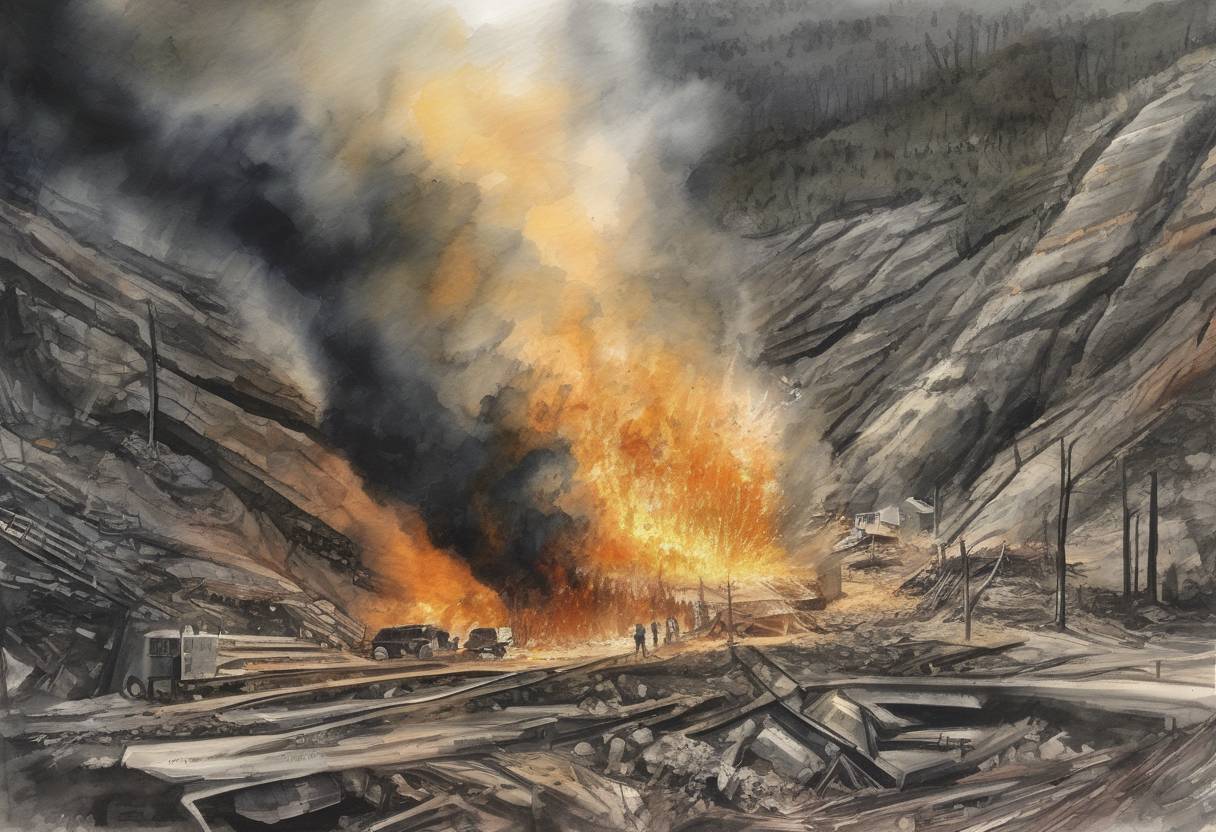
On April 5, 2010, a catastrophic explosion occurred at the Upper Big Branch Mine in Montcoal, West Virginia, resulting in the tragic deaths of 29 miners. This disaster marked the deadliest mining accident in the United States since the 1970 Finley Coal Company explosion in Hyden, Kentucky.
The Upper Big Branch Mine was operated by Massey Energy, one of the largest coal producers in the United States. The mine was known for its high production levels, but it also had a history of safety violations. Prior to the explosion, the mine had been cited for numerous safety infractions, including inadequate ventilation and accumulation of combustible materials.
The explosion was triggered by a build-up of methane gas, which is a common hazard in coal mining. Methane is highly flammable, and without proper ventilation, it can accumulate to dangerous levels. On that fateful day, a spark ignited the methane, causing a massive explosion that ripped through the mine.
In the aftermath of the disaster, multiple investigations were conducted by various agencies, including the Mine Safety and Health Administration (MSHA) and the United States Department of Labor. The investigations revealed several critical findings:
The disaster had significant repercussions:
The Upper Big Branch Mine disaster underscored the ongoing challenges in balancing industrial productivity with worker safety. It highlighted the need for rigorous enforcement of safety regulations and accountability for companies that fail to protect their workers. The event remains a somber reminder of the human cost of industrial negligence and the critical importance of workplace safety.
Source: www.nytimes.com