East Timor Declares Independence from Portugal on November 28, 1975
1975 · Dili, East Timor
East Timor declares its independence from Portugal.
November 11, 1975
Angola gained independence from Portugal, marking the end of Portuguese colonial rule in Africa and the beginning of a prolonged civil war.
Luanda, Angola | MPLA
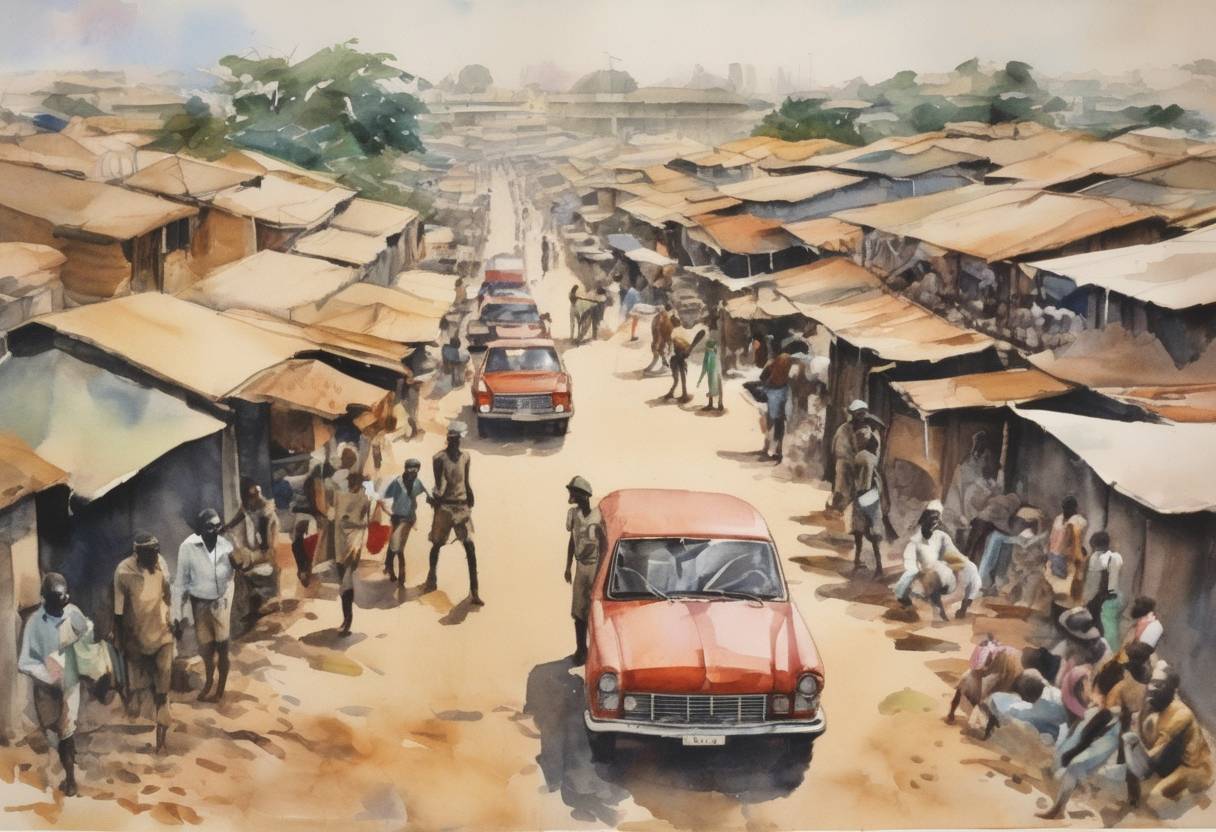
Angola’s path to independence was part of a broader wave of decolonization that swept across Africa in the mid-20th century. Portugal, under the Estado Novo regime led by António de Oliveira Salazar and later Marcelo Caetano, was determined to maintain its colonies, including Angola, Mozambique, and Guinea-Bissau. However, the winds of change were blowing across the continent, and the struggle for independence was gaining momentum.
Colonial Rule and Resistance: Angola had been under Portuguese control since the late 16th century. By the 20th century, the demand for independence was growing, fueled by nationalist movements and the global decolonization trend post-World War II.
Armed Struggle: The fight for independence intensified in the 1960s with the emergence of several liberation movements, notably the Popular Movement for the Liberation of Angola (MPLA), the National Front for the Liberation of Angola (FNLA), and the National Union for the Total Independence of Angola (UNITA). These groups engaged in guerrilla warfare against Portuguese forces.
Carnation Revolution: In April 1974, a military coup in Portugal, known as the Carnation Revolution, overthrew the Estado Novo regime. The new government in Lisbon was more open to negotiating the independence of its African colonies.
On November 11, 1975, Angola officially gained independence from Portugal. The MPLA, led by Agostinho Neto, declared itself the ruling party and established the People’s Republic of Angola. However, the transition was far from peaceful.
Internal Conflict: Almost immediately after independence, Angola was plunged into a civil war. The MPLA, FNLA, and UNITA, each backed by different foreign powers, vied for control. The MPLA received support from the Soviet Union and Cuba, while the FNLA and UNITA were backed by the United States, South Africa, and other Western countries.
Prolonged Struggle: The civil war lasted for 27 years, becoming one of the longest and most devastating conflicts in Africa. It caused immense human suffering, with hundreds of thousands of lives lost and millions displaced.
End of Portuguese Colonial Rule: Angola’s independence marked the end of Portuguese colonial rule in Africa, as Mozambique and Guinea-Bissau also gained independence around the same time.
Cold War Dynamics: The Angolan Civil War became a proxy battleground for Cold War superpowers, highlighting the global geopolitical stakes involved in African decolonization.
Legacy of Conflict: The civil war left a lasting impact on Angola’s development, infrastructure, and social fabric. It wasn’t until 2002 that a peace agreement was reached, allowing Angola to begin rebuilding.
Angola’s journey to independence and the subsequent civil war underscore the complex interplay of local and international forces in shaping the post-colonial landscape of Africa.
Source: en.wikipedia.org