Hajj Stampede in Mina, Saudi Arabia - February 1, 2004
2004 · Mina, Saudi Arabia
A hajj stampede in Mina, Saudi Arabia, resulted in the deaths of 251 pilgrims.
September 24, 2015
A stampede during the Hajj pilgrimage in Mina, near Mecca, Saudi Arabia, resulted in the deaths of over 2,000 people, marking one of the deadliest incidents in the pilgrimage's history.
Mina, Saudi Arabia | Saudi Arabian government
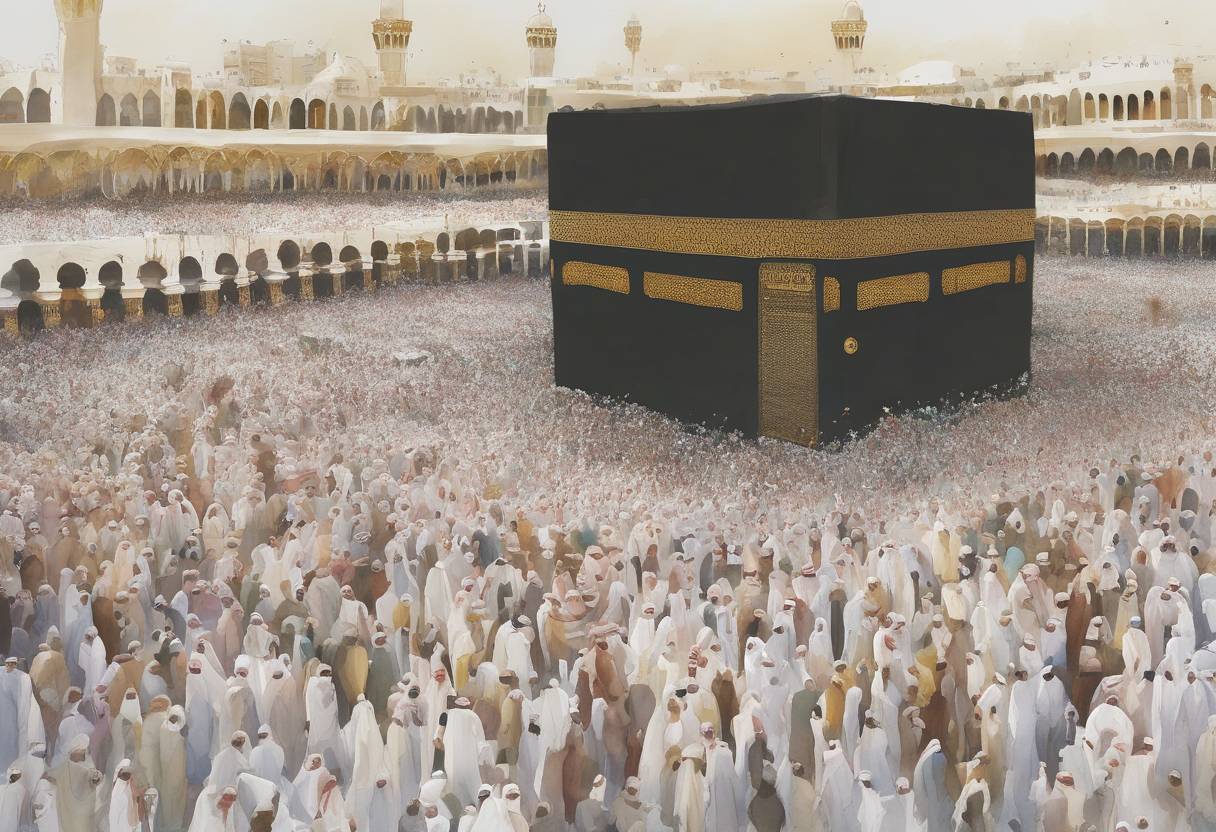
On September 24, 2015, a tragic stampede occurred during the annual Hajj pilgrimage in Mina, near Mecca, Saudi Arabia. This incident resulted in the deaths of over 2,000 pilgrims, marking it as one of the deadliest events in the history of the Hajj pilgrimage.
The Hajj is an annual Islamic pilgrimage to Mecca, and it is one of the largest religious gatherings in the world. It is a mandatory religious duty for Muslims that must be carried out at least once in their lifetime by all adult Muslims who are physically and financially capable of undertaking the journey. The pilgrimage occurs from the 8th to the 12th of Dhu al-Hijjah, the last month of the Islamic calendar.
Mina, a neighborhood of Mecca, is a significant site during the Hajj. It is where pilgrims perform the “Stoning of the Devil” ritual, which involves throwing pebbles at three walls (formerly pillars), symbolizing the rejection of evil.
The stampede occurred on the morning of September 24, 2015, at an intersection in Mina where two large groups of pilgrims converged. The exact cause of the stampede remains unclear, but it is believed that overcrowding and the convergence of two large groups of pilgrims moving in opposite directions contributed to the chaos.
The Saudi authorities reported that the incident took place at the intersection of Street 204 and Street 223, two main roads leading to the Jamarat Bridge, where the stoning ritual is performed. The stampede resulted in the deaths of at least 2,411 people, according to various reports, although the official Saudi toll was lower. Many others were injured in the crush.
The 2015 stampede led to widespread international criticism and calls for improved safety measures during the Hajj. The Saudi government faced scrutiny over its handling of the pilgrimage and the safety protocols in place. In response, Saudi authorities announced plans to improve crowd management and infrastructure to prevent future tragedies.
The incident also strained diplomatic relations between Saudi Arabia and several countries, particularly Iran, which lost a significant number of its citizens in the stampede. Iran accused Saudi Arabia of mismanagement and negligence, leading to heightened tensions between the two nations.
The 2015 stampede highlighted the challenges of managing one of the world’s largest religious gatherings. It underscored the need for effective crowd control measures and the importance of international cooperation in ensuring the safety of pilgrims from around the world.
The tragedy remains a somber reminder of the potential dangers associated with mass gatherings and the critical importance of safety and preparedness in such events. The incident has since prompted ongoing discussions about the logistics and management of the Hajj pilgrimage to prevent similar occurrences in the future.
Source: www.bbc.com