Papal Bull 'Sublimis Deus' - June 2, 1537
1537 · Rome, Italy
Pope Paul III issued the papal bull 'Sublimis Deus,' which declared that Indigenous peoples of the Americas were rational beings with souls and should not be enslaved.
May 13, 1497
Pope Alexander VI issued the papal bull 'Inter caetera,' which granted Spain the rights to colonize the New World, a significant event in the Age of Exploration.
Rome, Papal States | Catholic Church
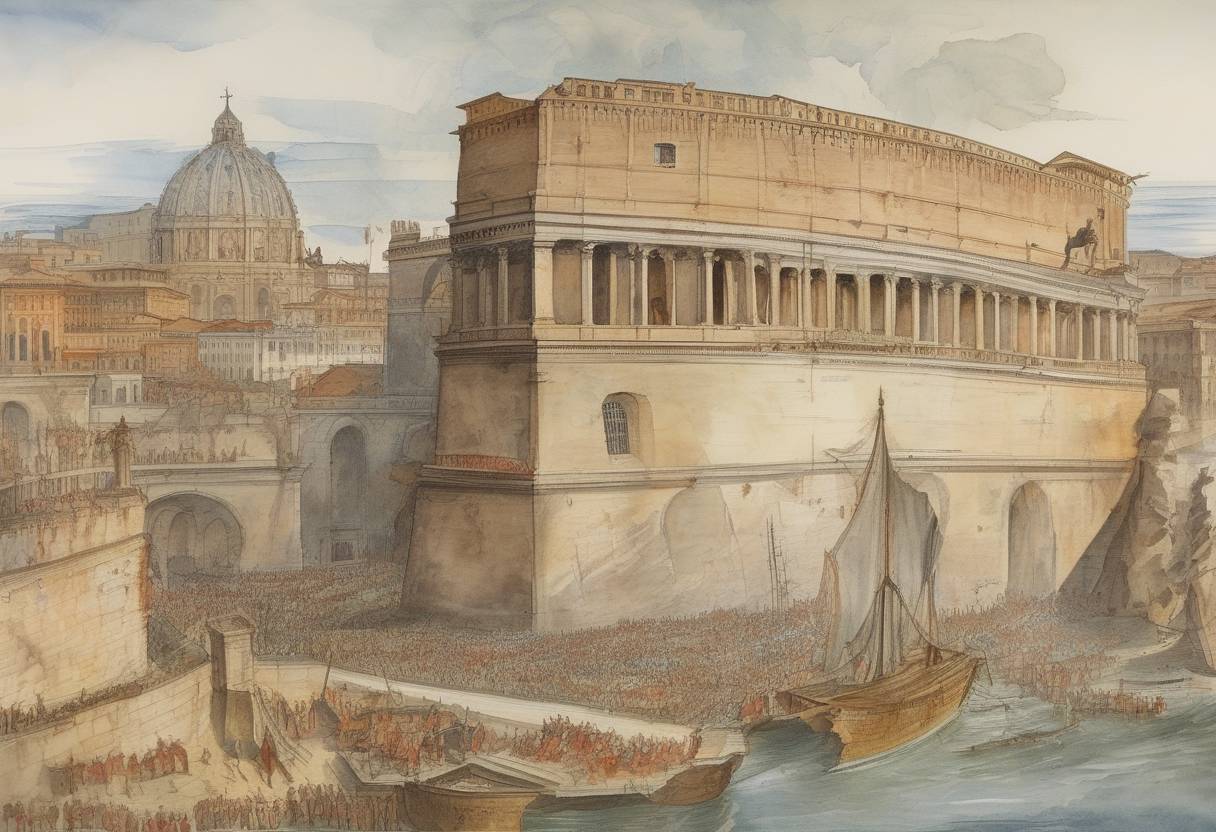
On May 4, 1493, Pope Alexander VI issued the papal bull Inter caetera, a significant document in the history of European colonization of the Americas. Although you mentioned the date as May 13, 1497, the correct issuance date is May 4, 1493. This papal bull played a crucial role in the Age of Exploration by granting Spain the rights to colonize newly discovered lands in the New World.
The late 15th century was a period of intense exploration, driven by European powers seeking new trade routes and territories. Christopher Columbus’s first voyage in 1492, sponsored by Spain, resulted in the European discovery of the Americas. This discovery prompted a need to delineate control over these new lands to prevent conflict between Spain and Portugal, two dominant maritime powers of the time.
Inter caetera was one of several bulls issued by Pope Alexander VI to address the territorial claims of Spain and Portugal. The key provisions of this bull included:
The issuance of Inter caetera had profound implications:
Inter caetera and the Treaty of Tordesillas exemplify the European mindset of the time, characterized by a belief in the right to claim and control foreign lands. These documents laid the groundwork for centuries of European colonialism, shaping the geopolitical landscape of the Americas and influencing global history.
In summary, the papal bull Inter caetera was a pivotal document in the Age of Exploration, granting Spain the authority to expand its empire in the New World and setting the stage for the extensive European colonization that followed.
Source: en.wikipedia.org