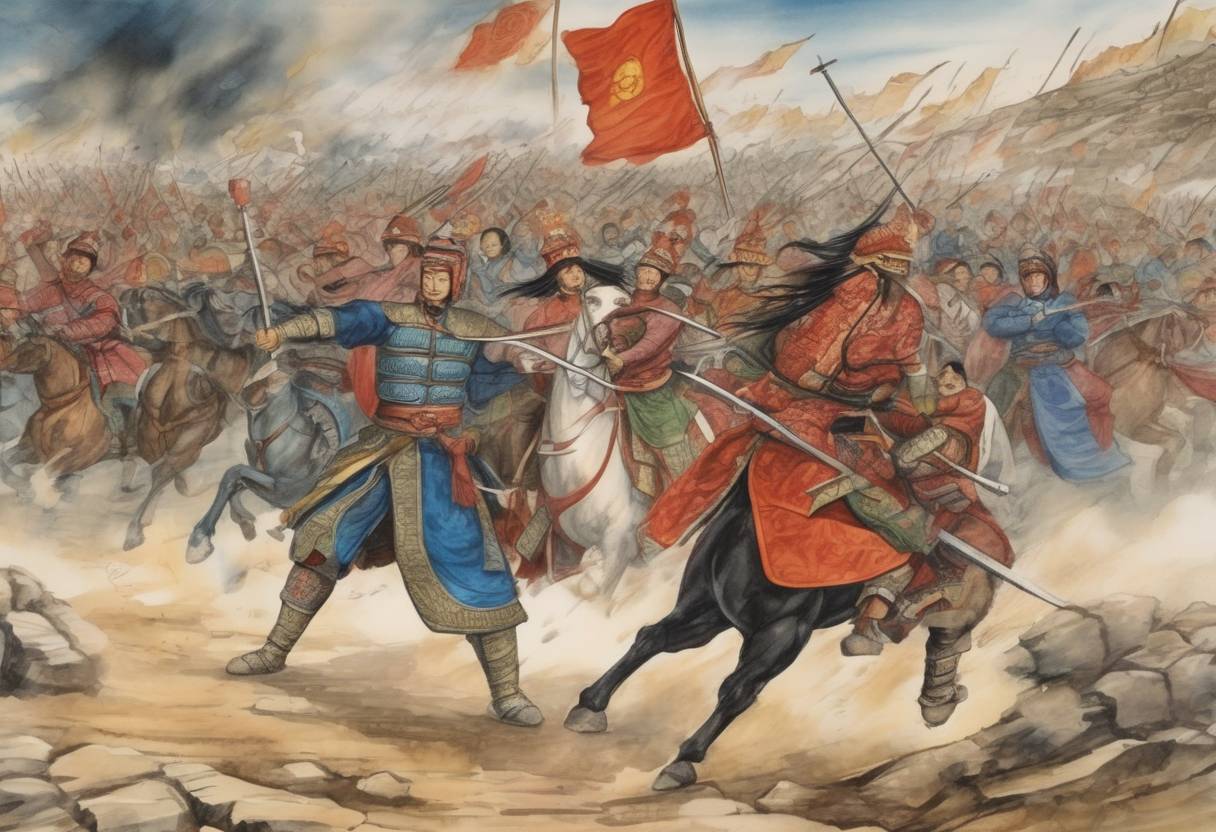
The Tibetan Empire’s Attack on Chang’an - November 12, 764
On November 12, 764, the Tibetan Empire, under the leadership of Emperor Trisong Detsen, launched a significant military campaign against the Tang dynasty, culminating in the brief occupation of Chang’an, the Tang capital, known today as Xi’an. This event marked a pivotal moment in the Tibetan Empire’s history and its interactions with China.
Historical Context
The Tibetan Empire
- Trisong Detsen: Reigning from 755 to 797, Trisong Detsen was one of the most influential emperors of the Tibetan Empire. His reign is noted for the expansion of Tibetan influence and the promotion of Buddhism.
- Expansionist Policies: Under Trisong Detsen, the Tibetan Empire sought to expand its territories and influence, often clashing with neighboring states, including the Tang dynasty.
The Tang Dynasty
- An Lushan Rebellion (755-763): A devastating rebellion led by the general An Lushan severely weakened the Tang dynasty. The rebellion resulted in massive loss of life and destabilized the Tang government, leaving it vulnerable to external threats.
- Post-Rebellion Vulnerability: By 764, the Tang dynasty was still recovering from the rebellion’s aftermath, making it susceptible to incursions by neighboring powers like the Tibetan Empire.
The Attack on Chang’an
- Strategic Opportunity: The weakened state of the Tang dynasty post-rebellion presented an opportunity for the Tibetan Empire to assert its power and influence in the region.
- Occupation of Chang’an: On November 12, 764, Tibetan forces successfully captured Chang’an. This occupation, although brief, demonstrated the military prowess of the Tibetan Empire and highlighted the vulnerabilities of the Tang dynasty during this period.
Aftermath and Significance
- Short-lived Occupation: The Tibetan occupation of Chang’an did not last long, as Tang forces eventually managed to reclaim the city. However, the event underscored the shifting power dynamics in East Asia during the 8th century.
- Impact on Sino-Tibetan Relations: The attack strained relations between the Tibetan Empire and the Tang dynasty, leading to further military confrontations and diplomatic negotiations in subsequent years.
- Legacy of Trisong Detsen: The successful raid on Chang’an solidified Trisong Detsen’s reputation as a formidable leader and military strategist, contributing to his legacy as one of Tibet’s greatest emperors.
Broader Historical Significance
The Tibetan Empire’s brief occupation of Chang’an in 764 is a testament to the complex interplay of power, politics, and military strategy in medieval Asia. It highlights the Tibetan Empire’s role as a significant regional power and its impact on the historical trajectory of the Tang dynasty. This event also illustrates the broader theme of how internal strife, such as the An Lushan Rebellion, can create opportunities for external forces to exert influence and alter the course of history.