Manuel Noriega's Surrender to U.S. Forces on January 3, 1990
1990 · Panama City, Panama
Former leader of Panama, Manuel Noriega, surrendered to U.S. forces.
February 5, 1988
The Panamanian leader Manuel Noriega is indicted on drug trafficking charges by a U.S. federal grand jury.
Miami, United States | U.S. federal court
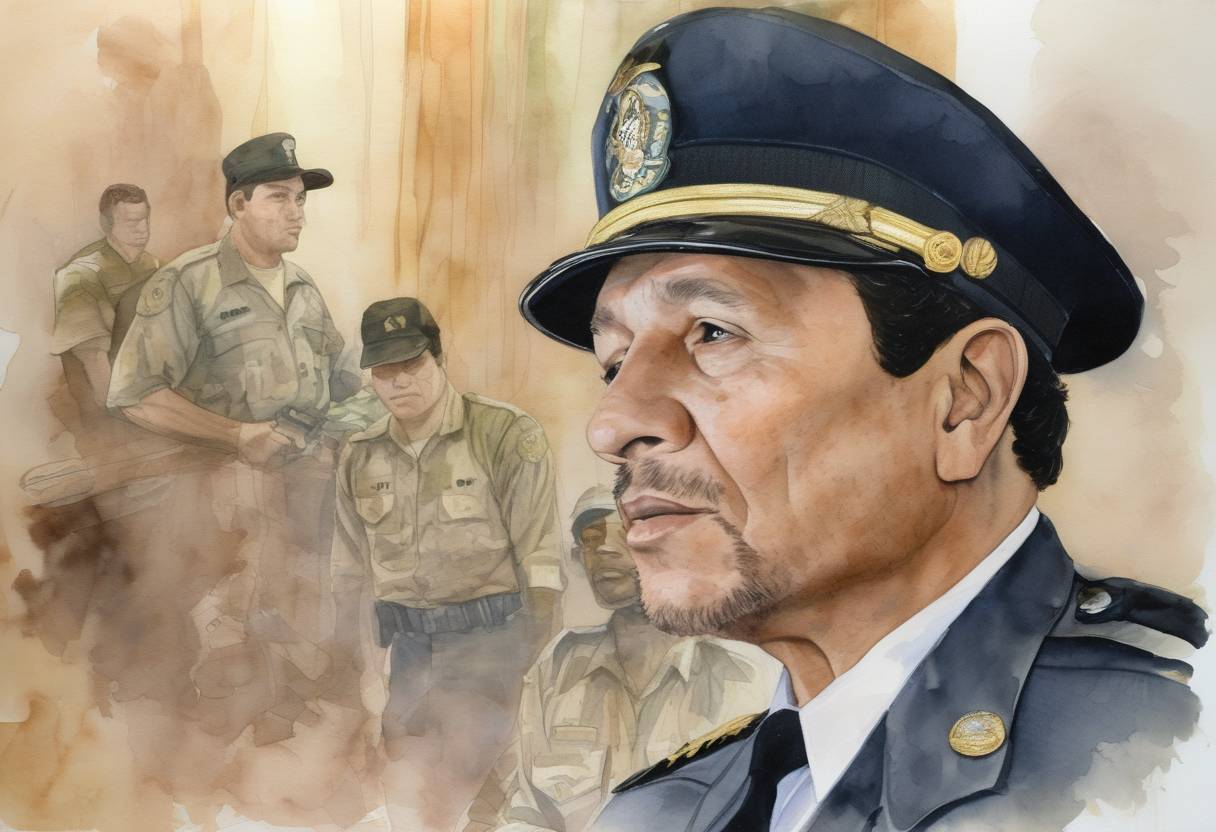
On February 5, 1988, a significant event unfolded in the realm of international politics and law enforcement when Manuel Noriega, the military leader of Panama, was indicted by a U.S. federal grand jury on charges of drug trafficking. This indictment marked a pivotal moment in U.S.-Panama relations and had far-reaching implications for both countries.
Manuel Noriega rose to power in Panama in the early 1980s, becoming the de facto leader of the country. He had a complex relationship with the United States, having been a valuable ally and informant for the Central Intelligence Agency (CIA) during the Cold War. However, his involvement in illicit activities, particularly drug trafficking, increasingly strained this relationship.
Allegations of Drug Trafficking: Throughout the 1980s, Noriega was accused of facilitating the trafficking of cocaine through Panama, working closely with the Medellín Cartel. These activities were reportedly conducted in exchange for financial kickbacks, which bolstered his regime.
U.S. Investigations: The U.S. Drug Enforcement Administration (DEA) and other federal agencies conducted extensive investigations into Noriega’s activities. Evidence gathered included testimonies from cartel members and intercepted communications.
Political Pressure: By the mid-1980s, Noriega’s actions had become a significant embarrassment for the U.S. government, leading to increased political pressure to take action against him.
On February 5, 1988, a federal grand jury in Miami, Florida, indicted Noriega on charges that included:
The indictment accused Noriega of turning Panama into a “safe haven” for drug traffickers and using his position to protect and facilitate the operations of the Medellín Cartel.
U.S.-Panama Relations: The indictment severely damaged U.S.-Panama relations, leading to increased tensions and a breakdown in diplomatic communications.
Operation Just Cause: In December 1989, the United States launched a military invasion of Panama, known as Operation Just Cause, with the primary objective of capturing Noriega. He was eventually apprehended and brought to the United States to stand trial.
Trial and Conviction: In 1992, Noriega was convicted on eight counts of drug trafficking, racketeering, and money laundering. He was sentenced to 40 years in prison, later reduced to 30 years.
Legacy: The indictment and subsequent events highlighted the complexities of international relations and the challenges of combating drug trafficking on a global scale. Noriega’s case remains a significant example of the intersection between politics, crime, and international law.
The indictment of Manuel Noriega was a landmark event that underscored the United States’ commitment to addressing international drug trafficking, even when it involved former allies. It also set a precedent for how nations might deal with leaders accused of criminal activities beyond their borders.
Source: en.wikipedia.org